
Mastering the MRSO Test: Your Complete Guide to Becoming a Certified Magnetic Resonance Safety Officer
Pass the Mastering the MRSO exam with confidence. 🆕 Practice questions with detailed explanations and instant feedback on every answer.

The Magnetic Resonance Safety Officer (MRSO) Test is a critical certification for professionals responsible for ensuring the safe operation of MRI facilities. Administered by the American Board of Magnetic Resonance Safety (ABMRS), this exam validates an individual's understanding of magnetic resonance (MR) physics, safety principles, and emergency response procedures in an MRI environment.
For those seeking to enhance their professional credentials in the field of MRI safety, preparing for the MRSO Test is a vital step. With the right study materials, you can build the confidence and knowledge necessary to achieve certification.
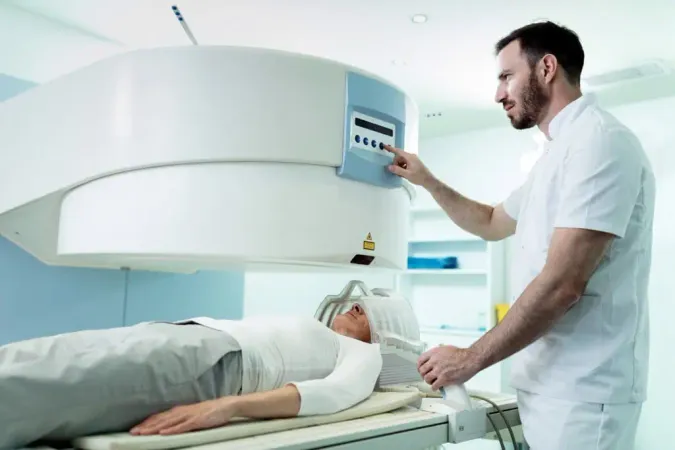
What Is the MRSO Test?
The MRSO Test is designed to evaluate the competence of professionals who manage MRI safety in clinical and research settings. These individuals play a crucial role in preventing accidents related to magnetic fields, contrast agents, and equipment handling.
The test covers several areas including MR physics, biological effects, device safety, and emergency procedures. Candidates are expected to demonstrate comprehensive knowledge of MRI technology and its associated risks, ensuring that all staff and patients are protected in high-field magnetic environments.
The Blog exam uses a multiple-choice format with questions covering all major domains. Most versions allow 2-3 hours for completion.
Questions test both knowledge recall and application skills. A score of 70-75% is typically required to pass.
Why Certification Matters
Achieving MRSO certification demonstrates your commitment to maintaining safety and compliance within MRI facilities. The certification also strengthens your professional profile, increasing your employability and credibility.
Many healthcare organizations now require an MRSO to oversee MRI operations as part of their compliance with Joint Commission and state regulations. Being certified allows you to confidently handle safety audits, staff training, and risk management procedures related to magnetic resonance technology.
Blog Key Concepts
What is the passing score for the Blog exam?
Most Blog exams require 70-75% to pass. Check the official exam guide for exact requirements.
How long is the Blog exam?
The Blog exam typically allows 2-3 hours. Time management is critical for success.
How should I prepare for the Blog exam?
Start with a diagnostic test, create a 4-8 week study plan, and take at least 3 full practice exams.
What topics does the Blog exam cover?
The Blog exam covers multiple domains. Review the official content outline for the complete list.
How to Prepare for the MRSO Test
A structured study plan is essential to passing the exam. You can begin by reviewing MR physics fundamentals, reading MRI safety guidelines from the American College of Radiology (ACR), and practicing with online tests.
Using reputable study materials such as practice tests and structured question banks can significantly improve your retention and familiarity with test concepts.
Here are a few preparation tips:
Review the ABMRS Exam Blueprint:
Understand which topics are weighted more heavily so you can focus your study time effectively.Take Practice Exams Regularly:
Using free MRSO exam questions is one of the best ways to assess your readiness. These simulate the actual test format and difficulty level.
Study MRI Physics and Safety Literature:
Familiarize yourself with safety manuals and resources from the National Institutes of Health (NIH) and the U.S. Food and Drug Administration (FDA) for updated safety guidelines.
Join Study Groups or Webinars:
Learning from peers can help clarify complex MRI safety concepts and expose you to new test strategies.
Eligibility and Exam Format
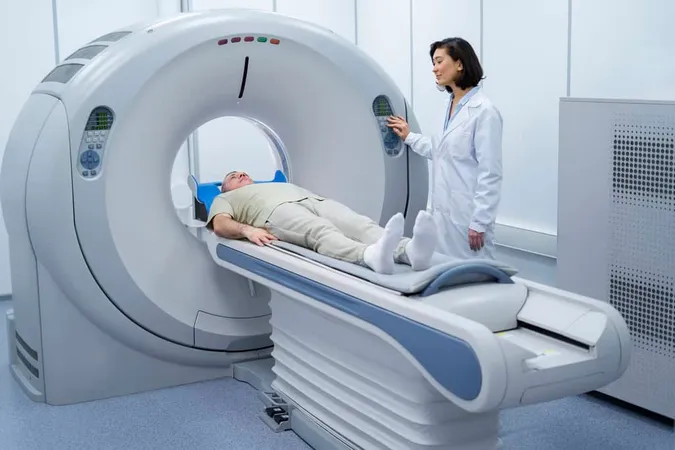
To be eligible for the MRSO Test, candidates typically must have experience in an MRI-related role, such as an MRI technologist, physicist, radiologist, or healthcare professional responsible for MRI operations.
The exam itself consists of multiple-choice questions covering several key areas, including:
Magnetic field safety principles
Implant and device safety
Contrast agent use and reactions
Zoning and screening protocols
Emergency response procedures
Static, gradient, and RF field interactions
The test duration is approximately two hours, and it is administered in approved testing centers or remotely through proctored online platforms.
Key Areas of Focus
To effectively prepare for the MRSO Test, focus on the following major content domains:
Static Magnetic Fields: Understand the behavior of ferromagnetic materials and projectiles within the MRI environment.
Gradient Magnetic Fields: Learn about acoustic noise, nerve stimulation, and patient comfort.
Radiofrequency Fields: Study RF heating, SAR limits, and mitigation techniques.
Implant Safety: Analyze MR conditional labeling and patient screening for implants or devices.
Contrast Safety: Recognize the proper use of gadolinium-based contrast agents and manage potential allergic reactions.
Emergency Preparedness: Develop knowledge of emergency shutdowns, fire safety, and evacuation protocols.
Helpful Resources
To reinforce your knowledge, supplement your study with online guides and mock exams. Platforms provide accessible tools and materials tailored to the MRSO Test, including detailed explanations for each question and performance tracking.
You can also explore related test resources such as:
MRI Practice Test – Enhance your understanding of MRI physics and safety.
ABMRS official study guides and webinars.
MRI safety case studies and incident analyses.
Exam Day Tips
On the day of your test, ensure you:
Arrive early or log in ahead of time if testing online.
Bring valid identification and necessary documentation.
Stay calm, read each question carefully, and use the process of elimination.
Manage your time efficiently; don’t dwell too long on one question.
Remember that practical experience in an MRI environment will also reinforce your theoretical knowledge, helping you make informed decisions during the test.
Career Benefits
Becoming a certified MRSO offers numerous professional advantages, including:
Enhanced credibility and recognition within the MRI community.
Increased job opportunities and potential for higher salaries.
Leadership roles in MRI facility management.
The ability to conduct safety audits, train staff, and enforce MRI safety regulations.
Healthcare institutions value certified MRSOs as essential contributors to maintaining patient safety, staff training, and regulatory compliance.
Conclusion
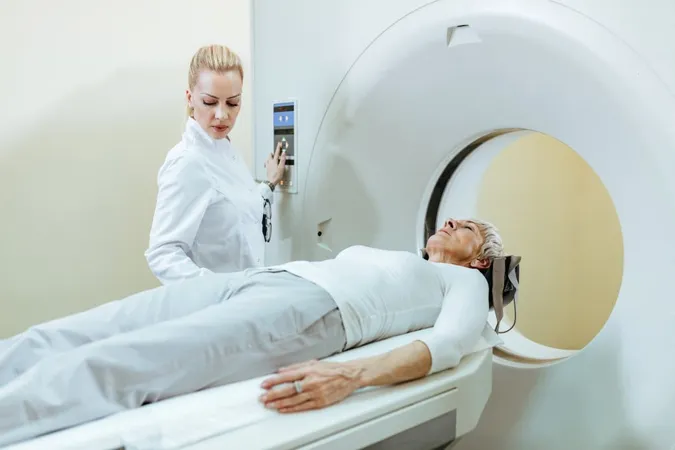
The MRSO Test is an essential step for professionals dedicated to maintaining safety in MRI environments. By mastering the topics of MR physics, safety protocols, and emergency procedures, you can demonstrate your expertise and protect both patients and staff from potential risks.
Utilize reliable practice tests and resources to build a solid foundation before your exam day.
With focused preparation, hands-on practice, and a commitment to learning, you can confidently pass the MRSO Test and establish yourself as a trusted Magnetic Resonance Safety Officer.
- +Industry-recognized credential boosts your resume
- +Higher earning potential (10-20% salary increase on average)
- +Demonstrates commitment to professional development
- +Opens doors to advanced career opportunities
- −Exam preparation requires significant time investment (4-8 weeks)
- −Certification fees can be $100-$400+
- −May require continuing education to maintain
- −Some employers may not require certification
MRSO Test 2026 Practice Exam Questions and Answers
About the Author

Commercial Pilot & FAA Certification Specialist
Embry-Riddle Aeronautical UniversityCaptain Jennifer Walsh graduated with honors in Aerospace Engineering from Embry-Riddle Aeronautical University and holds FAA Airframe & Powerplant and Airline Transport Pilot certificates. With 11 years of commercial aviation experience and 6 years as a ground school instructor, she guides aviation mechanics and student pilots through FAA written exams and practical tests.