
Manual Muscle Testing Grades: 7 Essential Tips to Know 2026 September
Free Manual Muscle practice test with questions and answer explanations. Prepare for the 2026 September exam with instant scoring. 🧠

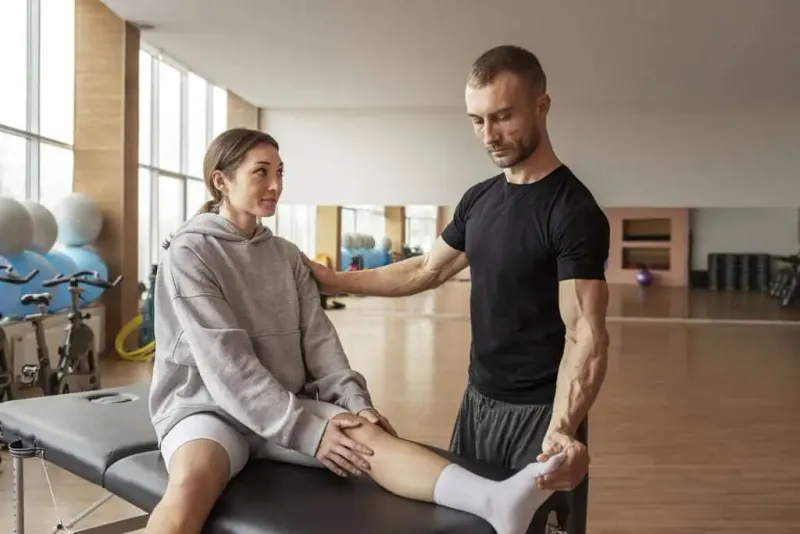
Manual muscle testing (MMT) stands as a cornerstone assessment technique in physical therapy, occupational therapy, and rehabilitation medicine. Understanding manual muscle testing grades is essential for healthcare professionals who need to accurately evaluate muscle strength and track patient progress over time. This comprehensive guide explores seven critical tips that will enhance your understanding of MMT grading systems, improve your assessment accuracy, and help you interpret results with confidence. Whether you're a student preparing for certification exams or a practicing clinician looking to refine your skills, mastering these fundamental concepts will elevate your clinical competence and patient care outcomes.
MMT Practice Test Questions
Prepare for the MMT - Manual Muscle Testing exam with our free practice test modules. Each quiz covers key topics to help you pass on your first try.
MMT Basics and Principles
MMT Exam Questions covering Basics and Principles. Master MMT Test concepts for certification prep.
MMT Clinical Applications
Free MMT Practice Test featuring Clinical Applications. Improve your MMT Exam score with mock test prep.
MMT Clinical Documentation
MMT Mock Exam on Clinical Documentation. MMT Study Guide questions to pass on your first try.
MMT Grading Systems
MMT Test Prep for Grading Systems. Practice MMT Quiz questions and boost your score.
MMT Limitations and Considerations
MMT Questions and Answers on Limitations and Considerations. Free MMT practice for exam readiness.
MMT Lower Extremity Testing
MMT Mock Test covering Lower Extremity Testing. Online MMT Test practice with instant feedback.
MMT Patient Positioning
Free MMT Quiz on Patient Positioning. MMT Exam prep questions with detailed explanations.
MMT Special Considerations
MMT Practice Questions for Special Considerations. Build confidence for your MMT certification exam.
MMT Techniques and Procedures
MMT Test Online for Techniques and Procedures. Free practice with instant results and feedback.
MMT Testing Procedures
MMT Study Material on Testing Procedures. Prepare effectively with real exam-style questions.
- ✓Confirm your exam appointment and location
- ✓Bring required identification documents
- ✓Arrive 30 minutes early to check in
- ✓Read each question carefully before answering
- ✓Flag difficult questions and return to them later
- ✓Manage your time — don't spend too long on one question
- ✓Review flagged questions before submitting
MMT: Pros and Cons
- +MMT exam preparation strengthens your knowledge across all domains
- +Passing the exam proves competency to employers and clients
- +Study materials and practice tests are widely available
- +Exam-based credentials are portable across states and employers
- +Clear exam objectives help focus your study plan effectively
- −Exam anxiety can affect performance — practice tests help reduce it
- −Registration fees are non-refundable if you miss your test date
- −Limited retake opportunities may apply with waiting periods
- −Exam content updates periodically — use current study materials
- −Testing center availability may require advance scheduling
(MMT) Manual Muscle Testing Questions and Answers

Conclusion
Mastering manual muscle testing grades represents a fundamental competency for healthcare professionals involved in rehabilitation and musculoskeletal assessment. These seven essential tips provide a comprehensive framework for understanding MMT grading systems, from basic grade definitions to complex scoring methodologies and clinical applications. Success in MMT requires continuous practice, regular calibration with colleagues, and commitment to standardized protocols that ensure reliable measurements across different examiners and settings.
As you develop your MMT skills, remember that grades are clinical tools meant to inform decision-making rather than rigid classifications. Consider each patient's unique presentation, incorporate MMT results with other assessment findings, and use grades to guide goal-setting and intervention planning. Whether you're assessing neurological recovery, documenting orthopedic rehabilitation progress, or screening for neuromuscular disease, accurate manual muscle testing provides invaluable information that directly impacts patient care quality and outcomes. Continue refining your technique through ongoing education, peer review, and reflective practice to maintain the highest standards of clinical excellence.

About the Author

Certified Professional Development Expert & Niche Certification Advisor
University of Pennsylvania Graduate School of EducationDr. Alexandra Kim holds a PhD in Professional Studies from the University of Pennsylvania and is a Certified Professional in Learning and Performance (CPLP) and Certified Professional in Talent Development (CPTD). With 17 years of corporate training and professional certification advisory experience, she helps professionals navigate specialized, emerging, and cross-industry certification programs.
Join the Discussion
Connect with other students preparing for this exam. Share tips, ask questions, and get advice from people who have been there.
View discussion (8 replies)