
LPN Programs NYC: Best Schools, Cost, and How to Apply 2026 September
❓ Find LPN programs in NYC with tuition from $8,000 to $25,000. Compare top schools in Manhattan, Brooklyn, Queens, and the Bronx. Admission requirements...

LPN Programs in NYC: Your Complete Guide
If you're searching for LPN programmes in New York City, you're looking at one of the most active nursing job markets in the country combined with one of the densest concentrations of training options. But that abundance of choices creates its own challenge: with dozens of programmes available across all five boroughs — from affordable CUNY community colleges to expensive private schools to aggressive for-profit marketers — knowing which programme to choose can feel overwhelming.
The difference between a strong programme and a weak one isn't just academic; it determines whether you pass the NCLEX, get hired quickly, and start your nursing career on solid ground or waste a year and thousands of dollars on training that doesn't prepare you.
New York City has one of the strongest job markets for Licensed Practical Nurses in the country — and dozens of LPN programmes across all five boroughs to train you for it. Between the city's massive hospital systems (NYC Health + Hospitals, Mount Sinai, NYU Langone, NewYork-Presbyterian), its network of nursing homes, home health agencies, and outpatient clinics, demand for LPNs in the New York metro area consistently outpaces supply.
For anyone looking to enter nursing through a practical, affordable, and relatively fast pathway, LPN programmes in NYC offer a direct route to a career that starts paying within 12–18 months of enrolment.
LPN programmes train you to provide basic nursing care under the supervision of registered nurses and physicians — taking vital signs, administering medications, changing dressings, assisting with personal care, monitoring patient conditions, and documenting in medical records. The training combines classroom instruction in anatomy, pharmacology, and nursing fundamentals with supervised clinical rotations in hospitals, long-term care facilities, and community health settings. After completing the programme, you take the NCLEX-PN licensing exam to become a Licensed Practical Nurse in New York State.
NYC's LPN programme landscape includes community colleges (CUNY schools), private vocational schools, and proprietary nursing schools — each with different tuition costs, programme lengths, and admission requirements. Tuition ranges from roughly $8,000 at CUNY community colleges to $25,000+ at private schools, so choosing the right programme involves balancing cost, schedule flexibility, clinical placement quality, and NCLEX pass rates. This guide compares the options, explains what to look for, and walks through the application process.
One thing worth knowing upfront: not all LPN programmes are created equal, and NYC has historically had some programmes with poor outcomes — low NCLEX pass rates, high attrition, and graduates who struggled to find employment. The quality indicators this guide highlights (NCLEX pass rate, clinical placement partnerships, accreditation status) help you distinguish strong programmes from ones that take your tuition money without adequately preparing you for the licensing exam or the job market.
- Programme length: 10–18 months (full-time); some part-time programmes take up to 24 months
- Tuition range: $8,000–$25,000+ depending on school type (CUNY community colleges are cheapest; private schools cost more)
- Admission requirements: High school diploma or GED, entrance exam (TEAS or equivalent), background check, immunisation records
- Clinical hours: Programmes include supervised clinical rotations at NYC hospitals, nursing homes, and clinics
- Licensing: After graduation, pass the NCLEX-PN exam to become licensed in New York State
- Average NYC LPN salary: $55,000–$65,000 per year (higher than the national average due to NYC cost of living)
- Job outlook: Strong demand in long-term care, home health, outpatient clinics, and physician offices throughout the NYC metro area
How to Become an LPN in NYC: Step by Step
Step 1: Choose an LPN Programme
Step 2: Meet Admission Requirements
Step 3: Apply and Enrol
Step 4: Complete the Programme
Step 5: Pass the NCLEX-PN and Get Licensed
Types of LPN Programmes in NYC
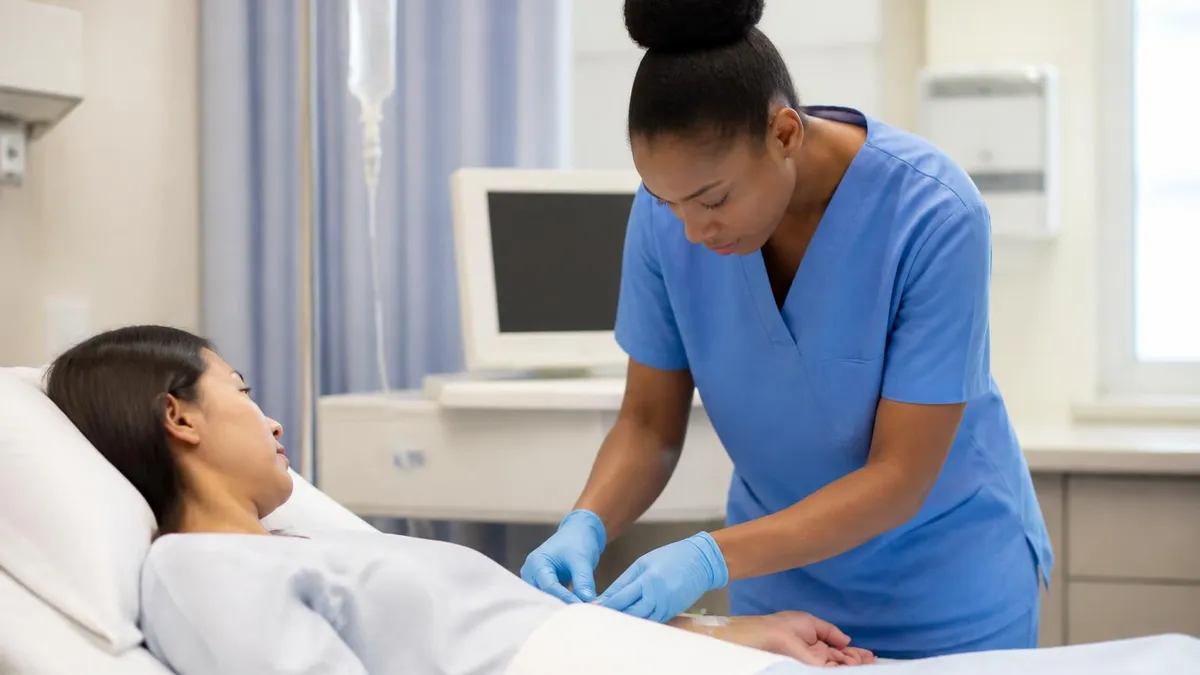
NYC offers three main types of LPN programmes, each with distinct advantages and trade-offs. Understanding the differences helps you choose the programme that best fits your budget, schedule, and learning style.
CUNY community college LPN programmes are the most affordable option. Schools like LaGuardia Community College, Borough of Manhattan Community College, and Bronx Community College offer LPN programmes with tuition around $8,000–$12,000 for in-city residents. CUNY schools are accredited, have established clinical placement partnerships with NYC hospitals, and their NCLEX pass rates are generally competitive. The trade-off is competitiveness — CUNY programmes have limited seats and long waiting lists because of their low cost and strong reputation. Applying to multiple CUNY schools increases your chances.
Private vocational and technical schools offer LPN programmes with more flexible scheduling — evening and weekend options are more common at private schools. Tuition is higher ($15,000–$25,000+), but many private schools accept students year-round through rolling admissions, meaning you don't have to wait for a specific semester start date. Some private schools have strong clinical partnerships and good NCLEX pass rates, while others have weak outcomes. Research each school's NCLEX pass rate before enrolling — this is the most important quality differentiator.
Proprietary nursing schools are for-profit institutions that market aggressively to prospective nursing students. Some are legitimate and produce competent graduates; others have historically had low NCLEX pass rates, high student debt loads, and poor employment outcomes. Before enrolling in any proprietary school, verify their NCLEX pass rate (publicly available from NYSED), check whether their credits transfer to RN programmes (many don't), and read reviews from recent graduates. The New York State Education Department's website lists approved nursing programmes — if a school isn't on the list, don't enrol.
LPN Programme Quality Indicators
The NCLEX-PN pass rate tells you what percentage of a programme's graduates pass the licensing exam on their first attempt. NYSED publishes pass rates for all approved nursing programmes in New York. Look for programmes with 80%+ first-attempt pass rates — the national average is around 85%. A programme with a pass rate below 70% is a serious warning sign: it means nearly a third of graduates can't pass the exam and can't work as LPNs despite completing the programme and paying full tuition.
Every legitimate LPN programme in New York must be approved by the New York State Education Department (NYSED). Approval means the programme meets the state's minimum standards for curriculum, faculty qualifications, clinical hours, and student outcomes. Some programmes also hold national accreditation from ACEN (Accreditation Commission for Education in Nursing). While ACEN accreditation isn't required for LPN programmes, it's an additional quality signal and may matter if you plan to pursue RN education later.
Where you do your clinical rotations matters for both your education and your job prospects. Programmes with clinical placements at reputable NYC hospitals (NYC Health + Hospitals, Mount Sinai, NYU Langone) provide higher-quality clinical experiences and networking opportunities than programmes that place students exclusively in nursing homes. Ask each programme where their clinical rotations take place, how many clinical hours are included, and what the student-to-instructor ratio is during clinicals.
Ask programmes what percentage of their graduates find LPN employment within 6 months of passing the NCLEX. Strong programmes track this data and share it with prospective students. A programme that can't tell you their employment rate — or that admits they don't track it — may not be invested in their students' career outcomes beyond graduation. NYC's LPN job market is strong, so a programme with a high NCLEX pass rate should produce graduates who find work quickly.
LPN Programme Costs and Financial Aid in NYC
LPN programme costs in NYC vary significantly by school type:
- CUNY community colleges: $8,000–$12,000 total tuition for in-city residents. NYC residents qualify for reduced tuition. Additional costs include textbooks ($500–$800), uniforms ($100–$200), clinical supplies, and NCLEX exam fees
- Private vocational schools: $15,000–$20,000 total tuition. May include some materials in the tuition cost. Payment plans are typically available
- Proprietary schools: $18,000–$25,000+ total tuition. Often the most expensive option — compare carefully against outcomes (NCLEX pass rates) before choosing a proprietary school over a cheaper CUNY programme with better results
- Additional costs: Background check ($50–$100), CPR/BLS certification ($50–$85), immunisation records and physical exam ($100–$300), nursing licence application fee ($143 in New York), NCLEX-PN exam fee ($200)
LPN Salary and Job Market in NYC
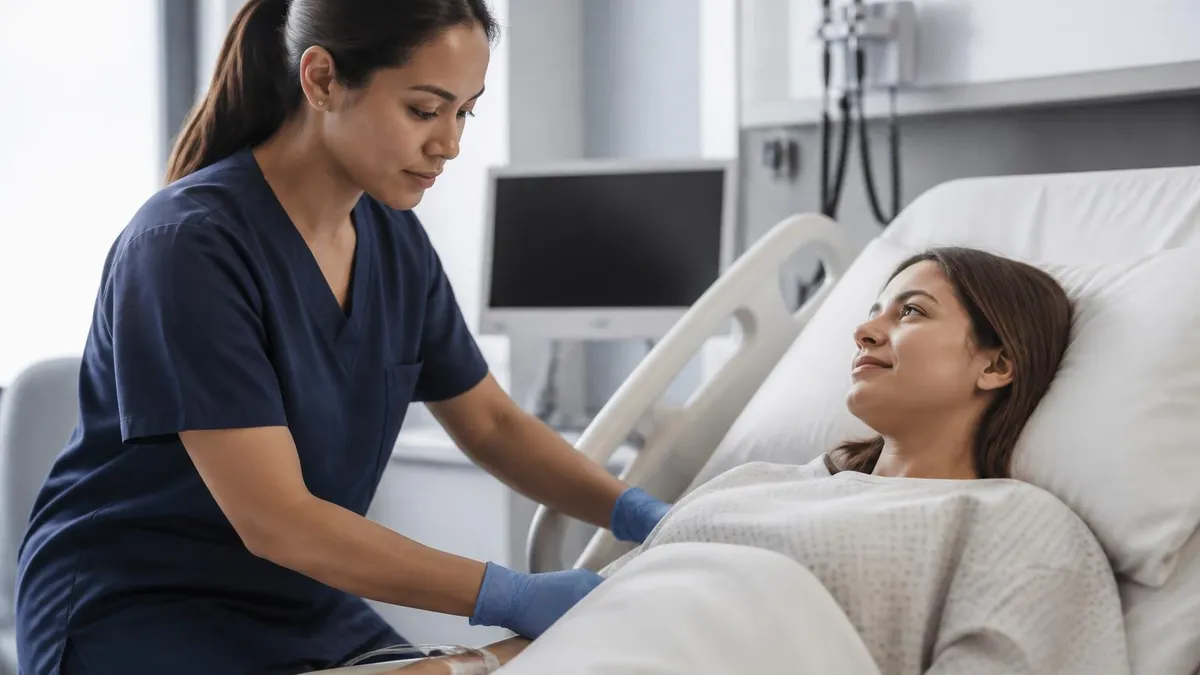
Licensed Practical Nurses in New York City earn more than the national average — reflecting the city's higher cost of living and strong demand for nursing staff. According to Bureau of Labor Statistics data and NYC-specific salary surveys, LPNs in the New York metropolitan area earn $55,000–$65,000 per year on average, with experienced LPNs in specialised settings earning $70,000+. Entry-level LPN positions typically start around $45,000–$50,000.
The strongest job market for LPNs in NYC is in long-term care and skilled nursing facilities — these facilities employ the largest number of LPNs in the metro area. Home health agencies represent the second-largest employer, with growing demand driven by the aging population and the preference for home-based care. Outpatient clinics, physician offices, urgent care centres, and rehabilitation facilities also employ LPNs, though hospitals have increasingly shifted to hiring RNs for inpatient care, reducing hospital-based LPN positions in recent years.
NYC's five boroughs offer different employment landscapes. Manhattan has the highest concentration of hospitals and outpatient clinics but also the most competition for positions. Brooklyn and Queens have extensive networks of nursing homes, home health agencies, and community health centres that employ large numbers of LPNs. The Bronx has significant healthcare infrastructure serving its community, including multiple hospitals and long-term care facilities. Staten Island has a smaller but still active LPN job market.
Unionised LPN positions in NYC — particularly at NYC Health + Hospitals facilities and some private hospitals — offer higher wages, better benefits, and stronger job protections than non-union positions. Union LPNs can earn $60,000–$75,000+ with benefits that include health insurance, pension contributions, and paid time off. The 1199SEIU union represents many LPNs in NYC healthcare facilities.
Overtime opportunities are widely available for NYC LPNs, particularly in long-term care and home health settings that frequently have open shifts. LPNs willing to work evening, night, or weekend shifts — which many NYC healthcare facilities struggle to fill — often earn shift differentials of $2–$5 per hour above their base rate. With overtime and shift differentials, an LPN's take-home pay can exceed the base salary figures by 15–25%, making the actual earning potential stronger than the base numbers suggest.
Choosing an LPN Programme in NYC: What to Check
- ✓Verify NYSED approval — check the New York State Education Department website for the official list of approved practical nursing programmes
- ✓Look up the programme's NCLEX-PN pass rate — aim for programmes with 80%+ first-attempt pass rates. Below 70% is a red flag
- ✓Compare tuition costs across programme types — CUNY schools are cheapest, but consider total cost including books, uniforms, exams, and licensing fees
- ✓Ask about clinical placement sites — programmes with hospital clinical rotations provide broader experience than those limited to nursing homes
- ✓Check class schedules — if you need to work while studying, look for evening or weekend programme options
- ✓Ask about LPN-to-RN pathways — if you plan to advance to RN later, confirm that the programme's credits transfer to associate degree nursing programmes
- ✓Read reviews from current students and recent graduates — search the school name plus 'reviews' on Google, Yelp, and nursing forums
- ✓Visit the school in person before enrolling — see the classroom facilities, meet instructors, and get a feel for the learning environment
LPN Career in NYC: Pros and Cons
- +Fast pathway to a nursing career — LPN programmes take 12–18 months, compared to 2–4 years for RN programmes. You can be working and earning within a year and a half of starting school
- +Strong NYC job market — the combination of large hospital systems, extensive long-term care networks, and a growing home health sector creates consistent demand for LPNs across all five boroughs
- +Higher-than-average pay — NYC LPN salaries ($55,000–$65,000 average) are significantly above the national LPN average, reflecting the city's higher cost of living and unionised healthcare workforce
- +Stepping stone to RN — many LPN-to-RN bridge programmes in NYC allow you to advance to Registered Nurse while working as an LPN, building on the clinical experience you've already gained
- −Cost of living challenge — while NYC LPN salaries are higher than average, the city's cost of living (especially housing) means the purchasing power of your salary may not be proportionally higher
- −Limited hospital roles — many NYC hospitals have shifted to hiring RNs for inpatient care, meaning LPN positions are concentrated in long-term care, home health, and outpatient settings rather than acute care hospitals
- −Programme quality varies widely — NYC's LPN programme landscape includes excellent CUNY programmes alongside some low-quality proprietary schools with poor outcomes. Due diligence is essential before enrolling
- −Physically demanding work — LPN roles involve long shifts on your feet, physical patient care activities, and the emotional demands of caring for sick or elderly patients
LPN to RN: Advancing Your Nursing Career in NYC
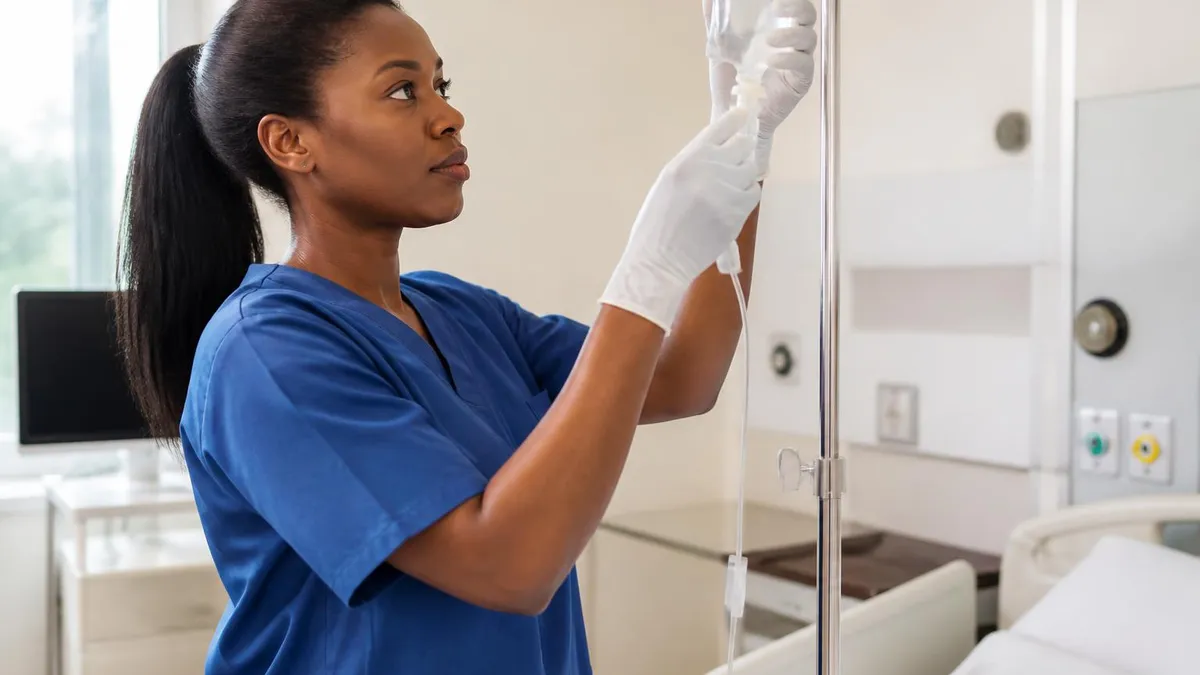
Many people enter LPN programmes with the intention of eventually becoming a Registered Nurse. The LPN-to-RN pathway is a common and practical route — you start earning as an LPN while continuing your education part-time to earn an associate degree in nursing (ADN) or a bachelor's degree in nursing (BSN).
Several NYC schools offer LPN-to-RN bridge programmes specifically designed for working LPNs. These programmes give credit for your LPN education and clinical experience, shortening the time to complete the RN degree compared to starting from scratch. An LPN-to-RN bridge programme typically takes 1–2 years for an ADN or 2–3 years for a BSN, depending on how many prerequisite courses you've already completed.
When choosing your initial LPN programme, ask whether the programme's credits transfer to local RN programmes. CUNY LPN programme credits generally transfer to CUNY ADN programmes, creating a natural pathway within the CUNY system. Private school credits may or may not transfer — verify this before enrolling if RN advancement is part of your plan. Starting with a programme whose credits don't transfer means potentially repeating coursework later, which wastes both time and money.
The financial benefit of the LPN-to-RN pathway is significant. Rather than spending 2–4 years in school without income, you complete the LPN programme in 12–18 months, start earning $50,000+ as an LPN, and then continue your RN education while working. By the time you earn your RN, you've accumulated 1–3 years of clinical experience and earned income throughout your education — a financially stronger position than classmates who went directly into a 4-year BSN programme with no income during school.
The clinical experience you gain as a working LPN also makes you a stronger RN student. You've already practised nursing skills, managed patient interactions, and worked within healthcare teams — which means the clinical component of your RN programme builds on real competence rather than starting from zero. Many RN bridge programme instructors note that former LPNs are among their strongest students because of this practical foundation.
LPN Programs NYC: Key Numbers
Preparing for Your LPN Programme Application
LPN programme applications in NYC — particularly at CUNY schools — can be competitive because of limited seats and high demand. Strengthening your application before you apply improves your chances of getting into your preferred programme.
The TEAS exam (Test of Essential Academic Skills) is required by most LPN programmes as part of the admission process. It tests reading, math, science, and English language skills at a level appropriate for nursing programme entry. Study for the TEAS before taking it — the score often determines your ranking among applicants. ATI (the test maker) offers official TEAS preparation materials, and third-party prep resources are widely available. A strong TEAS score is one of the most controllable factors in your application.
Prerequisite courses — particularly anatomy and physiology — may be required or recommended before starting the LPN programme. Completing prerequisites at a community college before applying demonstrates academic readiness and can give you a competitive edge over applicants who haven't taken these courses. Some programmes allow you to complete prerequisites concurrently with the LPN programme, but completing them in advance means a lighter course load during the programme itself.
Healthcare experience isn't required for most LPN programmes but strengthens your application if you have it. Volunteer work at a hospital or nursing home, Certified Nursing Assistant (CNA) experience, or any healthcare-adjacent work demonstrates commitment to the field and gives you a realistic understanding of what nursing involves. If you don't have healthcare experience, community volunteer work and a strong personal statement explaining your motivation for nursing can compensate. Many NYC hospitals and nursing homes welcome volunteers — even a few months of weekly volunteering demonstrates commitment and gives you realistic exposure to the healthcare environment you'll be working in.
Letters of recommendation from employers, teachers, or healthcare professionals who can speak to your work ethic and interpersonal skills add credibility to your application. Strong letters that describe specific qualities relevant to nursing (reliability, compassion, attention to detail, ability to work under pressure) are more valuable than generic letters from impressive-sounding contacts who don't know you well.
Not all LPN programmes in NYC are created equal — some have historically had NCLEX pass rates below 50%, meaning more than half of their graduates couldn't pass the licensing exam. Before paying tuition to any programme, verify three things: (1) The programme is approved by the New York State Education Department (NYSED) — check the NYSED website directly, (2) The programme's NCLEX-PN first-attempt pass rate is 80% or higher — NYSED publishes these rates annually, (3) The programme's credits transfer to RN programmes if you plan to advance. A cheaper programme with poor outcomes costs more in the long run than a more expensive programme that actually prepares you to pass the NCLEX and find employment.
Life as an LPN Student in NYC
LPN programmes in NYC are intensive — expect a full-time commitment even if the programme advertises flexible scheduling. Full-time programmes typically involve 4–5 days per week of classroom instruction and clinical rotations, totalling 30–40 hours weekly. Evening programmes reduce the daily time commitment but extend the programme duration.
Clinical rotations are the most demanding and rewarding part of the programme. You're placed in real healthcare settings (hospitals, nursing homes, clinics) where you practise nursing skills on actual patients under instructor supervision. Clinical days are typically 8–12 hours, and you're expected to arrive prepared, in full uniform, with completed clinical paperwork. The clinical experience builds your confidence and competence faster than any amount of classroom instruction because you're applying what you've learned in real patient care situations.
Balancing work and LPN school is possible but challenging. Many NYC LPN students work part-time — often in healthcare settings as CNAs or patient care technicians — while attending school. Evening and weekend programmes are designed specifically for working students. If you need to work during your LPN programme, be realistic about your energy and time: the programme's academic and clinical demands are significant, and letting work commitments undermine your programme performance defeats the purpose of the investment.
Study groups are common among NYC LPN students and can be particularly valuable for exam preparation. The material is dense — pharmacology alone requires memorising hundreds of drug names, classifications, side effects, and nursing implications — and explaining concepts to classmates is one of the most effective study techniques. Many programmes facilitate study groups, but even informal ones that meet at a library or coffee shop a few times a week can make a measurable difference in exam scores and programme completion rates.
Transportation and commuting time are practical considerations specific to NYC. Choose a programme that's accessible by your regular commute — an excellent programme that requires a 90-minute subway ride each way might not be practical for a full-time student who also needs to work. Clinical rotation sites may be located at different facilities than your classroom, adding commute complexity. Factor travel time into your daily schedule when evaluating programme feasibility — a programme that looks ideal on paper can become unsustainable if the daily commute consumes two or three hours each day you simply don't have available to spare.
LPN Programs NYC Questions and Answers
About the Author

Registered Nurse & Healthcare Educator
Johns Hopkins University School of NursingDr. Sarah Mitchell is a board-certified registered nurse with over 15 years of clinical and academic experience. She completed her PhD in Nursing Science at Johns Hopkins University and has taught NCLEX preparation and clinical skills courses for nursing students across the United States. Her research focuses on evidence-based exam preparation strategies for healthcare certification candidates.
Join the Discussion
Connect with other students preparing for this exam. Share tips, ask questions, and get advice from people who have been there.
View discussion (7 replies)