
LCSW Abbreviation Meaning: What It Stands For and Why It Matters 2026 September
What does LCSW stand for? Learn the LCSW abbreviation meaning, licensing requirements, and career paths. 🎓 Full guide for aspiring social workers.

The LCSW abbreviation meaning is Licensed Clinical Social Worker — a credential that represents the highest tier of professional licensure in the social work field across the United States. Understanding what LCSW stands for is essential whether you are a prospective student mapping out your education, a client seeking mental health services, or a professional navigating career advancement. The letters carry significant legal and clinical weight, authorizing holders to diagnose mental health conditions, provide psychotherapy, and bill insurance companies independently. For a deeper look at how the credential works in practice, explore the full lcsw abbreviation meaning and state-specific requirements.
Breaking down each word in the acronym reveals why the designation is so meaningful. "Licensed" means the individual has met all requirements set by a state regulatory board, passed a standardized examination, and received legal authority to practice. Without this licensure, a social worker cannot legally call themselves an LCSW or perform the full scope of clinical duties. Licensing protects the public by ensuring only qualified practitioners provide mental health services, and it creates accountability through disciplinary mechanisms that boards can use if a practitioner violates ethical standards.
"Clinical" is the word that most significantly differentiates an LCSW from other social work credentials. In the social work profession, clinical practice refers to direct therapeutic work with individuals, families, and groups to address mental health disorders, trauma, addiction, relationship dysfunction, and life crises. A clinical social worker uses evidence-based therapeutic modalities such as cognitive behavioral therapy, dialectical behavior therapy, motivational interviewing, and trauma-focused approaches. This clinical skill set is developed through thousands of supervised hours working directly with clients under the guidance of a senior licensed clinician.
"Social Worker" situates the credential within a specific professional and philosophical tradition. Unlike psychologists or psychiatrists, social workers are trained to view clients through a person-in-environment lens, meaning they consider how systemic factors — poverty, racism, housing instability, lack of access to healthcare, and community disinvestment — shape individual mental health and well-being. This ecological perspective is baked into every aspect of LCSW training, from the master's degree curriculum to the supervised clinical hours to the licensing examination itself. It is what makes the LCSW credential distinct from other mental health licenses.
The LCSW credential is recognized in all 50 states and the District of Columbia, though the exact title and requirements vary by jurisdiction. Some states use the term Licensed Clinical Social Worker, while others use Licensed Independent Clinical Social Worker (LICSW) or Clinical Social Worker (CSW). Regardless of the specific label, the underlying competencies are similar: a graduate-level education in social work, extensive supervised clinical experience, and passage of the ASWB Clinical exam. Knowing these variations matters when you are relocating or considering multi-state practice authorization through compact agreements.
For clients and the general public, understanding the LCSW abbreviation meaning helps with making informed decisions about care. An LCSW can function as a primary mental health provider, accepting insurance reimbursement and coordinating with other members of a treatment team including psychiatrists, primary care physicians, and case managers. Many LCSWs run private practices, work in hospitals and community mental health centers, serve in school settings, or provide telehealth services. The credential signals that the practitioner has met rigorous training benchmarks and is accountable to an ongoing licensure renewal process that requires continuing education.
Aspiring LCSWs should understand that the journey to earning this credential is substantial but achievable with intentional planning. The typical pathway includes completing an accredited Bachelor of Social Work or a related undergraduate degree, earning a Master of Social Work (MSW) from a CSWE-accredited program, accumulating two to three years of post-graduate supervised clinical experience (typically 3,000 to 4,000 hours depending on the state), and passing the ASWB Clinical Level examination. Once licensed, practitioners must complete continuing education requirements each renewal cycle to maintain their credential and stay current with evolving clinical knowledge and ethical standards.
LCSW by the Numbers

What Each Word in LCSW Stands For
The individual has fulfilled all state board requirements, passed the ASWB Clinical exam, and received legal authorization to practice social work at the clinical level. Licensing creates public accountability and is renewed on a cycle requiring continuing education.
Clinical practice involves direct therapeutic work with clients to assess, diagnose, and treat mental health disorders. This distinguishes the LCSW from generalist social workers and authorizes the use of evidence-based therapies like CBT, DBT, and trauma-focused interventions.
The social lens means practitioners view clients within their broader environment — considering systemic factors like poverty, racism, and community resources alongside individual symptoms. This person-in-environment framework is foundational to social work education and practice.
Social workers are helping professionals trained to advocate for clients, coordinate services, navigate complex systems, and provide direct therapy. The LCSW is the highest clinical tier, but all social workers share this commitment to human dignity and social justice.
Becoming a Licensed Clinical Social Worker is a multi-stage process that typically spans six to ten years from undergraduate enrollment to final licensure. Understanding the full pathway helps aspiring professionals plan their education, finances, and career timeline with realistic expectations. The process begins long before you ever sit for a licensing examination — it starts with choosing the right academic programs, developing clinical competencies, and identifying supervisors who can provide the mentorship required for post-graduate training. Each stage builds on the previous one, so early decisions have downstream effects on how quickly you reach licensure.
The educational foundation for LCSW licensure is the Master of Social Work (MSW) degree from a program accredited by the Council on Social Work Education (CSWE). Most applicants enter MSW programs after completing a bachelor's degree, often in social work, psychology, sociology, or a related human services field.
Some schools offer a BSW-to-MSW advanced standing track that can shorten graduate education by a full year for students who earned their bachelor's in social work from a CSWE-accredited program. When selecting an MSW program, look for a concentration in clinical or direct practice, as this specialization most directly prepares you for the supervised hours and the ASWB Clinical exam.
After completing the MSW, graduates typically apply for an associate-level or provisional license in their state, which authorizes them to begin accumulating the post-graduate supervised clinical hours required for full LCSW licensure. The number of required hours ranges from 2,000 to 4,000 depending on the state, and the nature of acceptable supervision — including who can serve as a supervisor and how often supervision must occur — is spelled out in state board regulations.
In most states, supervision must be provided by a licensed clinical social worker or another licensed mental health professional with equivalent credentials, and sessions must be documented carefully in case of an audit.
Finding quality supervision is one of the most practically challenging steps on the LCSW pathway. Many employers in clinical settings offer supervision as part of employment, which can significantly reduce the financial burden of the post-graduate training period. Community mental health centers, hospital systems, Veterans Affairs facilities, and school districts are among the most common employers that provide supervision.
Some candidates seek out private supervisors when their employer does not provide adequate supervision opportunities, paying out of pocket for individual or group supervision sessions. The quality of supervision matters enormously — strong supervisors help clinicians develop their therapeutic identity and navigate difficult clinical situations.
Once you have accumulated the required supervised hours and completed any additional state-specific requirements, you can apply to sit for the ASWB Clinical Level examination. The Association of Social Work Boards (ASWB) administers this standardized test across the United States, and it is the primary gate for LCSW licensure in the vast majority of states.
The exam consists of 170 multiple-choice questions, of which 150 are scored and 20 are unscored pretest items used for future exam development. Candidates have four hours to complete the test, and scores are reported on a pass/fail basis. The content spans human development, diversity, relationships, assessment, treatment planning, interventions, and professional ethics.
Preparing for the ASWB Clinical exam requires focused study, typically spanning eight to sixteen weeks of dedicated preparation for most candidates. The exam tests applied clinical reasoning rather than simple recall, meaning that understanding how to apply concepts to realistic case scenarios is more important than memorizing definitions.
Many candidates use a combination of official ASWB preparation materials, third-party study guides, peer study groups, and practice examination banks to prepare. Practice tests are particularly valuable because they help candidates familiarize themselves with the question format, identify knowledge gaps, and build the stamina required to sustain concentration over a four-hour testing session.
After passing the ASWB Clinical exam and completing all other state requirements, the state licensing board issues the LCSW credential. At this point, the new LCSW can practice independently, open a private practice, apply for insurance panels, and supervise other social workers working toward their own licensure. Maintaining the credential requires completing continuing education hours each renewal cycle, which typically ranges from two to three years depending on the state. Continuing education keeps practitioners current on evolving research, evidence-based practices, ethical standards, and emerging issues in mental health care.
LCSW vs. Other Mental Health Credentials
The Licensed Marriage and Family Therapist (LMFT) credential focuses specifically on relational and systemic therapy, training practitioners to work with couples, families, and relationship dynamics. LCSWs receive broader training that encompasses individual, group, family, and community-level interventions, along with a stronger grounding in advocacy, case management, and social policy. Both credentials authorize independent clinical practice and insurance billing, making them competitive in many job markets.
When choosing between the two credentials, consider your clinical interests and the populations you want to serve. If your passion is couples therapy or family systems work, the LMFT pathway may align well. If you want flexibility to work across settings — hospitals, schools, private practice, policy organizations — and appreciate a social justice framework, the LCSW often provides a wider career footprint. Many employers accept either credential for clinical positions, so research your target setting's requirements carefully.

Pros and Cons of Pursuing the LCSW Credential
- +Authorizes independent clinical practice including diagnosing mental health conditions
- +Recognized in all 50 states with broad reciprocity options for multi-state practice
- +Qualifies for insurance panel enrollment and independent billing — no physician supervision required
- +Opens doors to private practice ownership and entrepreneurial career paths
- +Provides a social justice and advocacy framework missing from many other mental health credentials
- +Strong job market with consistent demand across hospitals, schools, agencies, and telehealth platforms
- −Requires a master's degree plus thousands of post-graduate supervised hours before full licensure
- −Supervised hours period often involves lower salaries and high workloads at community agencies
- −ASWB Clinical exam has a meaningful fail rate, requiring thorough and time-intensive preparation
- −Private practice income varies widely and requires business development skills beyond clinical training
- −Continuing education requirements add ongoing costs and time commitments post-licensure
- −State-by-state variation in requirements can complicate relocation or multi-state practice plans
LCSW Licensing Steps Checklist
- ✓Complete a CSWE-accredited Master of Social Work (MSW) program with a clinical concentration.
- ✓Apply for an associate or provisional license in your state immediately after MSW graduation.
- ✓Secure a position or placement that provides qualifying post-graduate supervised clinical hours.
- ✓Identify a qualified LCSW or licensed clinical supervisor and establish a formal supervision agreement.
- ✓Document all supervised hours meticulously using forms approved by your state licensing board.
- ✓Review your state's specific hour requirements and supervisor qualifications before beginning supervision.
- ✓Register for the ASWB Clinical Level examination once you have accumulated the required hours.
- ✓Complete a structured exam preparation program including practice tests and content review.
- ✓Pass the ASWB Clinical exam and submit all required documentation to the state licensing board.
- ✓Receive your LCSW license and begin tracking continuing education hours for your first renewal cycle.
The Supervised Hours Period Shapes Your Clinical Identity
The post-graduate supervised hours phase is more than a bureaucratic hurdle — it is where most clinicians develop their therapeutic voice, learn to manage countertransference, and build the case conceptualization skills that define their long-term practice. Choosing a supervisor who challenges you clinically and aligns with your professional values is one of the highest-leverage decisions you will make on the path to LCSW licensure. Do not rush the selection process.
The career opportunities available to Licensed Clinical Social Workers are remarkably diverse, spanning clinical practice, administration, education, research, and policy advocacy. Understanding this range is important when considering the LCSW abbreviation meaning in a career context — the credential is not just a license to provide therapy, it is a passport to leadership roles across the full ecosystem of human services. Many LCSWs begin their careers in direct service and gradually move into supervisory, administrative, or specialized clinical roles as their experience deepens.
In terms of salary, the median annual wage for social workers in clinical roles in the United States falls between $55,000 and $90,000, depending on the setting, geographic location, years of experience, and specialization. LCSWs in private practice, particularly those who have built strong referral networks and established reputations in high-demand specialties such as trauma, eating disorders, or perinatal mental health, can earn significantly more. Metropolitan areas with high costs of living and strong insurance reimbursement markets — including New York, California, Massachusetts, and Washington — tend to offer higher salaries than rural or lower-cost regions.
Healthcare settings including hospitals, psychiatric inpatient units, outpatient clinics, and integrated primary care practices are major employers of LCSWs. In these environments, LCSWs often function as part of interdisciplinary treatment teams alongside physicians, nurses, psychiatrists, and occupational therapists. Hospital-based LCSWs may focus on discharge planning, crisis intervention, end-of-life care support, or outpatient therapy, depending on the facility's structure. The stability of hospital employment and the access to supervision, professional development, and benefit packages make healthcare a popular destination for newly licensed clinicians.
School-based social work is another significant employment sector, with LCSWs working in K–12 public and private schools to support student mental health, address behavioral challenges, facilitate family engagement, and connect students with community resources. School social workers must often navigate the intersection of clinical practice and educational policy, working within the frameworks of special education law (particularly IDEA), Section 504 plans, and multi-tiered support systems. This specialization requires strong collaboration skills and the ability to communicate clinical concepts in accessible language to educators, administrators, and parents who do not have mental health training.
Community mental health centers (CMHCs) have long been a cornerstone employer for LCSWs, particularly those committed to serving underserved populations who lack access to private pay therapy. CMHCs provide services to individuals experiencing serious mental illness, substance use disorders, homelessness, domestic violence, and complex trauma. The clinical experience gained in community mental health settings is often intensive and broad, providing excellent preparation for advanced roles. However, CMHC positions can also be emotionally demanding and may involve higher caseloads and lower pay than private sector alternatives, which is an important consideration for career planning.
Telehealth has dramatically expanded the geographic reach of LCSW practice, particularly following the regulatory changes that occurred during and after the COVID-19 pandemic. Many states relaxed telehealth licensure restrictions, and insurance companies significantly expanded reimbursement for video and telephone-based therapy sessions. LCSWs who embrace telehealth can build practices that serve clients across large geographic areas, reduce overhead costs associated with physical office space, and create more flexible work schedules. Multi-state licensure compacts being developed for social workers may further expand the reach of telehealth practice in coming years.
Specialization within the LCSW credential can significantly influence both career trajectory and earning potential. Common clinical specializations include trauma and PTSD treatment, child and adolescent mental health, geriatric mental health, addiction and substance use disorder treatment, perinatal and reproductive mental health, eating disorder treatment, and LGBTQ+ affirming therapy. Many of these specializations have their own certificate programs, supervised training requirements, and professional organizations that offer networking, continuing education, and credentialing. Building a recognizable specialty not only serves clients better but also helps LCSWs differentiate themselves in competitive markets and attract referrals from other providers.
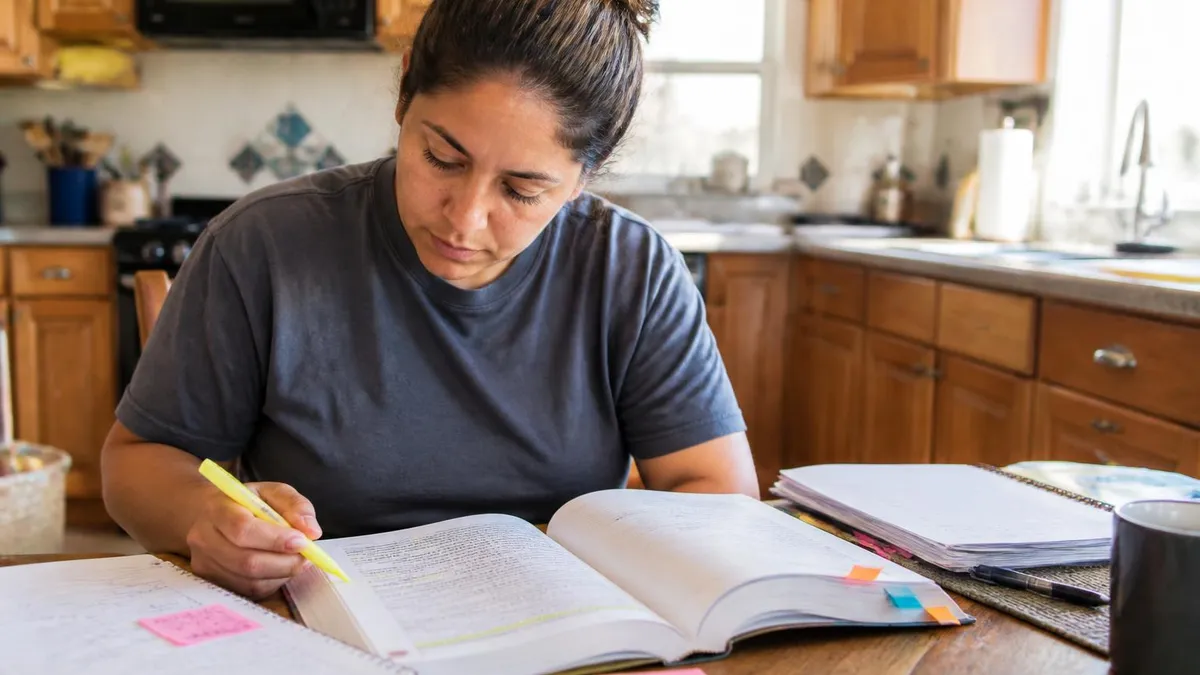
While the LCSW credential is recognized nationwide, each state sets its own requirements for supervised hours, acceptable supervisors, exam eligibility, and continuing education. Before relocating or planning your licensure timeline, always verify current requirements directly with your state's social work licensing board — requirements can change, and information from unofficial sources may be outdated or inaccurate.
The ASWB Clinical Level examination is the primary national standardized test for LCSW licensure, and understanding its structure is essential for effective preparation. The exam is developed and maintained by the Association of Social Work Boards in collaboration with practicing social workers across the country, ensuring that the content reflects the actual knowledge and skills required for entry-level clinical practice. The test blueprint is updated periodically based on practice analysis studies, so candidates should always reference the most current content outline when building a study plan.
The examination is divided into four broad content areas: Human Development, Diversity, and Behavior in the Environment; Assessment and Intervention Planning; Interventions with Clients and Client Systems; and Professional Relationships, Values, and Ethics. Each content area is weighted differently, with Assessment and Intervention Planning typically carrying the largest portion of the scored questions. Within each content area, specific competencies are tested through case-based vignettes that require candidates to apply clinical judgment rather than simply recall definitions. This applied format is what many candidates find most challenging, especially those who have been out of academic settings for several years.
Effective exam preparation typically begins with a thorough review of the content outline to identify areas of strength and weakness. Candidates should prioritize high-weight content areas and spend additional time on competencies that feel unfamiliar or that they rarely encounter in their current clinical role. Building a consistent study schedule — rather than cramming in the days before the exam — produces better retention and reduces test anxiety. Many successful candidates dedicate one to two hours of focused study per day over an eight-to-twelve-week period leading up to their test date.
Practice questions are among the most valuable preparation tools available to LCSW exam candidates. High-quality practice banks present questions in the same format and at the same level of cognitive complexity as the actual exam, helping candidates build familiarity with clinical scenario reasoning. When reviewing incorrect answers, the focus should not just be on identifying the right answer but on understanding why each distractor was wrong — this metacognitive approach strengthens the clinical reasoning skills that the exam is designed to measure. Tracking performance by content area over time helps candidates allocate study time strategically as the exam date approaches.
Test-day logistics deserve careful attention. The ASWB Clinical exam is administered at Pearson VUE testing centers across the country, and candidates must schedule their test date after receiving authorization to test from the state board. Arriving at the testing center well-rested, having eaten a substantial meal, and bringing required identification can make a meaningful difference in performance. The four-hour testing window is generous for most candidates, but pacing is still important — flagging difficult questions and returning to them after completing more certain answers is a sound strategy for managing time effectively during the exam.
After passing the exam, new LCSWs often benefit from peer consultation groups, ongoing supervision (even when it is no longer required), and engagement with professional organizations such as NASW (National Association of Social Workers) and state LCSW associations. These communities provide support, continuing education resources, advocacy opportunities, and networking that can accelerate career development. The LCSW designation is not a finish line — it is the beginning of a lifelong professional identity that deepens with each year of practice and each client served.
Resources like PracticeTestGeeks.com are specifically designed to help candidates in the preparation phase, offering targeted practice questions organized by content area, detailed answer explanations, and performance tracking tools. Using a structured, resource-supported study approach dramatically increases the likelihood of passing on the first attempt, saving both the financial cost of retesting and the emotional toll of a failed exam. Strong preparation is an investment in the clients you will eventually serve — every hour of focused study builds the clinical competence that makes licensed social workers effective, ethical, and resilient practitioners.
Creating an effective LCSW exam study plan requires balancing breadth and depth across the four major content domains while building the clinical reasoning skills that distinguish high-scoring candidates from those who struggle with the applied case-scenario format. The most common mistake candidates make is approaching exam preparation the same way they studied for graduate school exams — by memorizing theories and definitions. The ASWB Clinical exam tests whether you can apply knowledge to realistic clinical situations, which requires a fundamentally different kind of preparation.
Start your preparation by taking a full-length diagnostic practice exam under timed conditions before you begin any focused content review. This baseline assessment will reveal which content areas need the most attention and give you a realistic sense of your current readiness level.
Many candidates are surprised to discover that their weakest areas are not necessarily the topics they found hardest in graduate school — gaps often emerge in less-discussed domains such as professional ethics, supervision principles, or organizational practice. Use your diagnostic results to build a personalized study plan rather than working through a generic curriculum from start to finish.
For each content domain, prioritize understanding the clinical reasoning underlying correct answers rather than trying to memorize every theory or intervention. When studying human development, for example, focus on how developmental stage theory informs assessment and treatment decisions for clients of different ages — not on reciting the specific ages Piaget assigned to each cognitive stage. When studying intervention techniques, focus on how to match the correct modality to a given client presentation, not on memorizing the exact techniques used in each model. This applied, decision-making orientation is what the exam actually rewards.
Ethics questions deserve special attention in LCSW exam preparation because they appear throughout all content areas and are frequently the source of wrong answers for well-prepared candidates. The NASW Code of Ethics is the primary reference for ethics content on the ASWB exam, and candidates should be deeply familiar with its core principles: service, social justice, dignity and worth of the person, importance of human relationships, integrity, and competence.
Ethics scenarios on the exam often involve competing obligations — such as a client's confidentiality versus a duty to protect a third party — and require candidates to reason through priority-based ethical decision-making frameworks rather than applying rigid rules.
Group study can be a powerful supplement to individual preparation, particularly for candidates who have been out of a clinical training environment for several years. Study groups create accountability, expose members to different perspectives on clinical reasoning, and provide emotional support during a demanding preparation period. The most effective study groups meet regularly, assign specific content areas for each member to present, and work through practice questions together rather than just discussing theory. Online communities of LCSW exam candidates can also provide support and information, though candidates should verify any exam-specific advice against official ASWB resources.
Self-care during the exam preparation period is not a luxury — it is a clinical competency. Social workers are trained to recognize the signs of burnout and compassion fatigue in clients, but many neglect to apply the same awareness to themselves during high-stress periods like exam preparation.
Building regular exercise, adequate sleep, social connection, and enjoyable non-work activities into your study schedule protects cognitive function and emotional regulation, both of which directly affect exam performance. Candidates who are exhausted, anxious, or burnt out during the test are more likely to misread questions, second-guess correct answers, and make errors that their actual knowledge base would otherwise prevent.
After passing the exam and receiving your LCSW license, the learning does not stop — it evolves. The clinical skills you will build in your first five years of fully licensed practice often exceed what you developed during the supervised hours period, because full independence brings new challenges, more complex cases, and the full weight of clinical and ethical decision-making. Seek out continuing education that stretches your competencies, engage with supervision and consultation even when it is not required, and maintain connection with the professional community of social workers who share your commitment to ethical, evidence-based, and justice-oriented clinical practice.
LCSW Questions and Answers

Arizona LCSW Requirements: Education, Supervised Hours, and Licensing Steps

LCSW vs LMFT: Complete Career Comparison Guide for 2026

SC LCSW License Verification: How to Check a South Carolina Licensed Clinical Social Worker

Florida LCSW License Lookup: How to Verify a Licensed Clinical Social Worker in Florida

Jobs That Offer LCSW Supervision: How to Find Employers Who Cover Your Hours
About the Author

Licensed Social Worker & ASWB Exam Preparation Expert
Columbia University School of Social WorkDr. Maya Brooks holds a PhD in Social Work and is a Licensed Clinical Social Worker (LCSW) with an ASWB-approved supervision practice at Columbia University School of Social Work. With 14 years of clinical practice in mental health, child welfare, and community services, she coaches social work graduates through the ASWB Bachelor, Master, Advanced Generalist, and Clinical licensing examinations.
Join the Discussion
Connect with other students preparing for this exam. Share tips, ask questions, and get advice from people who have been there.
View discussion (8 replies)