
California LCSW Requirements: Complete 2026 September Licensing Guide
Learn all California LCSW requirements for 2026 September: education, supervised hours, exam steps, and BBS application tips to earn your license. 🗨️

Understanding the california lcsw requirements is the essential first step for any social work professional who wants to practice clinical services legally in the Golden State. California sets some of the most rigorous standards in the nation, requiring a specific combination of graduate education, supervised clinical hours, and passage of the ASWB Clinical Exam. If you are planning your path to licensure, knowing exactly what to expect from the California Board of Behavioral Sciences (BBS) will save you significant time and prevent costly mistakes along the way.
The Licensed Clinical Social Worker credential in California is governed by the BBS, a state regulatory body that enforces the Clinical Social Worker Practice Act. To obtain the LCSW license, applicants must first earn a Master of Social Work (MSW) degree from a program accredited by the Council on Social Work Education (CSWE). The degree must include specific coursework in human behavior, social welfare policy, research methods, and clinical practice — areas that form the theoretical backbone of the profession and directly align with exam content.
After completing graduate school, candidates must accumulate a minimum of 3,200 hours of supervised post-degree clinical experience. These hours cannot all come from the same setting or supervisor, and California has strict rules about what counts as qualifying clinical work versus general social work practice. The supervised experience phase typically takes two to three years to complete, depending on whether a candidate works full-time or part-time in an approved clinical setting. Keeping detailed records of every hour is critical, as the BBS will audit documentation during the application process.
California also requires candidates to complete specific coursework as conditions of licensure that may go beyond what was covered in their graduate program. These include 15 hours of coursework in California law and ethics, 18 hours in human sexuality, and 10 hours in spousal or partner abuse assessment and treatment. Many candidates discover these requirements after graduation and must complete them through continuing education providers approved by the BBS before they can sit for the licensing exam.
The licensing examination itself consists of the ASWB Clinical Exam, a 170-question multiple-choice test that covers the full breadth of clinical social work practice. California adopted this standardized national exam to streamline reciprocity with other states and ensure a consistent competency threshold. The exam tests knowledge across domains including human development, clinical assessment, diagnosis, treatment planning, and ethical decision-making. Candidates have three hours to complete the exam at an approved Pearson VUE testing center.
Many candidates underestimate the difficulty of the ASWB Clinical Exam and the importance of structured preparation. Pass rates nationally hover around 54 percent for first-time test-takers, meaning nearly half of candidates fail on their first attempt. Effective preparation involves reviewing content across all exam domains, practicing with realistic sample questions, understanding the DSM-5 diagnostic criteria, and applying ethical reasoning to complex clinical scenarios. Beginning your preparation at least three months before your exam date is strongly recommended by licensing coaches and exam prep resources.
This comprehensive guide walks you through every stage of the California LCSW licensing process — from selecting an accredited MSW program to submitting your final BBS application. Whether you are just beginning your social work education or are already accumulating supervised hours, the information here will give you a clear roadmap to achieving licensure in California and launching a rewarding career in clinical social work practice.
California LCSW Licensing by the Numbers

California LCSW Licensing Steps
Earn an Accredited MSW Degree
Complete Mandatory Pre-Licensure Coursework
Accumulate 3,200 Supervised Clinical Hours
Apply to the BBS and Receive Authorization
Pass the ASWB Clinical Exam
Receive Your LCSW License
The supervised clinical hours requirement is often the most time-consuming and complex aspect of earning your California LCSW. California requires a total of 3,200 post-degree supervised hours, but not all hours are created equal. The BBS specifies that at least 2,000 of these hours must be in direct clinical contact, which includes individual psychotherapy, group therapy, family therapy, and structured clinical assessment with clients. The remaining hours may be spent in related clinical activities such as writing treatment plans, case coordination, and attending clinical supervision sessions themselves.
Supervision must be provided by a licensed clinical supervisor — typically an LCSW, LMFT, licensed psychologist, or psychiatrist — who holds an active California license and has completed the required supervisor training. Each week of supervised experience must include a minimum of one hour of individual supervision or two hours of group supervision. Candidates are strongly encouraged to maintain a detailed supervision log from day one, noting the date, duration, type of supervision, supervisor name, and the clinical activities covered. The BBS may request this documentation at any point during the application review.
California allows some pre-degree hours to count toward the total supervised experience requirement under specific conditions. If you completed a practicum or field placement as part of your MSW program and it met BBS criteria, up to 1,300 hours of supervised experience may be credited. However, these hours must have been completed under a qualifying supervisor and must be clearly documented in your graduate program records. Many candidates are surprised to learn that their practicum hours do not automatically count — they must meet specific BBS standards to be credited.
The setting in which you accumulate your supervised hours matters significantly. California requires that clinical experience be obtained in settings where clinical social work services are the primary focus — such as outpatient mental health clinics, community mental health centers, hospitals, substance abuse treatment programs, and private group practices. Hours accumulated in purely administrative, research, or non-clinical settings generally do not qualify. Always verify with your employer and the BBS that your work setting meets the criteria before beginning to count hours.
For candidates working toward licensure while employed, the pacing of supervised hours can vary widely. A full-time clinician working 40 hours per week in a qualifying setting will typically accumulate between 1,500 and 1,800 direct-contact hours per year, depending on the nature of their caseload and organizational demands. This means most full-time candidates complete the supervised experience requirement in approximately two years. Part-time candidates or those working in roles with limited direct client contact may take three to four years to satisfy the requirement.
Understanding the difference between hours that count toward the 2,000 direct clinical contact threshold and hours that count only toward the broader 3,200-hour total is essential for planning your timeline. For example, attending supervision meetings, completing documentation, and participating in case conferences may count toward the overall 3,200 hours but not toward the 2,000 direct-contact minimum. Miscounting hours is one of the most common errors that delays BBS applications, so keeping meticulous records and consulting with your supervisor regularly about hour categorization is strongly recommended throughout the process.
California also places restrictions on the number of hours that can be supervised via telehealth or remote supervision formats. While the BBS has expanded telehealth provisions in recent years, there are still guidelines governing the proportion of remote versus in-person supervision that can satisfy the requirement. Candidates who plan to complete any portion of their supervision remotely should review current BBS telehealth regulations and confirm that their arrangements comply before submitting their application. The BBS website is the authoritative source for current telehealth supervision policies and is updated periodically.
California LCSW Exam: What to Expect
The ASWB Clinical Exam consists of 170 multiple-choice questions, of which 150 are scored and 20 are unscored pretest items distributed randomly throughout the exam. Candidates cannot distinguish pretest items from scored items, so every question should be treated with equal care. The total testing time is three hours and 45 minutes, and the exam is delivered at Pearson VUE testing centers throughout California. California uses a scaled passing score of 93, though the raw score needed to achieve this varies slightly by exam form.
The exam content is divided into four primary domains: Human Development, Diversity, and Behavior in the Environment (approximately 24%); Assessment, Diagnosis, and Treatment Planning (approximately 26%); Psychotherapy, Clinical Interventions, and Case Management (approximately 35%); and Professional Values and Ethics (approximately 15%). Questions are scenario-based and require candidates to apply clinical judgment rather than simply recall facts, which is why test-taking strategy and practice with realistic questions is as important as content knowledge.

Pros and Cons of Pursuing a California LCSW
- +California LCSWs earn among the highest salaries in the nation, with median pay exceeding $100,000 annually in many metropolitan areas
- +The LCSW license allows independent practice, including opening a private practice and accepting insurance panels without supervision
- +California's large population creates exceptional demand for licensed clinical social workers across virtually every specialty area
- +License portability has improved significantly — California LCSWs can often obtain endorsement licenses in other states through the ASWB system
- +The profession offers enormous diversity of work settings, from hospitals and schools to private practice and government agencies
- +California's mental health parity laws and expanded Medi-Cal coverage have created stable funding streams for LCSW services
- −The 3,200-hour supervised experience requirement is one of the longest in the nation, adding two to three years to the path to full licensure
- −The application process through the California BBS can be slow, with processing times sometimes exceeding six months for initial applications
- −Pre-licensure coursework requirements in California law, ethics, human sexuality, and partner abuse add cost and time beyond the MSW degree
- −The ASWB Clinical Exam has a first-time pass rate of only 54%, meaning intensive preparation is required and failure is common
- −California's high cost of living can offset salary advantages, particularly in the early years when associate-level wages are lower
- −Continuing education requirements of 36 hours per two-year renewal cycle create ongoing professional development obligations and costs
California LCSW Requirements Checklist
- ✓Confirm your MSW program is accredited by the Council on Social Work Education (CSWE) before enrolling
- ✓Complete all required coursework including 15 hours in California law and ethics from a BBS-approved provider
- ✓Finish 18 hours of human sexuality coursework from an approved California BBS provider
- ✓Complete 10 hours of training in spousal or partner abuse assessment, detection, and intervention
- ✓Accumulate a minimum of 3,200 supervised post-degree clinical hours, with at least 2,000 in direct client contact
- ✓Ensure your supervisor holds a valid California clinical license and has completed required supervisor training
- ✓Maintain a detailed supervision log documenting every hour, supervisor, and clinical activity throughout your supervised experience
- ✓Submit your BBS application with all required transcripts, supervisor verification forms, and the application fee
- ✓Receive your Authorization to Examine (ATE) letter from the BBS before registering for the ASWB Clinical Exam
- ✓Register for the ASWB Clinical Exam through the ASWB website and schedule at a Pearson VUE testing center
Start Your Hour Log on Day One
California BBS audits are thorough and unannounced. Candidates who fail to maintain contemporaneous supervision logs — documenting each session date, duration, supervisor, and activity type — risk having hours disqualified during application review. Begin your log on your very first day of post-degree supervised employment and back up records digitally to protect years of clinical work from being invalidated.
The financial investment required to earn a California LCSW is substantial, and candidates benefit from planning for these costs well in advance. Graduate school is typically the largest expense, with MSW programs at California public universities costing between $15,000 and $30,000 in total tuition, while private programs may cost $50,000 to $80,000 or more. Financial aid, scholarships, and loan forgiveness programs specifically for mental health professionals working in underserved areas can help offset these costs significantly, and candidates should research these options early in their educational planning.
Beyond graduate school, candidates must budget for the mandatory pre-licensure coursework that California requires. The 15-hour law and ethics course, 18-hour human sexuality course, and 10-hour partner abuse training course are offered through various BBS-approved providers at costs ranging from $50 to $200 per course. Some candidates complete these courses through their MSW program if the program has incorporated them into the curriculum. Others must seek out approved continuing education providers after graduation, which adds to the overall timeline and expense of the licensing process.
The BBS application itself carries fees that vary depending on the stage of licensure. The initial application to register as an Associate Clinical Social Worker (ACSW) — the title held while accumulating supervised hours — costs approximately $100. The subsequent application for the full LCSW license after passing the exam carries an additional fee in the same range. The ASWB Clinical Exam itself costs $260, paid directly to ASWB at registration. Retakes require paying the full exam fee again, which underscores the financial incentive to prepare thoroughly before your first attempt.
While working as an Associate Clinical Social Worker during the supervised experience phase, candidates typically earn between $45,000 and $65,000 annually, depending on the employer, setting, and geographic location within California. This is significantly less than what fully licensed LCSWs earn, which can create financial pressure during the two-to-three-year supervised experience period. Many ACSW-level clinicians supplement their income by working in higher-volume settings such as community mental health centers or employee assistance programs where caseloads are large and hours accumulate quickly.
Once licensed, California LCSWs see a dramatic increase in earning potential. Licensed practitioners in private practice or supervisory roles in metropolitan areas such as Los Angeles, San Francisco, and San Diego commonly earn between $90,000 and $130,000 annually. LCSWs who specialize in high-demand areas such as substance abuse treatment, trauma therapy, eating disorders, or geriatric mental health can command even higher rates, particularly in private practice settings where they set their own fees and accept insurance reimbursement directly. Building a specialty early in your career is one of the most effective long-term strategies for maximizing income as a California LCSW.
The licensing timeline itself has financial implications that candidates often overlook. BBS processing times for initial ACSW applications have historically ranged from two to six months, during which time candidates cannot legally begin accumulating supervised hours in California. Some candidates address this gap by completing their pre-licensure coursework during this waiting period or by continuing to work in a non-clinical capacity at their future employer. Planning for the BBS processing delay — and building it into your overall licensure timeline — prevents unexpected income disruptions and keeps your career trajectory on schedule.
Renewal costs and continuing education expenses also factor into the long-term financial picture of California LCSW licensure. The biennial renewal fee is approximately $300, and the 36 required continuing education hours must come from approved providers. CE courses typically cost $15 to $50 per hour, meaning candidates can expect to spend $500 to $1,800 per renewal cycle on continuing education alone. Many LCSWs offset these costs by seeking out free or subsidized CE offerings through professional associations such as NASW California, university alumni networks, and employer-provided training programs.
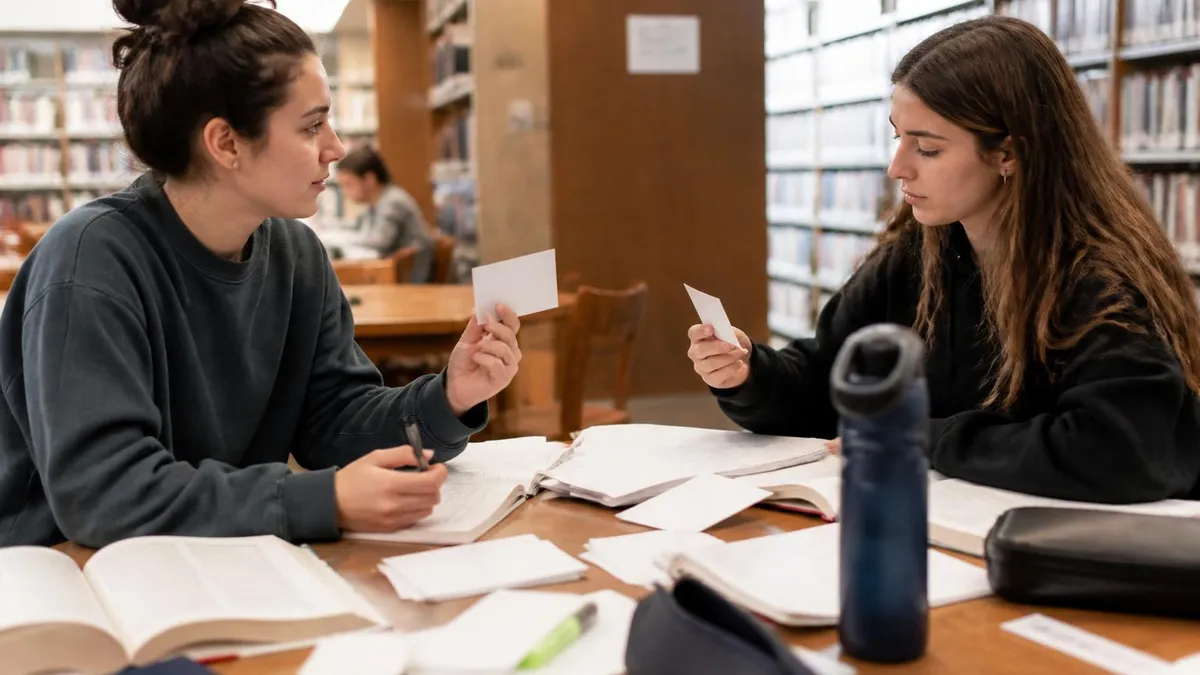
Your Authorization to Examine (ATE) letter from the California BBS is valid for a limited period. If you do not schedule and pass your ASWB Clinical Exam within that window, your ATE expires and you must reapply. Additionally, if your supervised hours were accumulated more than five years before your application date, the BBS may require additional documentation or verification. Always submit your BBS application as soon as you believe you have satisfied all requirements to avoid unnecessary delays or expirations.
Developing an effective exam preparation strategy is one of the most high-leverage investments you can make in your path to licensure. Most successful candidates begin structured exam preparation at least 12 weeks before their scheduled exam date, dedicating a minimum of 10 to 15 hours per week to study. The ASWB Clinical Exam tests applied clinical judgment rather than rote memorization, which means simply reading textbooks is rarely sufficient. The most effective preparation combines content review with extensive practice testing using questions that mirror the format and difficulty level of the actual exam.
The ASWB publishes an official Content Outline that specifies exactly what knowledge areas are tested on the Clinical Exam and in what proportions. Downloading and studying this outline should be the first step in your preparation. Use it to identify your relative strengths and weaknesses across the four exam domains and to allocate your study time proportionally.
Candidates who spend too much time reinforcing areas they already know well while neglecting weak domains often fall short of the passing score even after extensive preparation. A diagnostic practice exam taken at the start of your preparation period is invaluable for establishing your baseline and directing your efforts efficiently.
Content areas that consistently challenge LCSW candidates include the DSM-5 diagnostic criteria, advanced psychopharmacology, and nuanced application of the NASW Code of Ethics to complex clinical scenarios. For DSM-5 content, create structured study guides for each major diagnostic category covering essential criteria, differential diagnosis considerations, and prevalence statistics. For ethics content, practice working through ethical dilemmas systematically using recognized ethical decision-making frameworks rather than relying on intuition alone. The exam often presents scenarios where multiple responses appear plausible and success depends on identifying the most ethically sound course of action.
Practice testing is arguably the single most important element of effective exam preparation. Candidates who complete 500 or more practice questions before their exam date consistently report higher confidence and better outcomes than those who primarily rely on reading-based review. When reviewing practice questions, spend at least as much time analyzing the rationale for both correct and incorrect answer choices as you spend answering questions. Understanding why a distractor is wrong is often as educationally valuable as understanding why the correct answer is right, because it reveals common misconceptions that the exam deliberately exploits.
Time management during the actual exam is another critical skill that many candidates fail to develop during preparation. With 170 questions to answer in three hours and 45 minutes, you have roughly 90 seconds per question. Candidates who spend too long on difficult questions risk running out of time on questions they might easily answer correctly.
Practice taking timed exams under conditions that simulate the actual testing environment — no notes, no interruptions, and a strict time limit — so that pacing becomes automatic on exam day. If you encounter a question you are unsure about, flag it, move on, and return to it only after completing all other questions.
Self-care during the exam preparation period is often underemphasized but genuinely important. Extended periods of intense studying without adequate rest, exercise, and social connection can undermine cognitive performance and increase anxiety, ultimately reducing exam performance. Build regular breaks, physical activity, and enjoyable activities into your study schedule.
Many LCSW candidates are also practicing clinicians who work demanding jobs while preparing for the exam — managing energy and avoiding burnout during this period requires the same deliberate self-care planning you would recommend to your own clients. Treat your exam preparation as a structured project with defined start and end times each day rather than an open-ended obligation that bleeds into all areas of your life.
Finally, connecting with other LCSW candidates who are in the same preparation phase can provide meaningful emotional support and practical study benefits. Study groups, online forums, and professional association study sessions allow candidates to discuss challenging content, share resources, and hold each other accountable to consistent study habits. Many candidates who have already passed the exam are willing to share their experiences and recommendations, and seeking out this peer mentorship can provide both strategic insights and reassurance that the challenge ahead is surmountable with focused, consistent effort.
After passing the ASWB Clinical Exam, the final steps to receiving your California LCSW license are straightforward but require attention to detail. The BBS will typically issue your license within four to eight weeks of receiving confirmation of your passing score from ASWB. During this period, you can verify your exam results and application status through the BBS BreEZe online licensing portal. Once your license is issued, it will appear in the BBS public license lookup database, which clients, employers, and insurance panels use to verify your credentials.
Your first license renewal is due two years from your initial licensure date. California requires 36 continuing education hours per renewal cycle, with specific mandatory topics included. At least six hours must address law and ethics, and additional hours may be required in cultural competency, aging and long-term care, or other areas designated by the BBS.
CE hours must come from BBS-approved providers, and you must retain certificates of completion for at least three years in case of a BBS audit. Many LCSWs find that their professional association memberships provide access to free or discounted CE opportunities that satisfy a significant portion of the renewal requirement.
Maintaining your LCSW license in good standing opens access to panel contracts with major health insurance carriers, which is particularly important for private practice LCSWs. Applying to insurance panels as a newly licensed LCSW can be time-consuming — most major carriers have credentialing processes that take 60 to 120 days — so initiating applications immediately after receiving your license is advisable if you plan to accept insurance. Medi-Cal, California's Medicaid program, has significantly expanded behavioral health benefits in recent years, and becoming a Medi-Cal provider can provide immediate access to a large client base in the weeks following licensure.
California LCSWs who wish to practice telehealth must comply with both BBS telehealth regulations and the applicable standards for any state in which the client is physically located during the session. Interstate practice has become increasingly complex in the era of teletherapy, and LCSW licensure in California alone does not authorize practice with clients in other states unless those states have enacted reciprocity provisions or you hold a separate license in that state. Consulting with a healthcare attorney before expanding your practice across state lines is strongly recommended to avoid inadvertent unlicensed practice violations.
For LCSWs interested in supervision as a professional role, California requires completion of a six-hour supervisor training course before providing supervision toward licensure for associate-level clinicians. This training covers the legal and ethical responsibilities of supervisors under California law, documentation requirements, handling supervisee impairment, and liability considerations. Providing supervision without completing this training is a violation of BBS regulations and can result in disciplinary action against your license. Many experienced LCSWs find supervision to be a rewarding professional activity that provides mentorship opportunities and, in private practice settings, additional income streams.
The California LCSW credential also opens doors to specialized certifications and advanced practice designations that can differentiate your practice and expand your scope. Common post-licensure credentials pursued by California LCSWs include the Certified Clinical Trauma Professional (CCTP), Certified Alcohol and Drug Counselor (CADC), and EMDR certification through the EMDR International Association (EMDRIA). These credentials signal specialized expertise to referral sources and clients and often support higher session fees in private practice settings. Many specialty certifications require continuing education hours that simultaneously satisfy BBS renewal requirements, making them efficient investments in professional development.
Looking at the long arc of a career as a California LCSW, the initial investment in graduate education, supervised hours, and exam preparation pays dividends across decades of professional practice. The license confers legal authority to practice independently, diagnose mental health conditions, and provide psychotherapy — privileges that create exceptional flexibility in how, where, and with whom you choose to work.
Whether your career goals involve working in community mental health, building a private practice, entering healthcare administration, or pursuing academic and research roles, the California LCSW license provides a strong, recognized foundation that supports virtually every career direction in the behavioral health field.
LCSW Questions and Answers

LCSW Requirements: Education, Supervised Hours, and Licensing Steps for 2026

LCSW vs Psychologist: Key Differences in Education, Salary, and Career Path
LCSW Practice Test Video Answers

LCSW vs LMFT: Complete Career Comparison Guide for 2026

LCSW Jobs: Settings, Salaries, and How to Find the Right Role
About the Author
Licensed Social Worker & ASWB Exam Preparation Expert
Columbia University School of Social WorkDr. Maya Brooks holds a PhD in Social Work and is a Licensed Clinical Social Worker (LCSW) with an ASWB-approved supervision practice at Columbia University School of Social Work. With 14 years of clinical practice in mental health, child welfare, and community services, she coaches social work graduates through the ASWB Bachelor, Master, Advanced Generalist, and Clinical licensing examinations.
Join the Discussion
Connect with other students preparing for this exam. Share tips, ask questions, and get advice from people who have been there.
View discussion (8 replies)