

Hearing Loss Practice Test
Updated for September 2026Top 10 Tips and Tricks to Prevent Hearing Loss
- Wear Earplugs
- Reduce Volume
- Rest Your Ears
- Avoid Cotton Buds
- Prescribed Drugs
- Avoid Water Exposure
- Be Active
- Reduce Anxiety Levels
- Schedule Routine checks
- Quit Smoking
Hearing Loss Questions and Answers
- If the hearing loss is sudden, it is more likely to be temporary. Sudden hearing loss can be caused by many things, such as ear infections, loud noises, head injuries, or blockages in the ear canal.
- If the hearing loss occurs gradually over time, it is more likely to be permanent. This hearing loss is caused by noise exposure, aging, and some medications.
- If you have any other health conditions along with your hearing loss, it is more likely to be permanent. Some common health conditions that can lead to permanent hearing loss include diabetes and cancer.
- Noise-induced hearing loss is the most common type of permanent hearing loss. Exposure can cause it to loud noise over an extended period, such as from working in a noisy factory or being a musician. It can also happen from a one-time event, such as an explosion.
- Certain medical conditions can also cause hearing loss. These include problems with the ear canal or eardrum, diseases such as meningitis or mumps that affect the inner ear, and tumors on the auditory nerve. Neurological conditions such as Alzheimer’s disease and multiple sclerosis
- Other sounds, including speech, seem muffled
- Hearing high-pitched sounds poorly
- Having trouble hearing conversations in a noisy environment
- Having trouble understanding phone conversations
- Difficulty understanding speech consonants
- Requesting that others speak clearly and slowly
- Intense ringing in the ears
- Heightened sensitivity to specific noises
- Aspirin, when large doses (8 to 12 pills a day) are taken.
- Non-steroidal anti-inflammatory drugs (NSAIDs).
- Certain antibiotics.
- Loop diuretics.
- Certain medicines are used to treat cancer.
- Avoid loud noises When you must be in a noisy environment, lower the volume on your devices and wear earplugs.
- Dry off your ears. After swimming or taking a shower, gently pat dry your ears with a towel to stop extra water from getting inside the ear canal.
- Avoid smoking Tinnitus, also known as ringing in the ears, has been linked to nicotine use.
- Use medication with caution. Hearing loss-related side effects are sometimes associated with prescription drugs.
- Be mindful of excessive ear wax accumulation Wax buildup in the ears can interfere with hearing and make sounds seem muffled. Do not attempt to remove it yourself; consult a physician about treatment options.
- Stay away from cotton swabs and other tiny objects. By doing so, you run the risk of injuring your eardrum, which can lead to pain and hearing loss.
- Take vitamins and supplements to improve your hearing health. Your overall health, including your hearing, can be impacted by a healthy diet full of vitamins and minerals, regular exercise, and lowering your stress levels.
- Keep your ears safe Use a hat or earmuffs to protect your ears when it’s cold outside. And remember to wear ear protection whenever you’re in a noisy environment, like earplugs or noise-cancelling headphones.
- Visit your physician frequently Maintaining overall health is important, and routine doctor visits can help identify potential issues early.
- Frequently check your hearing Regular hearing tests can help you increase your chances of regaining normal hearing by identifying early indicators of hearing loss.
- Take a stroll through the forest. A stroll along the beach or in a similarly serene area is an additional choice. Concentrate on your surroundings and record every sound you hear, including the wind blowing and birds chirping.
- Have a family member or friend read the passage aloud. Try to accurately recite each sentence after it has been said. It’s a beneficial hearing exercise.
- Turn down the volume
- Use noise-cancelling headphones
- Wear actual headphones, not earbuds
- Take listening breaks
- Set a volume limit.
Hearing Loss Practice Test Questions
Prepare for the Hearing Loss exam with our free practice test modules. Each quiz covers key topics to help you pass on your first try.
Hearing Loss Ear Anatomy and Physiology Test
Hearing Loss Exam Questions covering Ear Anatomy and Physiology Test. Master Hearing Loss Test concepts for certification prep.
Hearing Loss Ear Health Test
Free Hearing Loss Practice Test featuring Ear Health Test. Improve your Hearing Loss Exam score with mock test prep.
Hearing Loss Audiological Testing and Diag...
Hearing Loss Mock Exam on Audiological Testing and Diagnosis Test. Hearing Loss Study Guide questions to pass on your first try.
Hearing Loss Cochlear Implants and Surgica...
Hearing Loss Test Prep for Cochlear Implants and Surgical Treatments Test. Practice Hearing Loss Quiz questions and boost your score.
Hearing Loss Communication Strategies for ...
Hearing Loss Questions and Answers on Communication Strategies for Hearing Loss Test. Free Hearing Loss practice for exam readiness.
Hearing Loss Ear Anatomy and Physiology
Hearing Loss Mock Test covering Ear Anatomy and Physiology. Online Hearing Loss Test practice with instant feedback.
Hearing Loss Ear Health
Free Hearing Loss Quiz on Ear Health. Hearing Loss Exam prep questions with detailed explanations.
Hearing Loss Hearing
Hearing Loss Practice Questions for Hearing. Build confidence for your Hearing Loss certification exam.
Hearing Loss Hearing Aids and Assistive De...
Hearing Loss Test Online for Hearing Aids and Assistive Devices Test. Free practice with instant results and feedback.
Hearing Loss Prevention Test
Hearing Loss Study Material on Hearing Loss Prevention Test. Prepare effectively with real exam-style questions.
Pro Tip: Focus your Hearing Loss study time on areas where you score lowest. Most exam questions test application of knowledge, not memorization.
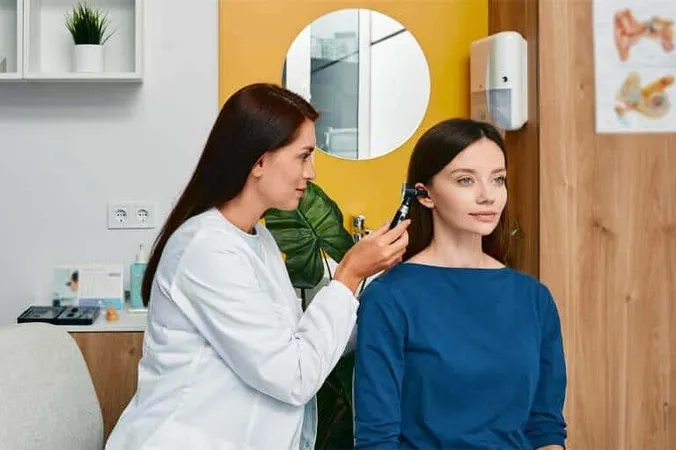
Can Hearing Loss Be Reversed
- A buildup of earwax is reversible.
- Infections of the ears are curable.
- Loss of hearing with age is irreversible.
Best Hearing Aids for Severe Hearing Loss
- Phonak Naida Paradise
- Signia Motion Charge&Go SP X
- Starkey Evolv AI
- Phonak Audeo Paradise
- Signia Insio Charge&Go AX
Degrees of Hearing Loss
- Mild Hearing Loss
- Moderate Hearing Loss
- Moderately Severe Hearing Loss
- Severe
- Profound
Surgery for Hearing Loss
- PE Tubing
- Stapedectomy
- Middle ear operations
Medications that Cause Hearing Loss
- Aspirin, when given in high quantities (8 to 12 pills per day).
- Ibuprofen and naproxen are examples of non-steroidal anti-inflammatory medicines (NSAIDs).
- Certain antibiotics, especially aminoglycosides (such as gentamicin, streptomycin, and neomycin). The majority of those who experience hearing-related adverse effects from these medicines have kidney illness or already have ear or hearing issues.
- Bumetanide and furosemide (Lasix) are examples of loop diuretics used to treat high blood pressure and heart failure.
- Cyclophosphamide, cisplatin, and bleomycin are a few of the drugs used to treat cancer.
Hearing Loss: Pros and Cons
- +Hearing Loss credential is recognized by employers and industry professionals
- +Higher earning potential compared to non-credentialed peers
- +Expanded career opportunities and professional advancement
- +Structured learning path builds comprehensive knowledge
- +Professional development that stays current with industry standards
- −Preparation requires significant time and study commitment
- −Associated costs for exams, materials, and renewal fees
- −Continuing education needed to maintain credentials
- −Competition for advanced positions can be challenging
- −Requirements and standards may vary by state or region
About the Author

Certified Professional Development Expert & Niche Certification Advisor
University of Pennsylvania Graduate School of EducationDr. Alexandra Kim holds a PhD in Professional Studies from the University of Pennsylvania and is a Certified Professional in Learning and Performance (CPLP) and Certified Professional in Talent Development (CPTD). With 17 years of corporate training and professional certification advisory experience, she helps professionals navigate specialized, emerging, and cross-industry certification programs.