
GAMSAT Cost: Complete Breakdown of Fees, Prep Expenses & Ways to Save
Learn the full GAMSAT cost — registration fees, prep materials, and hidden expenses. Plan your budget and save money. 💡

Understanding the full GAMSAT cost is one of the most important steps you can take before committing to a medical school pathway. The Graduate Medical School Admissions Test is a high-stakes exam used by medical and dental schools across Australia, Ireland, and the United Kingdom, and the expenses associated with sitting the test extend well beyond the registration fee.
From official ACER fees to prep materials, travel, and potential resit costs, the total financial commitment can easily reach several hundred dollars — sometimes more than $1,000 when all factors are considered. If you want to practice efficiently before exam day, exploring gamsat cost-effective study resources is a smart first move.
The GAMSAT registration fee set by ACER (the Australian Council for Educational Research) varies by country and testing cycle. For candidates sitting the test in Australia, the fee has historically been in the range of AUD $330 to AUD $370. International candidates sitting in the United Kingdom or Ireland may face different fee structures due to local administration costs and currency conversion. It is essential to check the current ACER website for the most up-to-date pricing, since fees are subject to change between testing years and late-entry surcharges can add a significant amount on top of the base registration fee.
Beyond the official registration fee, aspiring medical students must budget for preparation materials. High-quality GAMSAT prep resources — including question banks, full-length practice exams, video tutorials, and study guides — can range from free online resources to premium packages costing $200 to $600 or more.
Many candidates invest in multiple resources to cover all three sections of the exam: Section I (Reasoning in Humanities and Social Sciences), Section II (Written Communication), and Section III (Reasoning in Biological and Physical Sciences). The breadth of scientific knowledge required for Section III, in particular, drives many candidates toward paid biology, chemistry, and physics review courses.
Test center and travel costs represent another layer of GAMSAT expenses that candidates sometimes overlook during the budgeting phase. If you do not live near a designated testing center, you may need to factor in transportation, accommodation, and meal costs for the day or days surrounding the exam. The GAMSAT is typically offered twice a year — once in March and once in September — and testing centers are available in major cities across eligible countries. Candidates who must travel interstate or internationally to reach a center should add these logistics costs to their overall GAMSAT budget from the outset.
A critical financial consideration that many first-time candidates underestimate is the possibility of needing to resit the exam. Because the GAMSAT is scored across multiple sittings (with many medical schools accepting the best score from a candidate's most recent attempts), some applicants choose to sit the test two or three times before achieving a competitive score. Each additional sitting incurs the full registration fee again, meaning a candidate who sits the exam three times could spend over AUD $1,000 in registration fees alone. This makes preparation efficiency not just an academic concern but a genuine financial one.
Financial assistance options do exist for eligible candidates, though they are limited. ACER has historically offered a fee reduction scheme for candidates who hold a valid Healthcare Card or Pensioner Concession Card in Australia. The discount under this scheme can bring the registration fee down by approximately 50 percent, representing meaningful savings for those who qualify. Candidates outside Australia should check with local administering bodies to determine whether similar concessions are available in their country. Applying for fee reduction at the time of registration is important, as post-registration adjustments are generally not possible.
Planning your GAMSAT spending with a detailed budget from the very beginning allows you to allocate resources wisely and avoid last-minute financial stress during the lead-up to test day. A well-structured budget should include registration fees, prep course costs, practice material subscriptions, travel and accommodation estimates, and a contingency fund in case you need to resit the exam. By treating your GAMSAT investment as a strategic decision — weighing the cost of preparation materials against the probability of achieving a high enough score on your first attempt — you can minimize total spending and maximize your chances of success.
GAMSAT Cost by the Numbers
GAMSAT Registration Fee Breakdown
When you tally up the true cost of GAMSAT preparation, it quickly becomes clear that registration fees are only the beginning. The majority of serious candidates invest substantially in study materials, and the market for GAMSAT prep resources has grown significantly over the past decade, giving candidates more choices than ever — at a wide range of price points. Understanding what each type of resource offers and whether the investment is justified for your specific needs is essential for keeping your overall GAMSAT spending under control without sacrificing the quality of your preparation.
Official ACER preparation materials should be the foundation of any study plan. ACER sells a set of practice questions and sample tests on its website, priced at roughly AUD $33 to $66 per package depending on the section and format. These materials are the closest simulation of the real exam that you can access before test day, and purchasing all available official packages typically costs around AUD $100 to $150 total.
Because these resources are produced by the same organization that writes the actual exam, they reflect the precise style, difficulty level, and question format you will encounter, making them arguably the highest return-on-investment prep purchase available.
Third-party prep courses and question banks occupy the next price tier. Companies such as Fraser's Physics for Medicine, Gradready, AceGAMSAT, and Des O'Neill's resources for Irish candidates offer structured programs that range from a few hundred dollars for standalone question banks to $600 or more for comprehensive courses with video lectures, essay-marking services, and tutor access.
These courses are particularly valuable for candidates who need structured guidance through the dense scientific content of Section III or who want detailed feedback on their Section II essays. The value of these courses depends heavily on your baseline knowledge — a candidate with a strong science background may need far less Section III support than one coming from a humanities background.
Free and low-cost alternatives should not be dismissed. Platforms like Khan Academy provide high-quality video lessons in biology, chemistry, organic chemistry, and physics — all subjects tested in Section III. Reddit communities such as r/GAMSAT and r/GameSATPrep contain curated lists of free resources, past papers shared by previous candidates, and detailed study guides compiled by high scorers.
YouTube channels dedicated to GAMSAT biology and chemistry walkthroughs cost nothing to access and can provide hundreds of hours of content that rivals paid alternatives in terms of academic rigor. For Section I, practicing comprehension with literary essays, poetry analysis, and social science articles from reputable publications is a cost-free strategy.
Essay preparation for Section II is another area where candidates can manage costs strategically. While paid essay-marking services offered by prep companies can be valuable, a cost-conscious alternative is to exchange essays with fellow GAMSAT candidates through online study groups. Peer feedback, while less expert than professional marking, still improves writing quality considerably when applied consistently. Reading exemplary essays, practising under timed conditions using a wide variety of philosophical and social prompts, and reviewing the ACER marking criteria carefully are all zero-cost techniques that high-scoring candidates have used successfully to prepare for the written communication section.
Timing your resource purchases wisely is another way to manage GAMSAT prep costs. Rather than buying every available resource at the start of your study period, many experienced candidates recommend beginning with free materials and official ACER packages, then identifying your weakest areas before purchasing targeted paid resources. This staged approach prevents spending money on content you ultimately did not need. Additionally, keeping an eye on sales and promotional offers from prep companies — particularly in the weeks following the announcement of exam dates — can yield discounts of 20 to 30 percent on premium courses and question banks.
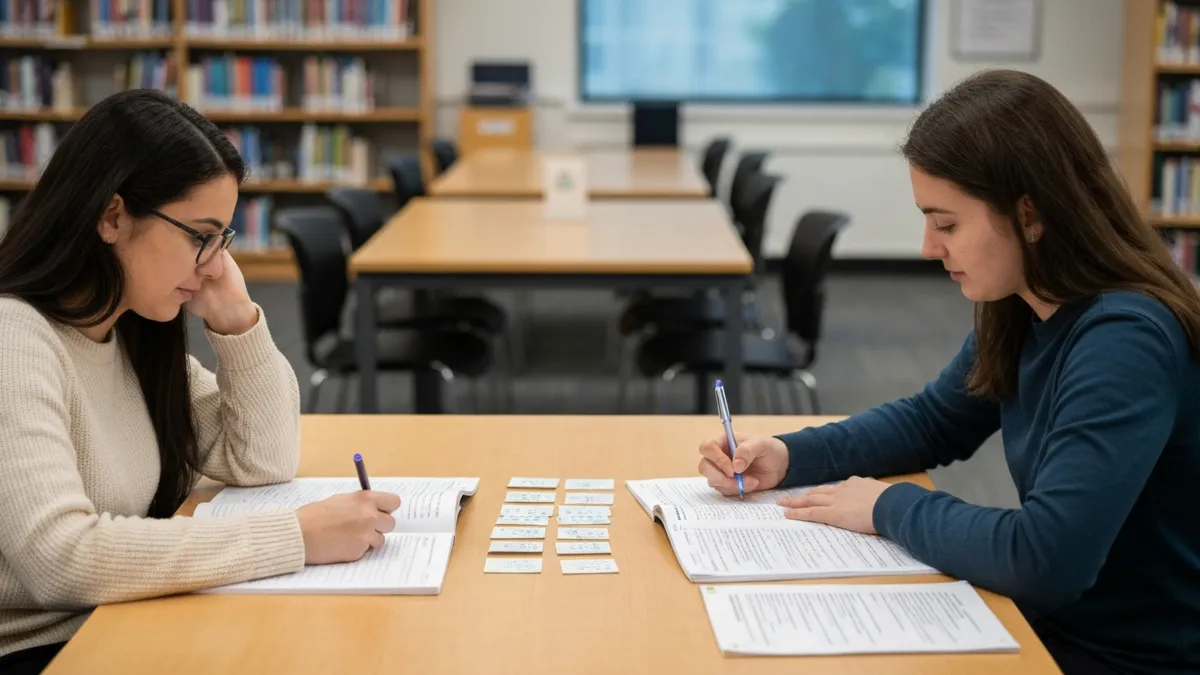
Study groups and peer preparation networks also offer indirect cost savings by pooling resources. If you and two or three fellow candidates each purchase a different premium prep resource and share notes, question compilations, and practice materials, you effectively triple your access to paid content at one-third the individual cost.
While sharing login credentials for subscription-based platforms is typically against terms of service, sharing physical books, printed materials, and personally compiled notes is entirely legitimate and can dramatically reduce the per-person cost of a comprehensive preparation program. Building these networks early in the study cycle is therefore both academically and financially advantageous.
Comparing GAMSAT Cost Options: DIY vs. Courses vs. Tutoring
The self-study approach is the most budget-friendly path to the GAMSAT, and it can be highly effective for disciplined, self-motivated candidates. A self-study plan typically combines official ACER practice materials (AUD $100–$150), free Khan Academy science content, and community-sourced resources from GAMSAT forums. Total out-of-pocket costs using this approach can stay below AUD $200 per sitting, making it the preferred choice for candidates with strong foundational science knowledge and excellent time management skills.
The trade-off with self-study is the absence of structured feedback and guidance. Without a teacher or coach to review your Section II essays or explain difficult organic chemistry mechanisms, progress can be slower and errors can go uncorrected for longer. Candidates who choose self-study successfully tend to be highly analytical, comfortable identifying their own gaps, and able to access a community of fellow candidates for informal peer review. This approach works best when started six to twelve months before the exam date, allowing sufficient time to build deep content knowledge across all three sections at a self-directed pace.

Is the GAMSAT Cost Worth the Investment?
- +A strong GAMSAT score opens doors to competitive medical and dental programs with excellent career prospects
- +The exam can be sat multiple times, giving candidates the opportunity to improve their score with each attempt
- +Many free and low-cost preparation resources are available, keeping total costs manageable for budget-conscious candidates
- +Fee reductions are available for eligible concession cardholders in Australia, reducing the registration burden significantly
- +Investing in quality prep resources the first time often costs less overall than paying for multiple resits due to under-preparation
- +The GAMSAT score is typically valid for multiple application cycles, meaning a high score can be used across several years of medical school applications
- −The standard registration fee alone is AUD $370 per sitting, and multiple sittings can push total registration costs above AUD $1,000
- −Premium prep courses can cost $200–$600 or more, adding substantially to the overall financial burden on candidates
- −Travel and accommodation costs for candidates not located near a testing center can add hundreds of dollars per sitting
- −Private tutoring at $80–$150 per hour can become a significant expense for candidates who require extensive one-on-one support
- −There is no guarantee that preparation spending will result in a competitive score, making the financial risk real for every candidate
- −Fee reduction schemes are only available in certain countries and only for specific eligibility criteria, excluding many international candidates from discounts
GAMSAT Cost Planning Checklist
- ✓Check the current ACER website for the exact registration fee for your testing country and cycle before budgeting
- ✓Determine whether you qualify for the ACER fee reduction scheme (Healthcare Card or Pensioner Concession Card in Australia)
- ✓Register before the standard deadline to avoid paying the late entry surcharge of approximately AUD $50
- ✓Purchase all available official ACER practice materials as the foundation of your preparation before buying third-party resources
- ✓Identify your weakest GAMSAT section before spending money on premium prep courses so you can buy only what you need
- ✓Research free resources such as Khan Academy, GAMSAT Reddit communities, and YouTube science channels before committing to paid content
- ✓Build or join a peer study group to share notes and practice materials, reducing per-person prep costs
- ✓Calculate the total cost of one versus two potential sittings to inform how much you should invest in first-attempt preparation
- ✓Set aside a contingency fund equivalent to one additional registration fee in case a resit becomes necessary
- ✓Compare tutoring platforms for current rates and read reviews from previous GAMSAT candidates before booking sessions
Spending More on Prep Can Cost Less Overall
Candidates who invest adequately in preparation materials before their first sitting are statistically less likely to require costly resits. A single additional sitting at AUD $370 costs more than most premium prep courses — meaning quality preparation is not just academically smart, it is the most financially rational strategy available to GAMSAT candidates.
The decision of how many times to sit the GAMSAT has significant financial implications that every candidate should think through carefully before registering for the first time. Many medical schools across Australia, Ireland, and the United Kingdom accept a candidate's best score from their most recent two or three sittings — a policy that can make resitting strategically worthwhile even for candidates who achieve a passing score on their first attempt.
However, each resit at the full registration fee of roughly AUD $370 is a real financial cost, and the decision to resit should be based on realistic self-assessment rather than optimism alone.
Understanding how GAMSAT scoring works is essential for planning your resit strategy. The GAMSAT is scored on a scale from 0 to 100, with the overall score calculated as a weighted average of the three section scores: Section I and Section II are each weighted at 25 percent of the overall score, while Section III carries a 50 percent weighting.
Most medical schools in Australia look for an overall score of around 50 to 55 for initial eligibility, with competitive scores at preferred institutions typically falling in the 60s or higher. Knowing where you stand relative to these benchmarks helps you assess whether a resit investment is justified by your realistic potential for improvement.
Some candidates adopt what is sometimes called a double-sitting strategy, registering for both the March and September sittings in the same year from the outset. This approach effectively doubles the registration fee upfront but gives candidates two opportunities to achieve a high score within a single application cycle.
Proponents of this strategy argue that the certainty of having two attempts reduces preparation pressure and allows for a more measured approach to exam day, potentially improving performance on both sittings. Critics note that committing to two sittings before seeing first results may be financially premature for candidates who could achieve their target score in a single well-prepared sitting.
The financial calculus of resitting changes dramatically when you factor in the opportunity cost of preparation time. If preparing adequately for a second sitting requires you to reduce paid work hours, delay a postgraduate degree, or take time away from other income-generating activities, the true cost of a resit extends well beyond the registration fee.
A candidate who earns $30 per hour and spends three months of reduced work hours preparing for a second GAMSAT sitting may incur thousands of dollars in lost income — far exceeding any savings achieved by choosing cheaper prep materials. This broader financial picture is rarely discussed in GAMSAT preparation guides but is critically important for candidates weighing resit decisions.
Score release timing also affects the financial planning of candidates considering resits. ACER typically releases GAMSAT results approximately seven to eight weeks after each sitting. This timeline means that candidates who sit the March exam receive their results in late May or June — giving them several months to decide whether to register for the September sitting.
Because late entry surcharges apply after the registration deadline closes, candidates who wait for their March results before deciding on a September resit must act quickly to avoid paying the additional fee. Building this decision point into your financial calendar in advance prevents being caught off guard by a compressed timeline.
Candidates resitting specifically to improve a single section should analyze their score breakdown carefully before investing in further preparation. The section-specific scoring data provided with your results report can highlight exactly where improvement is needed — whether that is reading comprehension in Section I, essay quality in Section II, or scientific reasoning in Section III.
Targeted resit preparation that focuses exclusively on your weakest section is far more cost-effective than attempting to improve across all three sections equally. Many prep providers offer section-specific question banks and courses for this exact purpose, allowing resitting candidates to invest only in the content areas that matter most for their score improvement goals.
It is also worth noting that the total financial investment in GAMSAT preparation and registration is still modest compared to the long-term financial returns of a successful medical career. The lifetime earnings premium associated with becoming a doctor in Australia, Ireland, or the United Kingdom typically exceeds $1 million compared to alternative career paths — meaning that even a total GAMSAT spending of $2,000 to $3,000 across preparation and multiple sittings represents a return on investment that is difficult to match in any other professional examination context.
Keeping this perspective in mind can help candidates make rational spending decisions rather than becoming so cost-conscious that they underinvest in preparation and limit their chances of success.

ACER imposes a late entry surcharge of approximately AUD $50 on candidates who register after the standard deadline. Registration deadlines typically fall several months before the March and September sittings — check the ACER website as soon as exam dates are announced to secure your place at the standard fee. Fee reduction applications must also be submitted at registration and cannot be applied retroactively.
Financial aid and fee reduction options for GAMSAT candidates are more limited than those available for many other standardized tests, but the programs that do exist can provide meaningful relief for eligible individuals. In Australia, ACER administers a concession pricing scheme that reduces the standard registration fee by approximately 50 percent for candidates who hold a current Healthcare Card or Pensioner Concession Card issued by Centrelink.
This reduction brings the Australian registration fee down from roughly AUD $370 to approximately AUD $185, which is a substantial saving for candidates who qualify under the scheme and who may be sitting the exam multiple times.
To access the concession fee, candidates must indicate their eligibility during the online registration process and be prepared to provide their concession card number as verification. ACER may conduct audits of concession claims, so candidates should only apply for the reduced fee if they genuinely hold a valid qualifying card. Attempting to fraudulently claim a concession discount is a violation of ACER's registration terms and conditions and could result in disqualification. Candidates whose concession card expires between registration and the exam date should check with ACER about whether the discounted fee still applies in that situation.
University hardship funds and bursaries represent another potential source of financial assistance for GAMSAT candidates. Many Australian, Irish, and UK universities that accept the GAMSAT as an admissions requirement also offer hardship funds that can be accessed by current students experiencing financial difficulty. These funds are typically administered by the student welfare or financial assistance office and are assessed on a case-by-case basis. If you are a current undergraduate student at a university that is affiliated with a medical school accepting GAMSAT scores, it is worth enquiring whether hardship fund provisions cover standardized test registration fees as an eligible expense.
Some state and territory governments in Australia have also periodically offered grants or subsidies aimed at supporting students from regional or low-income backgrounds who are pursuing medicine. These programs are not universally available and tend to open and close based on government budget cycles, but they are worth researching for candidates who might qualify. Contacting the careers or vocational guidance service at your current institution is a practical first step toward identifying what financial support may be available in your specific location and circumstances.
Employer-sponsored study assistance is another avenue that is underutilized by many GAMSAT candidates who are working while preparing for the exam. If you are currently employed in a healthcare, science, research, or education-related role, your employer may have study assistance provisions under your enterprise agreement or employment contract that could cover all or part of the cost of GAMSAT registration and preparation materials. These benefits are typically accessed by submitting a formal study assistance application to your HR department and demonstrating that the examination is relevant to your professional development or career goals within the organization.
Tax deductibility of GAMSAT-related expenses is a nuanced area that varies significantly by country and individual circumstances. In Australia, the Australian Taxation Office generally allows deductions for self-education expenses that are directly connected to your current employment — but if you are seeking to enter a new profession (such as medicine) rather than improving skills in your current role, GAMSAT costs may not be deductible.
The rules around this distinction are complex, and candidates should consult a registered tax agent before claiming any GAMSAT-related deductions on their tax return. In Ireland and the United Kingdom, similar principles apply under the respective tax authority guidelines, and professional advice is equally recommended.
Whatever financial assistance options you pursue, maintaining detailed records of all GAMSAT-related expenditures is good practice. Keep receipts for registration fees, prep course purchases, tutoring sessions, and travel expenses, as these records may be needed for tax purposes, scholarship applications, or hardship fund claims. Creating a dedicated folder — physical or digital — for all GAMSAT financial documentation from the moment you begin the registration process ensures you have everything you need when tax time arrives or when applying for any form of retrospective financial assistance that may become available during your preparation journey.
Making the most of your GAMSAT investment requires a preparation strategy that is not just academically rigorous but also financially intelligent. The candidates who achieve the best outcomes — a competitive score on their first or second attempt — consistently share a set of practical habits that allow them to study smarter rather than simply spending more. Understanding and implementing these habits early in your preparation journey can significantly reduce your total GAMSAT cost while simultaneously improving your chances of reaching your target score.
Start your preparation with a diagnostic assessment before spending any money on resources. Many free diagnostic tools are available through GAMSAT forums, peer study groups, and even the official ACER sample materials. By completing a structured diagnostic early, you can identify which sections and sub-topics represent your greatest weaknesses and prioritize your spending accordingly. A candidate who discovers early that Section III organic chemistry is their primary weakness can invest specifically in that area rather than purchasing comprehensive courses that cover content they already understand well.
Create a study timeline that accounts for the full cost of preparation across the months leading up to your exam date. A realistic timeline for first-time GAMSAT candidates is typically six to twelve months of dedicated study, with more experienced science candidates sometimes preparing effectively in three to six months. Within this timeline, allocate your resource spending in phases: foundation knowledge building in the early months using primarily free resources, followed by structured practice using official ACER materials, and then targeted gap-filling using any paid resources that address remaining weaknesses in the final weeks before the exam.
Prioritize practice over passive review as your exam date approaches. The GAMSAT rewards reasoning ability above rote memorization — particularly in Sections I and III — meaning that working through a high volume of practice questions and reviewing your errors carefully is more valuable per hour than re-reading textbooks. Maximizing your use of the official ACER practice question banks and any third-party question resources you have purchased ensures you get the highest return on every dollar spent. Track your performance by section and topic over time to confirm that your scores are improving and your preparation strategy is working.
Manage exam-day logistics costs with the same discipline you apply to preparation spending. Book your accommodation and transport for the exam date as early as possible once you have confirmed your testing center location, as last-minute bookings for city-center accommodation on exam weekends can be significantly more expensive than advance bookings.
If possible, conduct a trial run of the journey to your testing center before exam day to confirm travel times and eliminate the risk of arriving late due to navigation issues. These small logistical preparations cost nothing but can prevent the kind of unnecessary stress that negatively affects exam performance.
After receiving your GAMSAT results, take time to analyze your score report carefully before making any decisions about resitting. ACER provides a breakdown of performance by section, which reveals not just your overall score but the relative strengths and weaknesses across the three sections.
Compare your scores against the published entry requirements for the medical schools you are targeting to determine objectively whether a resit is warranted. If your score is within the competitive range for your preferred institutions and the difference between your actual score and a resit target score is small, the financial and time cost of resitting may not be justified. Make this decision based on data, not anxiety.
Finally, connect with a community of fellow GAMSAT candidates — both those currently preparing and those who have already sat the exam — to continuously update your knowledge of the most cost-effective preparation strategies. The GAMSAT preparation landscape evolves from year to year as new resources become available, pricing structures change, and experienced candidates share what worked and what did not.
Online communities, university-based study groups, and social media networks all offer access to this collective wisdom at no cost. Staying connected to these communities throughout your preparation ensures that your approach remains current, well-informed, and as financially efficient as possible given your individual circumstances and goals.
GAMSAT Questions and Answers


About the Author

Educational Psychologist & Academic Test Preparation Expert
Columbia University Teachers CollegeDr. Lisa Patel holds a Doctorate in Education from Columbia University Teachers College and has spent 17 years researching standardized test design and academic assessment. She has developed preparation programs for SAT, ACT, GRE, LSAT, UCAT, and numerous professional licensing exams, helping students of all backgrounds achieve their target scores.
Join the Discussion
Connect with other students preparing for this exam. Share tips, ask questions, and get advice from people who have been there.
View discussion (8 replies)