

FSD Practice Test
Updated for October 2026Fire and smoke dampers are critical components in building safety, designed to prevent the spread of fire and smoke through ductwork in heating, ventilation, and air conditioning (HVAC) systems. The Fire and Smoke Damper (FSD) Certification equips professionals with the specialized knowledge and skills required to inspect, test, and maintain these vital safety devices.
Achieving FSD certification validates your expertise in ensuring compliance with safety codes and standards such as those established by the National Fire Protection Association (NFPA). Certified professionals are essential for protecting property and lives by minimizing fire hazards in commercial and residential buildings.
This article provides an in-depth overview of preparing for the FSD certification exam, including eligibility requirements, exam content, preparation methods, career advantages, and the core duties of certified inspectors. Whether you are new to fire safety systems or a seasoned technician seeking formal recognition, this guide offers essential insights to succeed.
FSD Practice Test Questions
Prepare for the FSD - Fire and Smoke Damper Certification exam with our free practice test modules. Each quiz covers key topics to help you pass on your first try.
FSD Actuators, Controls & Automatic Operation
FSD Exam Questions covering Actuators, Controls & Automatic Operation. Master FSD Test concepts for certification prep.
FSD Blueprint Reading & Technical Drawing
Free FSD Practice Test featuring Blueprint Reading & Technical Drawing. Improve your FSD Exam score with mock test prep.
FSD Building Codes & Safety Standards
FSD Mock Exam on Building Codes & Safety Standards. FSD Study Guide questions to pass on your first try.
FSD Fire & Smoke Damper Installation & Mai...
FSD Test Prep for Fire & Smoke Damper Installation & Maintenance. Practice FSD Quiz questions and boost your score.
FSD Documentation & Record Keeping
FSD Questions and Answers on FSD Documentation & Record Keeping. Free FSD practice for exam readiness.
FSD Troubleshooting & Repair
FSD Mock Test covering FSD Troubleshooting & Repair. Online FSD Test practice with instant feedback.
FSD HVAC Systems & Airflow Control
Free FSD Quiz on HVAC Systems & Airflow Control. FSD Exam prep questions with detailed explanations.
FSD Inspection & Testing Procedures
FSD Practice Questions for Inspection & Testing Procedures. Build confidence for your FSD certification exam.
FSD Materials & Specifications
FSD Test Online for Materials & Specifications. Free practice with instant results and feedback.
Key Takeaways
Free FSD Practice Test Online
The FSD certification confirms proficiency in inspecting, testing, and maintaining fire and smoke dampers to meet regulatory standards.
Certification candidates must understand fire protection codes, damper operation, installation requirements, and testing procedures.
Preparation includes studying relevant codes (e.g., NFPA 80 and 105), hands-on training, and review of testing protocols.
Certification enhances job prospects, professional credibility, and compliance with industry safety requirements.
Certified inspectors play a vital role in preventing fire and smoke damage in buildings, ensuring occupant safety.
What is the Fire and Smoke Damper Certification?
The Fire and Smoke Damper Certification is a credential offered by recognized industry organizations and training providers to professionals responsible for the inspection and maintenance of fire and smoke dampers. These dampers are mechanical devices installed in HVAC ductwork that automatically close upon detection of fire or smoke, limiting the spread within a building.
Certification programs assess knowledge of:
Damper design, types, and installation requirements
Applicable fire and building codes, including NFPA 80 (Standard for Fire Doors and Other Opening Protectives) and NFPA 105 (Standard for Smoke Door Assemblies and Other Opening Protectives)
Inspection, testing, and maintenance procedures
Safety practices and documentation requirements
Troubleshooting and repair techniques
Certified professionals ensure that dampers function correctly, are code-compliant, and maintain building safety standards.
- ✓Confirm your exam appointment and location
- ✓Bring required identification documents
- ✓Arrive 30 minutes early to check in
- ✓Read each question carefully before answering
- ✓Flag difficult questions and return to them later
- ✓Manage your time — don't spend too long on one question
- ✓Review flagged questions before submitting
Eligibility and Requirements for FSD Certification
Candidates pursuing FSD certification typically must meet the following requirements:
Relevant Work Experience
Prior experience in fire protection, HVAC, or building inspection is generally preferred.Completion of Training Courses
Attend approved fire and smoke damper training programs covering theory and practical applications.Passing the Certification Exam
Successfully complete a written and/or practical exam assessing knowledge and skills related to fire and smoke dampers.Compliance with Continuing Education
Maintain certification through ongoing training and re-certification as required by certifying bodies.
Meeting these requirements ensures that certified inspectors possess the expertise needed for this safety-critical role.

Preparing for the FSD Certification Exam
Effective preparation is crucial for exam success. Consider the following strategies:
Study NFPA Standards and Building Codes
Focus on NFPA 80 and NFPA 105, as well as local building codes that regulate damper installation and maintenance.Participate in Hands-On Training
Engage in practical sessions involving damper inspection, testing methods, and troubleshooting.Review Manufacturer Guidelines
Understand specific damper models, installation instructions, and maintenance recommendations.Use Study Guides and Practice Tests
Access official materials and sample questions to familiarize yourself with exam format and content.Join Study Groups or Workshops
Collaborate with peers and instructors to clarify difficult concepts and exchange knowledge.
Career Benefits of Fire and Smoke Damper Certification
Obtaining the FSD certification offers numerous career advantages:
Increased Employability
Certified professionals are highly sought after by fire safety firms, building management companies, and HVAC contractors.Enhanced Professional Credibility
Certification demonstrates expertise and commitment to safety standards, increasing trust from employers and clients.Competitive Salary Potential
Certified inspectors often command higher wages due to their specialized skills.Regulatory Compliance
Certified individuals help organizations meet legal obligations, avoiding fines and enhancing safety.Opportunities for Advancement
Certification can open doors to supervisory roles, consultancy positions, and specialized technical jobs.
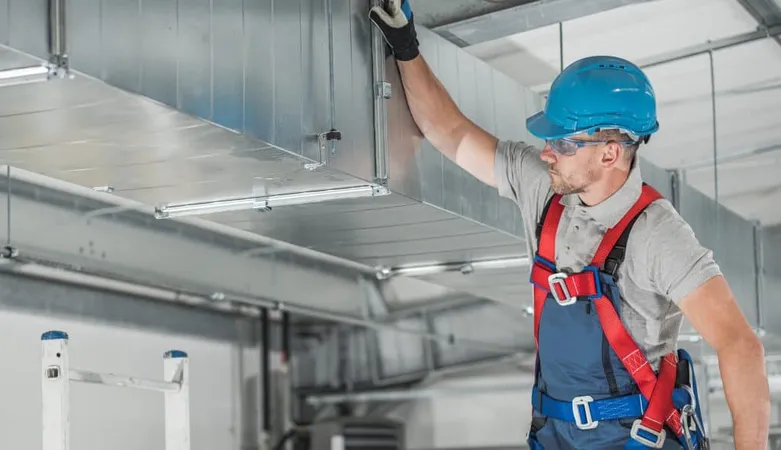
Responsibilities of a Certified Fire and Smoke Damper Inspector
Certified FSD inspectors are responsible for:
Conducting thorough inspections and functional tests of fire and smoke dampers
Documenting inspection results and maintenance activities
Identifying and reporting deficiencies or non-compliance with codes
Advising building owners or managers on corrective actions
Ensuring that dampers are maintained in operational condition according to manufacturer and code requirements
Coordinating with fire safety engineers, contractors, and regulatory officials
These responsibilities require a detail-oriented approach and strong knowledge of safety standards.

Conclusion
The Fire and Smoke Damper Certification is an essential credential for professionals dedicated to building safety and fire prevention. By mastering the relevant codes, gaining hands-on experience, and preparing thoroughly for the certification exam, you position yourself for a rewarding career in fire safety inspection and maintenance. Certified inspectors play a vital role in protecting lives and property by ensuring fire and smoke dampers operate effectively when needed most.
FSD: Pros and Cons
- +FSD certification validates expertise recognized by employers nationwide
- +Certified professionals typically earn 15-20% higher salaries
- +Opens doors to advanced positions and leadership roles
- +Demonstrates commitment to professional standards and ethics
- +Builds a strong professional network through certification communities
- −Exam preparation typically requires 2-4 months of dedicated study
- −Certification and exam fees can range from $150-$500+
- −Must complete continuing education to maintain active certification
- −Pass rates vary — thorough preparation is essential for success
- −Some certifications require prerequisite experience or education
Pros and Cons at a Glance
| Pros | Cons |
|---|---|
| FSD certification validates expertise recognized by employers nationwide | Must complete continuing education to maintain active certification |
| Opens doors to advanced positions and leadership roles | Pass rates vary — thorough preparation is essential for success |
| Demonstrates commitment to professional standards and ethics | Some certifications require prerequisite experience or education |
Sample Fire and Smoke Damper Certification Practice Questions
Try these questions from our free Fire and Smoke Damper Certification practice tests. The correct answer and an explanation follow each question.
What does UL 555 classify?
- A. Smoke dampers
- B. Fire dampers
- C. Combination fire/smoke dampers
- D. Ceiling radiation dampers
Answer: B. Fire dampers
UL 555 is the standard for fire dampers, covering their construction, performance, and ratings.
Which foundational principle is MOST important for success in Fire and Smoke Damper Certification?
- A. Maximizing financial returns
- B. Commitment to continuous learning, ethical practice, and quality outcomes
- C. Maintaining minimum certification requirements
- D. Specializing in only one narrow area
Answer: B. Commitment to continuous learning, ethical practice, and quality outcomes
Success requires continuous learning, ethical practice, and focus on quality outcomes.
What action does the IBC require when a duct penetrates a fire wall?
- A. Install a smoke damper only
- B. Install a fire damper with rating equal to the wall
- C. Install a combination fire/smoke damper
- D. Seal the duct with fire-rated sealant only
Answer: B. Install a fire damper with rating equal to the wall
The IBC requires a fire damper rated equal to the fire wall's rating at duct penetrations of fire walls.
In a return-air plenum system, why is fire damper installation at rated wall penetrations critical?
- A. Return plenums operate at positive pressure, which opens fire dampers
- B. Plenums can spread smoke and hot gases rapidly throughout the building
- C. Return air is cooler, so fusible links must be rated lower
- D. NFPA 90A exempts plenum penetrations from damper requirements
Answer: B. Plenums can spread smoke and hot gases rapidly throughout the building
Return air plenums act as large, connected pathways above ceilings; without dampers at rated wall penetrations, they can carry smoke and combustion gases across fire barriers to remote areas.
Take the full Fire and Smoke Damper Certification practice test
FSD Questions and Answers
About the Author

Paramedic & Emergency Services Certification Trainer
George Washington UniversityCaptain Ryan O'Brien is a licensed paramedic and NREMT-certified emergency medical professional with a Bachelor of Science in Emergency Medical Services from George Washington University. He has 15 years of field experience as a paramedic and firefighter, and has coached hundreds of EMT and paramedic candidates through their NREMT written and psychomotor licensing examinations.
Join the Discussion
Connect with other students preparing for this exam. Share tips, ask questions, and get advice from people who have been there.
View discussion (7 replies)