Mastering Fire Alarm Control Panel Certification
✓ FREE FACP Certification 2026 online exam prep. Get access to 24+ practice questions with answers and explanations to pass your FACP test. ⭐ [Updated Marc

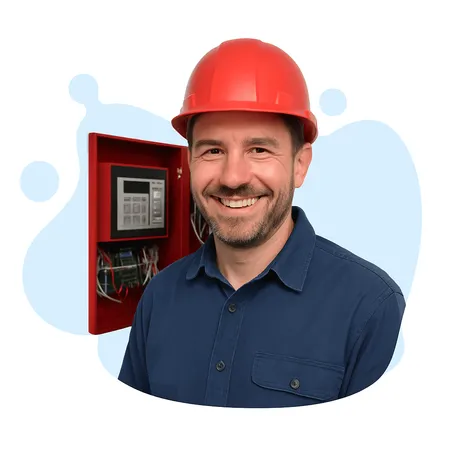
A Fire Alarm Control Panel (FACP) is the heart of a fire alarm system, responsible for receiving and processing information from sensors and initiating necessary emergency responses. As building safety codes grow more complex and technology evolves, the demand for certified professionals who can install, inspect, and maintain fire alarm systems has increased significantly. Fire Alarm Control Panel Certification validates a technician’s proficiency in these systems, ensuring public safety and compliance with legal regulations.
Whether you are a seasoned fire safety technician or someone pursuing a career in life safety systems, understanding this certification is essential for professional growth and compliance with national fire safety standards.
Key Takeaways
- Fire Alarm Control Panel Certification is crucial for anyone working in fire alarm installation, inspection, or maintenance.
- It enhances job opportunities, compliance, and safety standards.
- Certification typically involves education, experience, and a formal exam.
- National codes like NFPA 72 guide the practice and standards of certified professionals.
- Certified technicians enjoy competitive salaries and strong job security.
Fire Alarm Control Panel Certification
Fire Alarm Control Panel Certification is typically part of a broader certification in fire alarm systems. This certification confirms that a technician understands the operation, maintenance, installation, and troubleshooting of fire alarm systems, including the FACP.
Some of the most recognized certifications include:
NICET (National Institute for Certification in Engineering Technologies) Fire Alarm Systems Certification
NFPA (National Fire Protection Association) compliance training
State or municipal licensing requirements based on local building and fire codes

FREE FACP Codes, Standards, and Regulations Questions and Answers
Free Fire Alarm Control Panel Certification practice test covering free facp codes, standards, and regulations questions and answers. Prepare for the exam with targeted practice questions.
Start FREE Test
FREE FACP Fire Alarm System Design and Layout Questions and Answers
Fire Alarm Control Panel Certification exam practice questions on free facp fire alarm system design and layout questions and answers. Test your knowledge and boost your confidence.
Start FREE Test
FREE FACP Installation and Wiring Practices Questions and Answers
Practice Fire Alarm Control Panel Certification questions focusing on free facp installation and wiring practices questions and answers. Essential review for your certification exam.
Start FREE Test
FREE FACP Testing, Inspection, and Maintenance Questions and Answers
Fire Alarm Control Panel Certification test prep covering free facp testing, inspection, and maintenance questions and answers. Master key concepts and improve your exam readiness.
Start FREE Test
Benefits of Fire Alarm Control Panel Certification
Certificatilon provides a number of benefits for both individuals and employers in the fire protection industry.
For technicians:
Demonstrates credibility and technical competence
Increases employability and earning potential
Ensures up-to-date knowledge of industry standards and best practices
Qualifies for higher-level roles and project responsibilities
For employers and clients:
Enhances trust in the installation and service quality
Helps meet legal and insurance requirements
Minimizes liability risks by ensuring systems are properly maintained
Supports compliance with local, state, and federal fire safety regulations
Who Needs Fire Alarm Control Panel Certification
The certification is ideal for individuals working in:
Fire alarm installation companies
Electrical and life safety system contractors
Facility maintenance and building management
Engineering and architectural firms specializing in building safety
Government agencies responsible for code enforcement and safety inspections
Professionals in these roles are typically involved in the design, installation, testing, inspection, and repair of fire alarm systems, all of which require deep familiarity with control panel operations.
Certification Requirements and Process
While requirements vary by certifying body and location, the general process includes:
Prerequisites:
A high school diploma or GED
Relevant technical experience (often 2–5 years)
Basic knowledge of electronics and electrical systems
Certification Steps:
Education or training: Complete coursework or attend training sessions related to fire alarm systems, which may be offered by community colleges, trade schools, or manufacturers.
Application: Submit your application with proof of experience and/or education.
Exam: Pass a comprehensive exam that tests knowledge in installation, system operation, codes and standards (especially NFPA 72), inspection, and troubleshooting.
Continuing education: Maintain certification through ongoing education and periodic renewal, usually every 3–5 years.
Certifications such as NICET require different levels of expertise (Level I to IV), allowing professionals to advance over time.
National Standards and Code Compliance
Fire alarm control panel certifications are closely tied to national and international fire safety standards. The most commonly referenced code is:
NFPA 72: National Fire Alarm and Signaling Code – Provides installation, performance, and maintenance guidelines for fire alarm systems, including control panels.
Certified professionals must understand how to interpret and apply NFPA 72, local building codes, and other relevant standards such as the International Building Code (IBC) and OSHA fire protection guidelines.