
FDNY Commissioner: Role, History, and How Position Works 2026 October
FDNY Commissioner guide: role and responsibilities, history, current commissioner, appointment process, and how position fits NYC government structure. ⏳
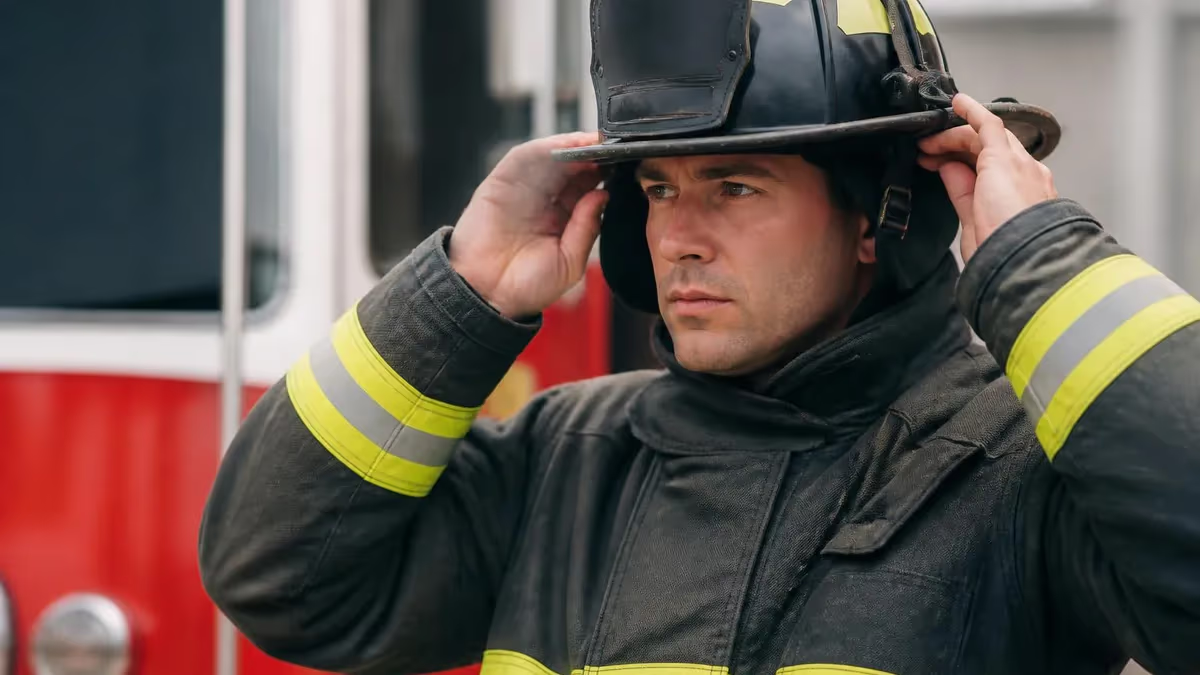
The FDNY Commissioner serves as the chief administrator of the New York City Fire Department, the largest municipal fire department in the United States with approximately 11,000 firefighters and EMS personnel responding to over 1.5 million emergencies annually. The Commissioner manages department operations, budget, personnel decisions, and policy direction while reporting to the Mayor of New York City. Whether you're researching FDNY structure, considering FDNY career path, or interested in NYC government, understanding the Commissioner role helps comprehend how this critical public safety agency operates.
For FDNY Commissioner specifically, several patterns matter. Appointed by the Mayor of NYC. Serves at Mayor's pleasure (no fixed term). Manages 11,000+ uniformed personnel. Oversees budget exceeding $2 billion annually. Works with Fire Commissioner-appointed Chief of Department on operational matters. Each role element supports comprehensive department leadership. Quality FDNY Commissioner leadership substantially affects NYC public safety outcomes.
For department structure specifically, FDNY structure includes both administrative and operational hierarchies. Commissioner heads administrative side. Chief of Department heads operational side (uniformed firefighting). Deputy Commissioners manage specific functional areas. Borough Commands handle geographic divisions. Specific units (Hazmat, SOC, Rescue) handle specialized response. Each structural element supports department functioning. Quality structural understanding helps comprehend Commissioner's authority and limitations.
This guide covers the FDNY Commissioner role comprehensively: responsibilities, history of the position, appointment process, current commissioner context, and how position fits NYC government. Whether you're researching FDNY for career interest or general curiosity, you'll find practical context here for understanding this critical NYC role.
Position: Chief administrator of NYC Fire Department
Appointed by: Mayor of New York City
Term: Serves at Mayor's pleasure (no fixed term)
Manages: 11,000+ uniformed personnel, $2B+ budget
Reports to: Mayor and ultimately NYC residents
For specific Commissioner responsibilities specifically, broad authority over department operations. Setting departmental policy direction. Managing budget and resource allocation. Making senior personnel decisions. Representing department in NYC government and public matters. Coordinating with other city agencies. Specific labor relations with firefighter unions. Each responsibility area requires substantial expertise. Quality Commissioner leadership balances operational, political, and labor considerations effectively.
For appointment process specifically, NYC Mayor appoints FDNY Commissioner. No City Council confirmation typically required (different from federal Cabinet). Commissioner can be removed by Mayor at any time. Specific appointment patterns reflect Mayor's priorities. Each appointment shapes department direction. Quality appointment matches Commissioner skills to department challenges and Mayor's vision for NYC public safety.
For Commissioner background specifically, several common backgrounds for FDNY Commissioners. Career firefighters rising through ranks (less common at top). Other NYC government experience. Federal government emergency management background. Private sector executive experience. Specific combination of skills affects effectiveness. Each background brings specific strengths and limitations. Quality understanding of background context helps interpret Commissioner decisions.
For Commissioner challenges specifically, several challenges face FDNY Commissioners. Managing massive organization (11,000+ personnel). Balancing operational and budget pressures. Labor relations with multiple unions. Political pressure from Mayor and other officials. Public expectations about response times and outcomes. Specific incidents requiring crisis management. Each challenge requires specific Commissioner attention. Quality Commissioner navigation of challenges affects department effectiveness substantially. The FDNY exam guide covers career entry into the department.
For department history specifically, FDNY history dates to 1865 establishment as Metropolitan Fire Department. Fire Commissioner role evolved over decades reflecting changing department complexity. Specific Commissioners have shaped department through reform efforts. Notable Commissioners include those overseeing September 11 response and recovery. Each historical period influenced current structure. Quality historical context helps understand current Commissioner decisions in long-term department evolution context.
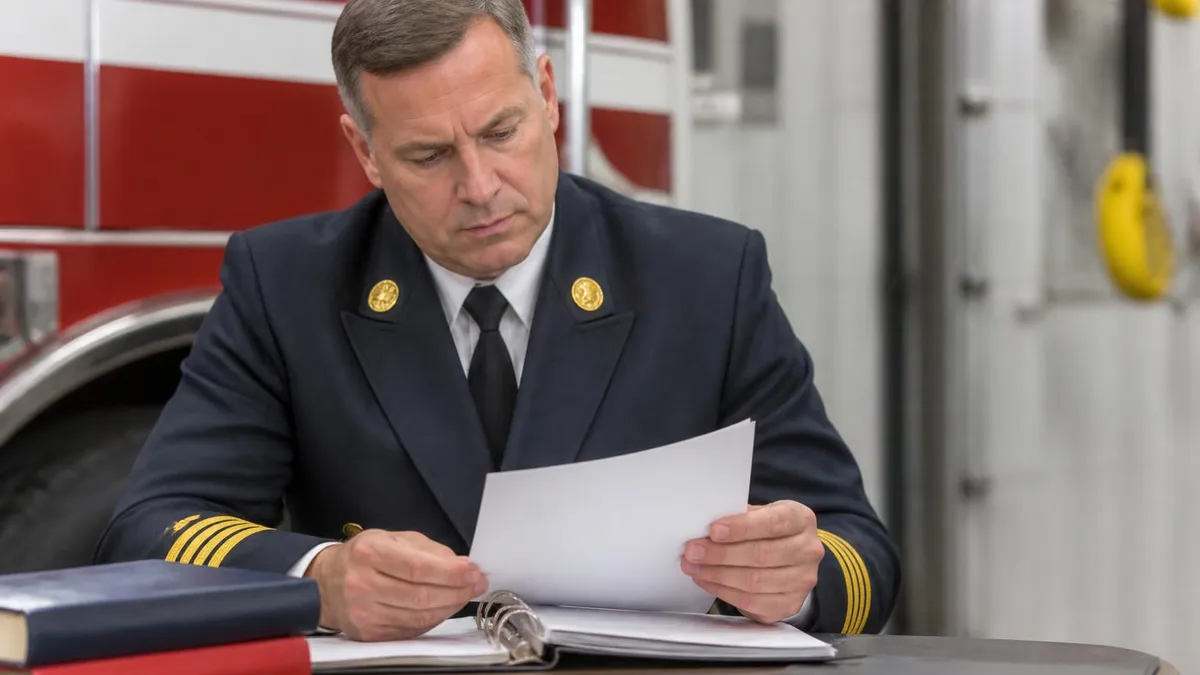
Commissioner Authority Areas
Setting departmental policies, training standards, operational procedures. Specific priorities reflect Mayor's vision and Commissioner's expertise. Major policy changes require Commissioner approval typically.
Managing $2+ billion annual department budget. Allocation across personnel, equipment, training, facilities. Negotiating with NYC budget office for funding levels. Significant fiscal responsibility.
Senior personnel appointments and removals. Command structure decisions. Promotion policies (within civil service constraints). Discipline matters at senior level. Major personnel authority within union and civil service rules.
Representing department with Mayor's office, City Council, other agencies, public. Media communication during crises. Coordination with state and federal partners. Substantial diplomatic responsibilities.
For Commissioner versus Chief of Department specifically, important distinction. Commissioner: civilian role appointed by Mayor, manages administrative and policy aspects. Chief of Department: uniformed firefighter (highest uniformed rank), commands operational firefighting matters. Both report ultimately to Mayor through different paths. Specific responsibilities sometimes overlap requiring coordination. Each role serves specific department needs. Quality coordination between Commissioner and Chief of Department essential for effective department operation.
For department demographics specifically, FDNY workforce demographics affect Commissioner work. Substantial diversity initiatives implemented over recent decades. Specific demographic targets and progress. Union dynamics with multiple representation organizations. Specific equity considerations in promotions and assignments. Each demographic element affects management. Quality Commissioner attention to demographics balances historical considerations with current workforce needs.
For specific labor relations specifically, FDNY has multiple labor unions. Uniformed Firefighters Association (UFA) represents firefighters. Uniformed Fire Officers Association (UFOA) represents officers. EMS unions represent EMS personnel. Specific contract negotiations periodic and consequential. Each union relationship requires Commissioner attention. Quality labor relations substantially affect department functioning and employee morale during contentious periods.
For specific 9/11 legacy specifically, September 11 attacks profoundly affected FDNY. 343 firefighters died in World Trade Center attacks. Commissioner role during recovery substantial. Memorial responsibilities continuing. Health effects on responders ongoing concern. Specific 9/11 considerations affect department culture decades later. Each 9/11 element shapes current Commissioner work. Quality respect for 9/11 legacy combined with forward-looking leadership important for current Commissioners.
For specific terror response specifically, FDNY substantial terror response capability post-9/11. Specialized units for various threat types. Training programs for terror response. Specific equipment and capabilities developed. Coordination with NYPD and federal agencies. Each terror response element requires Commissioner attention. Quality preparation for potential terror events affects NYC resilience substantially. The FDNY portal covers department information systems.
FDNY Commissioner Context
FDNY Commissioner in NYC structure:
- Appointed by: Mayor of New York City
- Cabinet level: Major NYC commissioner role
- Peer agencies: NYPD Commissioner, DOH Commissioner, others
- Coordination: Regular meetings with Mayor and other commissioners
- Authority: Substantial within department, limited by city policy framework
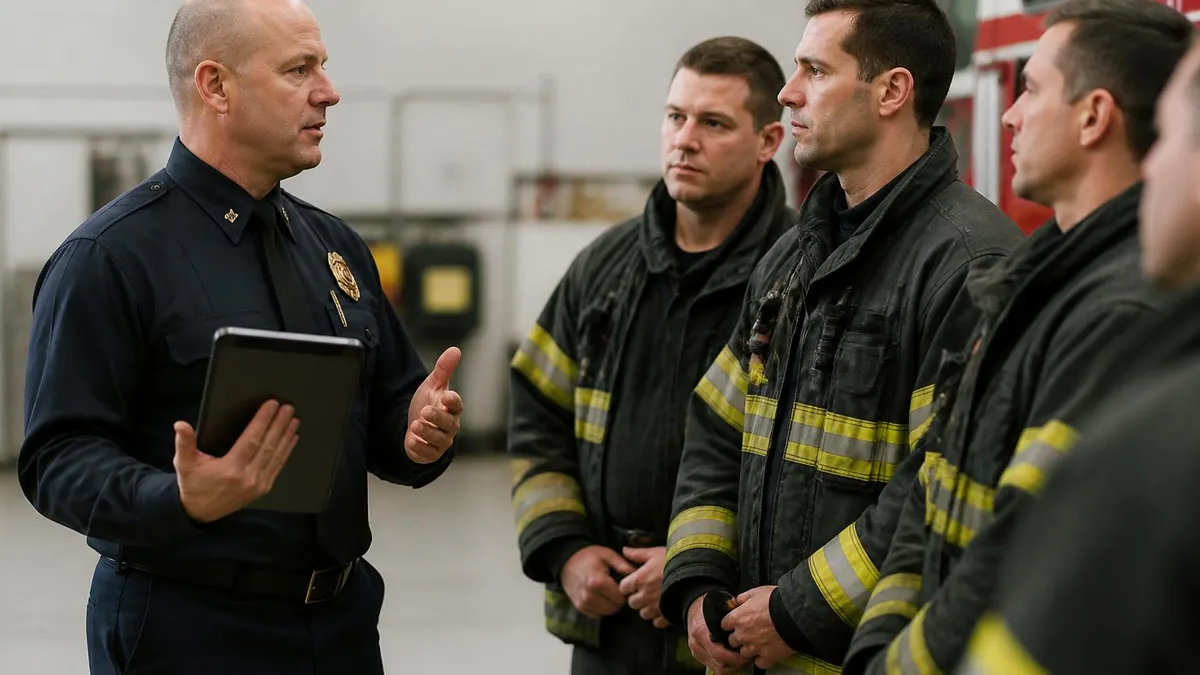
For specific Commissioner notable examples specifically, several FDNY Commissioners shaped the department. Thomas Von Essen served during September 11 attacks under Mayor Giuliani. Nicholas Scoppetta served under Mayor Bloomberg implementing reforms. Salvatore Cassano was first Italian-American Commissioner. Daniel Nigro served under Mayor de Blasio. Specific Commissioner contributions shaped department evolution. Each Commissioner left specific legacy on department.
For specific challenges in modern era specifically, current FDNY Commissioners face substantial challenges. Aging building stock affecting fire risks. Climate change affecting incident patterns. Mental health crisis affecting EMS demand. Specific equipment modernization needs. Recruitment and retention challenges. Each modern challenge requires Commissioner attention. Quality navigation of modern challenges shapes department's future capability and effectiveness.
For specific career paths specifically, FDNY careers extend from entry firefighter to Commissioner-level positions. Most Commissioners come from outside firefighting career path. Internal promotion to top operational positions through firefighter career. Specific career path differences between civilian Commissioner and uniformed Chief of Department. Each career path serves different department needs. Quality career planning depends on individual interests in operational vs administrative leadership.
For specific public engagement specifically, FDNY Commissioner substantial public face of department. Press conferences during major incidents. Community engagement activities. Specific outreach to vulnerable populations. Public education on fire safety. Each public engagement element affects department-community relationships. Quality public engagement builds trust substantially affecting department effectiveness during emergencies and routine operations.
For specific budget pressures specifically, FDNY budget faces ongoing pressures. Personnel costs (salaries, benefits, pensions) major component. Equipment modernization needs. Facility maintenance and replacement. Specific budget tradeoffs affect operational capability. Each budget pressure requires Commissioner attention. Quality budget management balances current needs with long-term capability investment in challenging fiscal environment.
FDNY Commissioner position reflects NYC government structure where Mayor holds substantial authority through commissioner appointments. Commissioner serves as Mayor's chosen leader for fire department reflecting Mayor's vision and priorities. When Mayor changes, Commissioner often changes too — new mayors typically appoint new commissioners aligned with their administration approach. This political accountability ensures responsiveness to elected leadership but creates some discontinuity at top. Career firefighters mostly serve through political transitions providing institutional continuity below Commissioner level. Quality understanding of this political-civilian-uniformed balance helps comprehend department dynamics.
For specific historical events specifically, FDNY history includes substantial events shaping Commissioner role. 1865 establishment as professional department. 1898 consolidation when Greater NYC formed. Multiple major fires throughout history. September 11, 2001 attacks fundamentally affecting department. Specific historical events shaped department culture. Each historical period affected department development. Quality historical awareness helps understand current Commissioner challenges in long-term context.
For specific equipment specifically, FDNY equipment includes substantial modern firefighting capability. Various engine companies (pumpers). Ladder companies. Rescue companies. Specialized vehicles for specific situations. EMS ambulances and specialized vehicles. Each equipment element supports specific operations. Quality Commissioner attention to equipment modernization affects operational capability over years.
For specific training specifically, FDNY training infrastructure substantial. Fire Academy on Randall's Island main training facility. Specific specialty training programs. Continuing education for current personnel. Officer development programs. Specific Commissioner influence over training direction. Each training element develops department capability. Quality training investment affects long-term department effectiveness.
For specific facilities specifically, FDNY facilities throughout NYC. 200+ firehouses across five boroughs. Headquarters building. Training facilities. Specific maintenance and support facilities. Each facility serves specific operational purpose. Quality facility maintenance and modernization supports department operations long-term. Commissioner attention to facility issues prevents operational degradation from poor facility conditions.
For specific technology specifically, FDNY uses substantial technology supporting operations. Computer-aided dispatch (CAD) systems. Mobile data terminals in vehicles. Building information systems. Specific specialized firefighting technology. Communication systems. Each technology element extends operational capability. Quality technology investment affects response effectiveness substantially in modern firefighting environment.
Understanding FDNY Commissioner Role
- ✓Recognize Commissioner appointed by NYC Mayor without City Council confirmation
- ✓Distinguish Commissioner (civilian) from Chief of Department (uniformed)
- ✓Understand Commissioner manages 11,000+ personnel and $2B+ budget
- ✓Recognize Commissioner reports to Mayor reflecting Mayor's priorities
- ✓Appreciate Commissioner faces substantial labor, budget, operational challenges
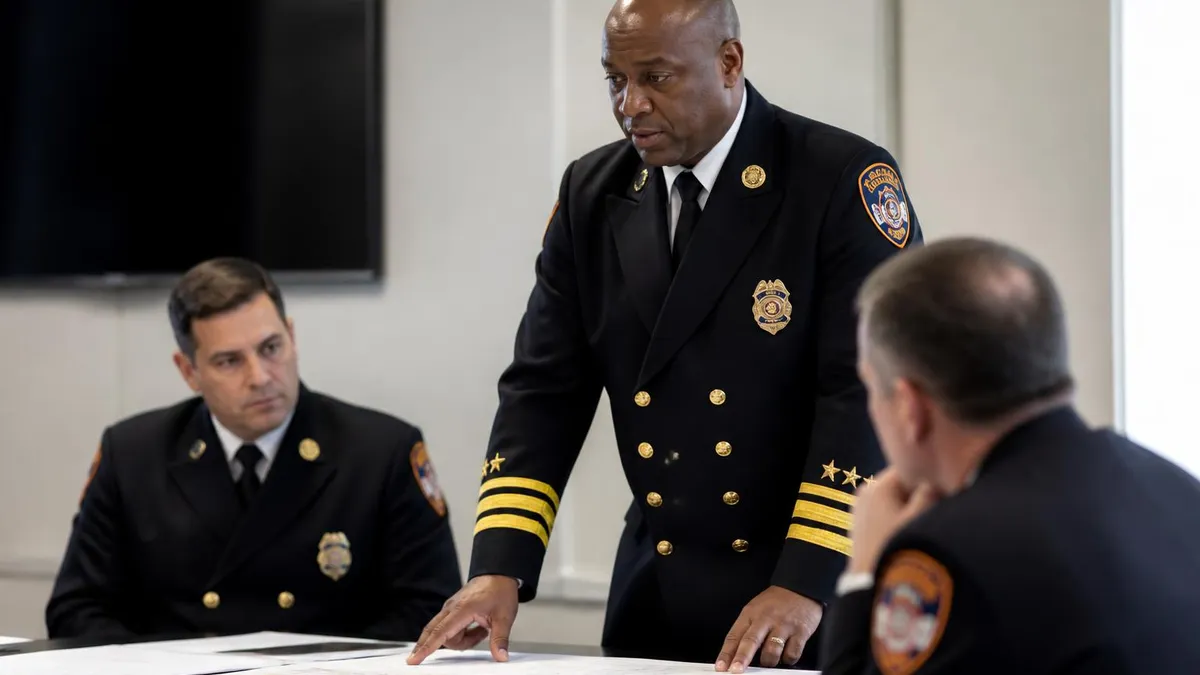
For specific Commissioner removal specifically, Mayor can remove Commissioner at any time without cause. No fixed term protects Commissioner from removal. Specific removals sometimes follow controversies or policy disagreements. Each removal reflects political accountability. Quality understanding of removability helps comprehend why Commissioners maintain alignment with Mayor's vision throughout tenure rather than pursuing independent direction conflicting with Mayor's priorities.
For specific Commissioner compensation specifically, FDNY Commissioner receives substantial NYC commissioner-level compensation. Salary in $200,000+ range typically. Pension benefits per NYC government structure. Health benefits and other standard NYC commissioner benefits. Specific compensation reflects role responsibility level. Each compensation element supports attracting qualified candidates. Quality compensation important for attracting candidates capable of managing complex large organization.
For specific Commissioner training specifically, no specific certification or training required for FDNY Commissioner role. Mayor selects based on perceived qualifications. Specific common qualifications include management experience, government experience, public safety background. Each qualification consideration affects Mayor's selection. Quality Commissioner selection depends on Mayor's judgment of candidate fit for current department challenges.
For specific Commissioner public visibility specifically, FDNY Commissioner substantially visible public figure. Press conferences during major incidents. Media interviews on department matters. Public events representing department. Specific high-profile incidents (major fires, terror events) substantially affect Commissioner visibility. Each visibility moment affects public perception. Quality public communication during high-visibility events shapes Commissioner reputation and department public standing.
For specific Commissioner legacy specifically, Commissioners create various legacies through their tenures. Reform initiatives. Major incident management. Personnel and culture changes. Specific equipment or facility improvements. Each Commissioner legacy reflects tenure contributions. Quality legacy matters both for individual Commissioner reputation and for department's long-term development through accumulated reforms and improvements over multiple Commissioner tenures.
For specific Commissioner crisis management specifically, major incidents test Commissioner capability. Multi-alarm fires requiring substantial resource coordination. Mass casualty incidents requiring EMS surge response. Terror events requiring specialized response and political coordination. Specific crisis communication during ongoing incidents. Each crisis tests Commissioner judgment substantially. Quality crisis management during major events shapes Commissioner reputation and department effectiveness perception more than routine management ever does.
For specific Commissioner political dynamics specifically, FDNY Commissioner navigates complex political environment. Mayor relationship critical given appointment and removal authority. City Council oversight on budget and policy matters. State and federal officials for some matters. Public scrutiny through media. Specific political sensitivities affect Commissioner decisions. Each political element requires Commissioner attention. Quality political navigation maintains support necessary for department resources and policy autonomy.
For specific Commissioner stakeholder engagement specifically, multiple stakeholders require Commissioner attention. Firefighter unions on labor matters. Community groups on neighborhood concerns. Business associations on commercial fire safety. Specific advocacy groups (9/11 survivors, etc.). Each stakeholder relationship requires specific attention. Quality stakeholder engagement builds coalitions supporting department initiatives while preventing opposition that could harm department effectiveness through political resistance.
For specific FDNY innovation specifically, technology and procedural innovation under Commissioner direction. New equipment evaluation and adoption. Updated training programs reflecting current threats. Specific protocol improvements based on incident reviews. Each innovation element extends department capability. Quality innovation leadership prevents department stagnation while balancing change costs against operational continuity needs.
For specific Commissioner accountability specifically, FDNY Commissioner accountability multiple-directional. Mayor for political accountability. NYC residents through public services delivery. City Council through budget hearings. Specific incident reviews by independent bodies sometimes. Each accountability dimension requires attention. Quality accountability acceptance builds public trust substantially affecting department long-term standing and resource access.
For specific Commissioner historical patterns specifically, FDNY Commissioner role evolved substantially. Earlier Commissioners often political appointees with limited operational background. Modern Commissioners typically have more management or government background. Specific evolution reflects changing department complexity. Each historical pattern affects current expectations. Quality understanding of Commissioner evolution helps interpret current Commissioner challenges in long-term role development context.
For specific Commissioner public health responsibilities specifically, FDNY EMS substantial public health role beyond emergency response. Vaccination programs sometimes coordinated. Substance abuse response initiatives. Specific public health emergency response. Each public health element extends Commissioner responsibilities. Quality coordination with NYC Department of Health on public health matters expands department capability beyond traditional firefighting and EMS.
For specific Commissioner training collaboration specifically, FDNY training shared with various partners. Federal partners (FEMA) for national training programs. State partners for regional training initiatives. Specific other municipal departments through mutual aid training. International partners on specific topics. Each collaboration extends FDNY capability and influence. Quality training collaboration builds capabilities while strengthening relationships across jurisdictions important for major incident response coordination.
For specific Commissioner technology investment specifically, FDNY substantial technology investment under Commissioner leadership. Specific technology priorities (response time tracking, building information, communication). Technology partnerships with vendors and other agencies. Specific cybersecurity attention given critical infrastructure role. Each technology investment requires Commissioner judgment. Quality technology investment balances current operational needs with longer-term capability development requiring substantial investment producing benefits over years rather than immediately.
For specific Commissioner climate change response specifically, climate change increasingly affects FDNY operations. More extreme weather events. New fire risks (battery fires, etc.). Specific resilience preparation needed. Each climate consideration affects department planning. Quality Commissioner attention to climate adaptation positions department for evolving operational environment over coming decades requiring substantial preparation now rather than reactive response later.
FDNY Quick Facts
Major FDNY Functions
Engine and ladder companies respond to structure fires, vehicle fires, and various other fires. Core traditional firefighting function. Substantial training and equipment investment.
EMS division provides emergency medical response throughout NYC. Largest call volume category. Coordinated with hospitals for patient transport and specialty care needs.
Inspections and code enforcement preventing fires. Building plan reviews. Public education on fire safety. Specific outreach to high-risk populations.
Hazmat, technical rescue, marine units, helicopter operations. Specialized capabilities for unusual incidents. Substantial training and equipment investment for less-common but critical capabilities.
FDNY Commissioner Role
- +Substantial authority over major NYC public safety agency
- +Significant impact on NYC public safety outcomes
- +Substantial public visibility and influence
- +High-impact decision-making opportunity
- +Significant compensation and benefits
- −Substantial public scrutiny and political pressure
- −Crisis management responsibilities including major incidents
- −Complex labor relations with multiple unions
- −Removable at Mayor's discretion creating tenure uncertainty
- −Substantial work demands affecting personal life
FDNY Questions and Answers
About the Author
Law Enforcement Trainer & Civil Service Exam Specialist
John Jay College of Criminal JusticeMarcus B. Thompson earned his Master of Arts in Criminal Justice from John Jay College of Criminal Justice and served 12 years as a law enforcement officer before transitioning to full-time academy instruction. He is a POST-certified instructor who has prepared candidates for police entrance exams, firefighter assessments, and civil service examinations across dozens of agencies.
Join the Discussion
Connect with other students preparing for this exam. Share tips, ask questions, and get advice from people who have been there.
View discussion (9 replies)