
Army Fireguard: Duties, Responsibilities & How It Works 2026 September
Get ready for your Army Fireguard: Duties, certification. Practice questions with step-by-step answer explanations and instant scoring. 📚

What Is Army Fireguard?
If you've served in the U.S. Army or you're heading to basic training, you've heard about fireguard. It's one of those duties that every soldier does eventually — sometimes more than they'd like. So what actually is it?
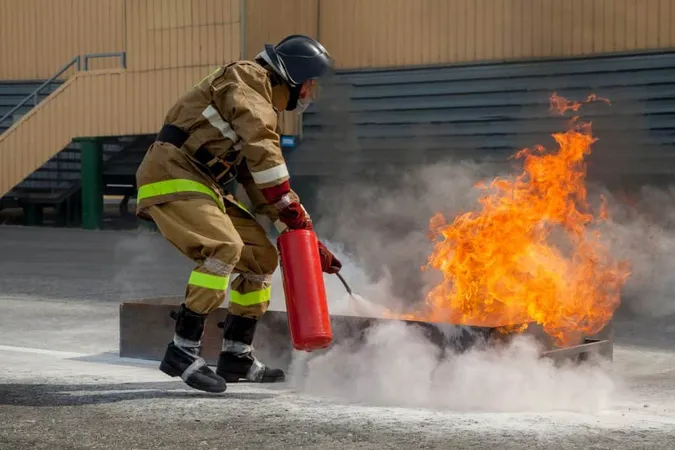
Army fireguard is a fire watch duty assigned to soldiers, typically overnight or during specific high-risk periods. It's a rotating shift where designated soldiers walk through the barracks or assigned area, looking for fire hazards, smoke, unauthorized activity, and safety violations. You're the last line of defense before something small becomes a disaster.
The term has a specific military meaning that's different from the civilian certification context. In New York City, a fireguard is someone who holds an F-02 Certificate of Fitness — a licensed fire safety professional authorized to perform fire watch duties at construction sites and buildings undergoing hot work. In the Army, fireguard is an informal rotational duty anyone can be assigned to, no certification required.
When Is Army Fireguard Required?
Fireguard is most commonly encountered in two situations. First, during basic combat training (BCT) — soldiers are assigned fireguard shifts overnight in the barracks as part of the training environment. It's partly practical (someone needs to be awake watching for fire), partly a character-building exercise in responsibility. Second, in garrison life more broadly, fireguard or fire watch may be assigned whenever work is being done that creates fire risk — welding, cutting, or work near flammables.
During BCT, fireguard shifts typically run in 1-2 hour blocks overnight. Two soldiers walk the barracks floor, check the bathrooms, monitor for smoke or hazards, and wake the drill sergeant if anything looks wrong. That's it. No elaborate training required — just attentiveness and accountability.
Army Fireguard Responsibilities
What does a fireguard actually do? The duties are straightforward:
- Walk the assigned area at regular intervals (not just once — continuous or near-continuous patrol)
- Check for signs of fire: smoke, unusual heat, burning smells
- Look for fire hazards: improper storage of flammables, electrical issues, space heaters placed dangerously
- Observe unauthorized activity: people where they shouldn't be, or activities that could create risk
- Log observations and report anything unusual to the NCO on duty or drill sergeant
- Wake fellow soldiers and initiate evacuation if fire is discovered
The log part matters. Fireguard soldiers typically maintain a duty log — noting the time, what they observed (or that nothing was observed), and any actions taken. This creates accountability and documentation.
Important: The F-02 exam covers multiple domains. Allocate more study time to unfamiliar topics while maintaining review of strong areas.
Fireguard in Basic Training: What to Expect
For most soldiers, fireguard is their first real taste of military duty. In BCT, the fireguard roster is managed by your drill sergeant. Soldiers are assigned in pairs — two people on at a time. Shifts rotate throughout the night so everyone takes a turn. You'll typically do 2-3 fireguard shifts over the course of training, though frequency varies by unit and phase.
During your shift, you and your partner walk the bay. If someone's out of their bunk who shouldn't be, you note it. If you smell smoke, you investigate. If you find an actual fire — you act. Pull the fire alarm, wake the bay, follow your unit's emergency procedures.
It sounds simple because it is. But soldiers who fall asleep on fireguard or fail to document properly face real consequences. It's taken seriously precisely because the stakes — a barracks fire while dozens of soldiers are sleeping — are serious.
The Military Culture Around Fireguard
Beyond the practical fire safety function, fireguard in basic training serves a cultural purpose. It teaches soldiers that military life involves unglamorous duties that are nevertheless critical. You're tired. It's 2 AM. Nobody sees you working. But your fellow soldiers are asleep and counting on you to stay alert. That sense of responsibility — doing the job right when no one's watching — is foundational to military service.
There's a reason fireguard features prominently in military humor and nostalgia. The shared experience of shuffling through a dark barracks in the middle of the night, trying to stay awake, is genuinely universal among Army veterans.
Army Fireguard vs. NYC F-02 Fireguard Certification
These are two entirely different things that share a name. Understanding the difference matters if you're searching for one or the other.
Army fireguard is a military duty assignment — informal, rotational, requiring no certification or exam. Anyone in the unit can be assigned it.
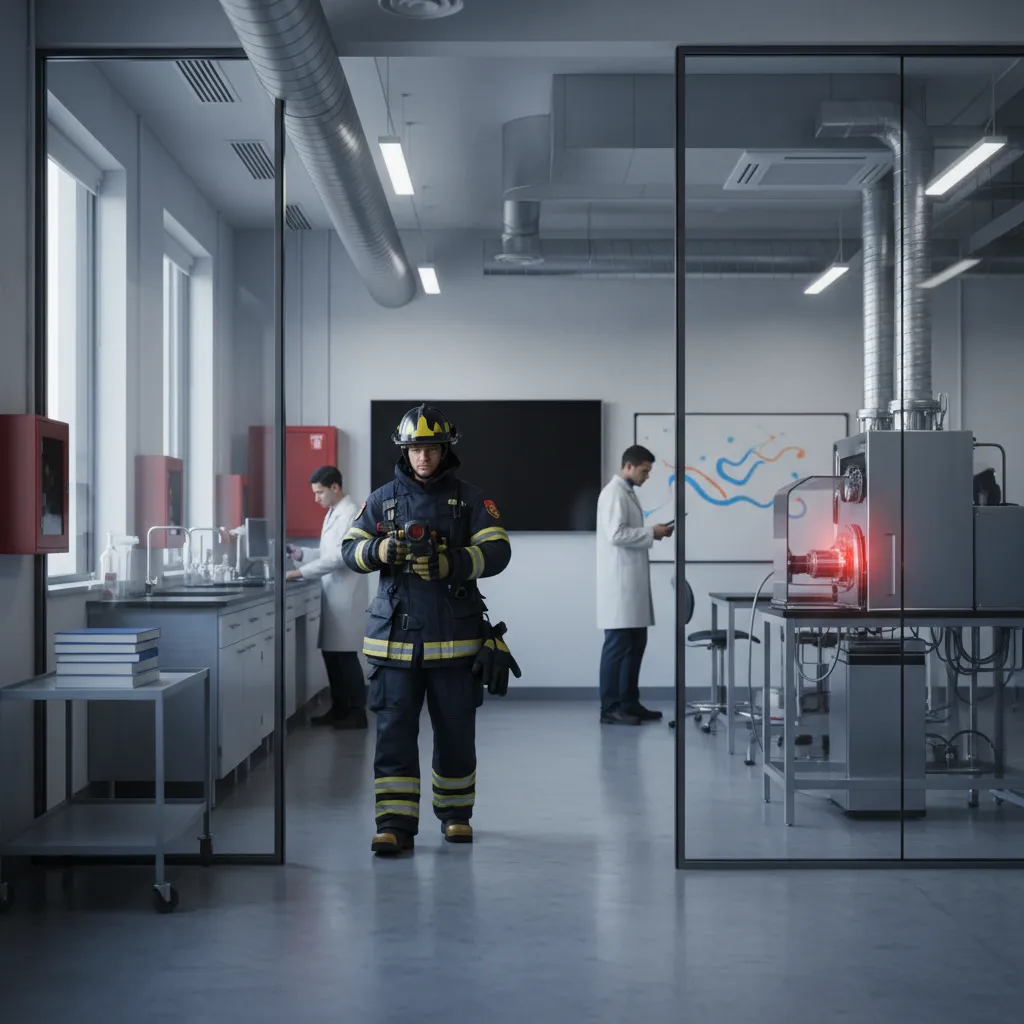
The NYC F-02 Certificate of Fitness is a civilian certification issued by the FDNY. It qualifies the holder to perform fire watch duties at construction sites, during hot work operations, and in buildings where fire suppression systems are temporarily offline. Getting the F-02 requires studying for and passing a written exam administered by the FDNY — it's a real credential with legal significance.
If you're looking to become a certified fireguard in New York City — to work construction sites or building maintenance — you need the F-02 Certificate of Fitness, not Army fireguard experience. The fireguard license process involves studying fire safety regulations, building systems, and fire watch protocols specific to New York City requirements.
Does Army Fireguard Experience Help with F-02 Certification?
Indirectly, yes. Veterans who've done fireguard duty understand fire watch principles from practical experience — staying alert, documenting observations, knowing when and how to respond. That mindset carries over.
But the F-02 exam tests specific regulatory knowledge: NYC Fire Code, building occupancy rules, fire watch documentation requirements, and what to do in specific scenarios involving construction or hot work. Army fireguard experience doesn't substitute for studying that material. You still need to prepare for and pass the written exam.
The good news is that if you've been in the Army, you understand the concept of standing a post and taking it seriously. That discipline is half the battle. The exam knowledge is the other half — and that's what our practice tests are for.

F-02: Pros and Cons
- +f-02-49 — f-02 credential is recognized by employers and industry professionals
- +Higher earning potential compared to non-credentialed peers
- +Expanded career opportunities and professional advancement
- +Structured learning path builds comprehensive knowledge
- +Professional development that stays current with industry standards
- −Preparation requires significant time and study commitment
- −Associated costs for exams, materials, and renewal fees
- −Continuing education needed to maintain credentials
- −Competition for advanced positions can be challenging
- −Requirements and standards may vary by state or region

Preparing for the F-02 Fireguard Exam
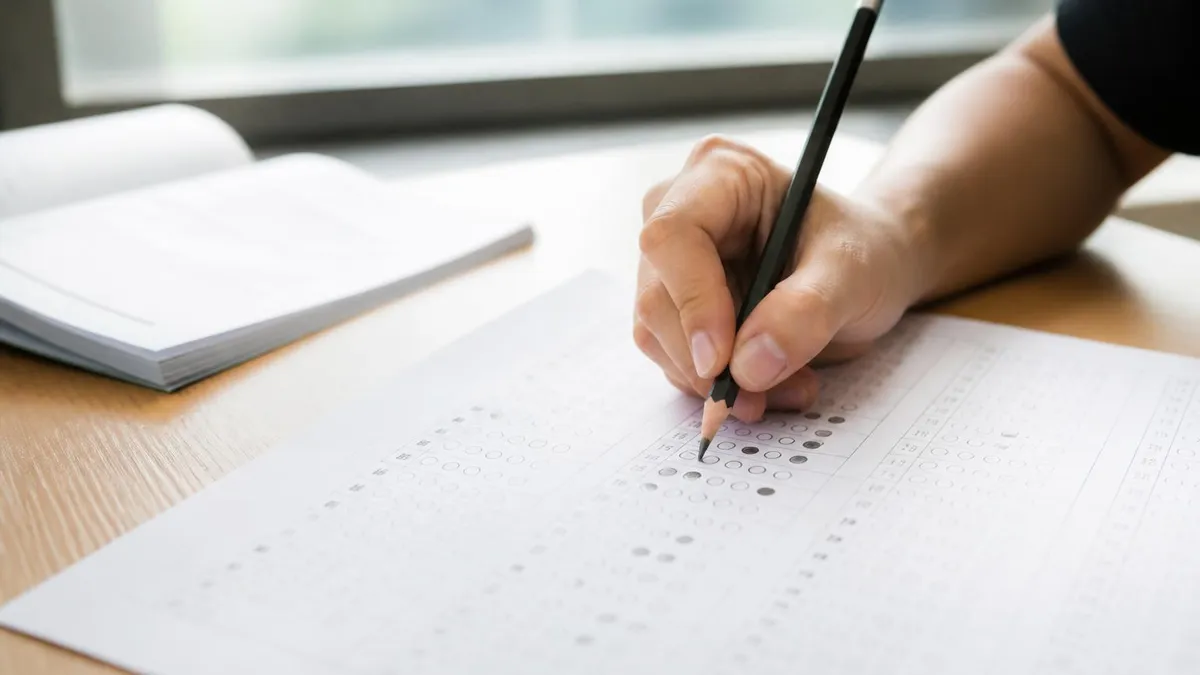
Whether you're coming from a military background or applying for a construction site fireguard position in New York City, the F-02 exam requires dedicated preparation. The exam covers fire watch protocols, NYC Fire Code requirements, building systems, and documentation standards.
Our F-02 practice tests walk you through the fire prevention, roles and responsibilities, and evaluation content you'll encounter on the actual FDNY exam. Work through the questions, review the explanations for anything you miss, and build confidence before your test date.
The define fireguard section on this site covers the full scope of what the F-02 certification involves. If you're serious about working fire watch in New York, start your prep now — the exam is manageable with the right preparation.
About the Author

Law Enforcement Trainer & Civil Service Exam Specialist
John Jay College of Criminal JusticeMarcus B. Thompson earned his Master of Arts in Criminal Justice from John Jay College of Criminal Justice and served 12 years as a law enforcement officer before transitioning to full-time academy instruction. He is a POST-certified instructor who has prepared candidates for police entrance exams, firefighter assessments, and civil service examinations across dozens of agencies.