
EMD Meaning Medical: What Emergency Medical Dispatch Is and Why It Matters
Learn what EMD means in medical contexts, how emergency medical dispatch works, 💡 EMD certification requirements, and why dispatchers save lives every day.

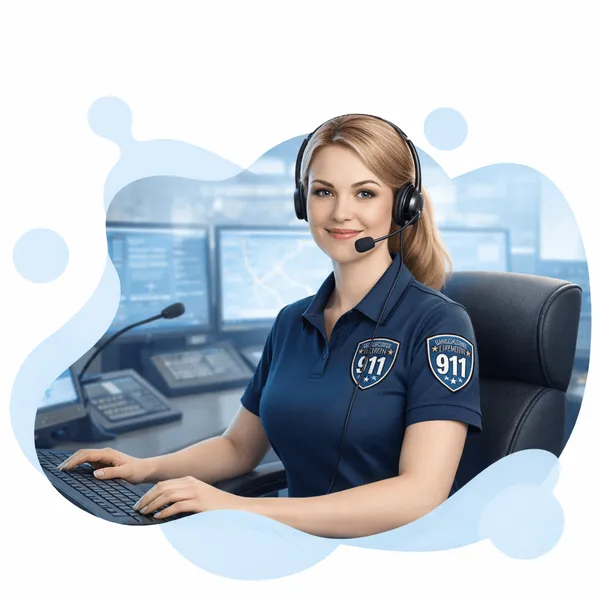
Understanding EMD meaning medical starts with recognizing one of emergency services' most critical yet overlooked roles. EMD stands for Emergency Medical Dispatch, a structured system that allows trained telecommunicators to gather information from callers, prioritize the severity of medical emergencies, dispatch the appropriate level of care, and provide life-saving pre-arrival instructions to bystanders — all before a single paramedic arrives on scene. The EMD framework transforms a simple 911 call into a guided medical intervention that can mean the difference between life and death.
The EMD system was developed in the 1970s by Dr. Jeff Clawson, a physician and fire captain working in Salt Lake City, Utah. Frustrated by inconsistent and often ineffective telephone guidance given to callers, Clawson created a set of standardized protocols that dispatchers could follow regardless of their medical background. Today, those protocols have evolved into the Medical Priority Dispatch System (MPDS), used by thousands of communications centers across the United States and in more than 45 countries worldwide. The core philosophy remains unchanged: every caller deserves a medically trained voice on the other end of the line.
What makes EMD distinct from general dispatching is its structured interrogation process. When a call comes in, an EMD-trained dispatcher does not simply record the address and send an ambulance. Instead, they walk through a scripted sequence of questions to determine the nature and severity of the patient's condition, assign a determinant code that classifies urgency, and then provide pre-arrival instructions — things like CPR guidance, hemorrhage control, or instructions for managing a choking infant. This structured approach prevents underresponse to critical emergencies and avoids unnecessary deployment of resources for lower-acuity calls.
There is frequent confusion about what EMD means because the abbreviation is used across multiple industries. In real estate, EMD stands for Earnest Money Deposit — the upfront payment a buyer makes to demonstrate serious intent to purchase a property. In the pharmaceutical world, EMD Serono is a global biopharmaceutical company. The EMD F7 refers to a historic General Motors locomotive model. Outside of these uses, emd meaning in the public safety sector is almost universally understood as Emergency Medical Dispatch, a distinction that matters enormously for anyone studying for EMS or dispatch certifications.
For communities across America, EMD programs represent a significant public health infrastructure investment. Research published in emergency medicine journals has consistently demonstrated that EMD-guided bystander CPR, when initiated within the first two to three minutes of cardiac arrest, can double or even triple survival rates. When dispatchers recognize the signs of cardiac arrest from a caller's description and immediately walk a panicked family member through chest compressions, they are functioning as the first medical responder in a chain of survival that extends from the 911 center to the emergency department.
EMD certification has become a widely recognized credential across the United States, with most states either requiring or strongly recommending that public safety answering points (PSAPs) employ EMD-certified telecommunicators. The certification process involves completing an accredited EMD course, passing a written examination, and maintaining ongoing education credits to keep the certification active. Many dispatchers view EMD certification not just as a professional requirement but as the foundation of their ability to genuinely help people in their most vulnerable moments.
Whether you are a student exploring a career in emergency services, a dispatcher pursuing your first EMD certification, or simply someone curious about what happens behind the scenes of a 911 call, understanding the medical meaning of EMD illuminates a system that operates with remarkable precision under extraordinary pressure. The pages that follow explore the structure, requirements, and real-world impact of Emergency Medical Dispatch in detail, giving you a complete picture of this vital public safety discipline.
Emergency Medical Dispatch by the Numbers

EMD Certification Requirements at a Glance
Candidates must complete an approved EMD course, typically 24 hours of instruction covering priority dispatch protocols, pre-arrival instructions, medical terminology, and call-taking techniques. Courses are offered by NAED, APCO, NAEMD, and state-approved providers.
After completing the course, candidates sit for a written exam testing knowledge of dispatch protocols, determinant codes, and pre-arrival instruction sequences. Most certification bodies require a minimum score of 80% to pass and earn the EMD credential.
EMD certifications must be renewed every two years. Renewal requires completing CE hours covering protocol updates, case reviews, and quality assurance participation. NAED requires 24 CE hours biannually; individual states may have additional requirements.
Many EMD certification programs require the employing agency to be accredited as a Medical Priority Dispatch center. Agency accreditation involves regular call audits and quality improvement processes that verify dispatchers follow protocols consistently.
Understanding how EMD works in practice requires tracing a 911 call from the moment it connects through to the point of ambulance arrival. When a caller dials 911 and reports a medical emergency, the dispatcher — if EMD-certified — immediately begins the structured protocol sequence. The first priority is securing the caller's location and a callback number, a critical step because calls sometimes drop. Once location is confirmed, the dispatcher shifts into the interrogation phase, asking a series of standardized questions to determine what is happening with the patient.
The questions follow a logic tree built into the Medical Priority Dispatch System. The dispatcher asks about the patient's age, whether they are conscious, whether they are breathing, and what the chief complaint appears to be. Based on the answers, the system assigns a determinant code — a combination of a letter and number that classifies both the type of emergency and its acuity level.
For example, a code 9-E-1 might indicate a cardiac arrest requiring lights-and-sirens response, while a 9-C-1 might indicate chest pain in a patient who is conscious and alert, warranting a priority response but not necessarily requiring multiple advanced life support units.
Once the determinant code is assigned and the appropriate units are dispatched, the EMD dispatcher does not end the call. This is one of the most important and least understood aspects of what makes EMD different from basic dispatching. The dispatcher stays on the line and transitions into the pre-arrival instruction phase, following scripted guides tailored to the specific emergency. For a cardiac arrest, this means walking the caller through hands-only CPR, counting compressions aloud, and reassuring the caller while help is en route. For a choking emergency, the dispatcher guides the caller through back blows and abdominal thrusts.
The emd meaning medical framework also includes post-dispatch instructions, a set of guidance steps the dispatcher provides after units are en route but before pre-arrival instructions are complete. These might include telling a caller to unlock the front door, move a pet away from the patient, or gather medications so paramedics can review them on arrival. These logistical instructions seem minor but can meaningfully reduce the time between first responder arrival and beginning treatment — seconds that matter enormously in time-sensitive emergencies like stroke or anaphylaxis.
Quality assurance is a cornerstone of effective EMD systems. Most accredited communications centers use call review software that scores dispatcher adherence to protocol for a random sample of calls each month. Supervisors and medical directors review flagged calls, provide coaching, and track trends that may indicate training gaps or protocol misunderstandings. This feedback loop is what separates high-performing EMD centers from agencies that simply have certified staff without systematic quality oversight.
The technology supporting EMD has advanced considerably in recent years. Computer-aided dispatch (CAD) systems now integrate directly with protocol software, automatically displaying the relevant card for the determinant code assigned and flagging when a dispatcher deviates from scripted language. Some centers have begun testing artificial intelligence tools that can analyze caller voice patterns for signs of distress or detect key phrases that might indicate a life-threatening emergency before the dispatcher has finished asking their first question. These tools augment rather than replace EMD-certified human dispatchers.
For students and career changers exploring public safety, EMD represents an accessible entry point into emergency medicine that does not require years of clinical training. Many EMD dispatchers begin their careers with a high school diploma and the 24-hour certification course, then build expertise through experience, additional certifications, and ongoing education. The role offers a genuine opportunity to save lives from inside the communications center, making it one of the most impactful positions in the emergency medical services ecosystem.
EMD Certification: Roles, Training, and Protocols
An EMD-certified dispatcher is simultaneously a call-taker, a medical prioritizer, and a pre-arrival care provider. During a single shift, a dispatcher may guide a caller through infant CPR, coordinate a multi-unit response to a mass casualty event, and calm a frightened parent whose child is having a febrile seizure — all while managing radio traffic and updating responding units. The role demands exceptional multitasking ability, calm under pressure, and precise verbal communication skills that can be clearly understood by stressed, panicked, or non-English-speaking callers.
Beyond the acute call-handling function, EMD dispatchers often participate in agency quality improvement programs, serve as shift leads or training officers, and support critical incident stress debriefs after emotionally intense calls. Career progression typically moves from dispatcher to senior dispatcher, then to supervisor, training coordinator, or communications center manager. Specialized roles such as EMD quality assurance analyst or protocol compliance officer are increasingly common in larger agencies, reflecting the growing professionalization of the telecommunications field within emergency medical services.

EMD Career: Benefits and Challenges
- +Save lives directly from the communications center through pre-arrival medical guidance
- +Low educational barrier to entry — most positions require only a high school diploma plus EMD certification
- +Stable public sector employment with benefits, pension, and overtime opportunities
- +Clearly defined career progression from dispatcher to supervisor, trainer, or manager
- +Continuous learning through protocol updates, CE requirements, and quality improvement participation
- +Diverse daily experience — no two shifts are identical in a busy communications center
- −High psychological stress from managing life-or-death calls, particularly pediatric emergencies or fatalities
- −Shift work including nights, weekends, and holidays is standard in 24/7 communications centers
- −Secondary traumatic stress and dispatcher burnout are recognized occupational hazards requiring active management
- −Median salary of approximately $46,000 is modest relative to the critical nature and stress of the role
- −Mandatory protocol adherence can feel constraining for experienced dispatchers who trust their instincts
- −Physical workspace is often high-noise, low-natural-light, with limited mobility during long shifts
EMD Career Preparation Checklist
- ✓Research your state's specific EMD certification requirements, since requirements vary by jurisdiction and some states mandate certification by law.
- ✓Enroll in an NAED- or APCO-approved EMD initial training course of at least 24 hours to qualify for certification examination.
- ✓Study the 33 Medical Priority Dispatch System chief complaint categories and familiarize yourself with the Alpha-through-Echo determinant code structure.
- ✓Practice active listening and calm verbal communication skills, which are as important as protocol knowledge in high-stress dispatch scenarios.
- ✓Review your state's 911 telecommunications employment listings and identify agencies hiring dispatchers with EMD certification requirements.
- ✓Prepare for the EMD written examination by completing practice tests covering protocol logic, determinant codes, and pre-arrival instruction sequences.
- ✓Apply to agencies that hold Accredited Center of Excellence (ACE) status, as these centers offer the strongest training environments for new dispatchers.
- ✓Ask prospective employers about their quality assurance process and call review frequency to gauge how well they support dispatcher development.
- ✓Develop a plan for managing occupational stress before starting work, including peer support contacts, self-care routines, and mental health resources.
- ✓Plan for biennial recertification by tracking your continuing education hours from your first day on the job to avoid a certification lapse.
EMD-Guided CPR Can Triple Cardiac Arrest Survival Rates
Studies published in leading emergency medicine journals consistently show that bystander CPR initiated within two to three minutes of cardiac arrest — guided by an EMD-trained dispatcher — can triple a patient's chance of surviving to hospital discharge. In communities with high EMD protocol compliance, dispatcher-assisted CPR rates are significantly higher than in areas without structured EMD programs, demonstrating the direct public health value of properly trained and accredited dispatch centers.
Comparing EMD to other dispatcher roles clarifies exactly what the certification adds and why it matters for patient outcomes. A basic 911 call-taker without EMD training can record location information, relay that information to dispatch, and send the appropriate units — but they are not equipped to triage the call medically, assign a priority level based on clinical criteria, or provide structured pre-arrival medical instructions.
In agencies without EMD programs, this gap means that bystanders are often left on hold or given minimal guidance while waiting for help to arrive, a period that can be fatal in cardiac arrest or severe hemorrhage emergencies.
EMD-certified dispatchers, by contrast, are trained to function as the medical first contact in any emergency. The structured protocol system means that even a dispatcher with no clinical background can guide a caller through recognizing cardiac arrest, initiating chest compressions, and maintaining an airway — actions that have been clinically validated to sustain life until advanced care arrives. The protocol also prevents over-response, recognizing that not every 911 call requires lights-and-sirens deployment, which reduces wear on equipment, lowers accident risk for responding crews, and preserves resources for true life-threatening emergencies.
Fire service dispatchers who work in combination departments handling both fire and EMS calls increasingly hold dual certifications — EMD plus Emergency Fire Dispatch (EFD) — allowing them to apply structured protocols across both response types. Similarly, police communications centers that dispatch EMS may require EMD certification for call-takers who handle medical emergencies. This cross-certification trend reflects a broader understanding that structured dispatch protocols improve outcomes across all emergency disciplines, not just EMS-only agencies.
The distinction between EMD and paramedic or EMT roles is worth clarifying for anyone new to emergency services. Paramedics and EMTs are field clinicians who assess and treat patients in person. EMD dispatchers are telecommunications professionals who apply medical knowledge and structured protocols over the phone. The two roles complement each other — the dispatcher gathers critical information and initiates bystander care, while the field crew takes over on scene. Neither role can fully substitute for the other, and the best patient outcomes depend on seamless coordination between the communications center and responding units.
In the context of mass casualty incidents — events involving multiple patients such as bus crashes, building collapses, or active shooter situations — EMD-trained dispatchers play a coordination role that extends well beyond individual patient care. Dispatchers must simultaneously gather scene intelligence from multiple callers, coordinate the deployment of multiple units across different locations, relay information to incident commanders, and in some cases provide instructions to multiple bystanders at once. This high-complexity environment demands the situational awareness and structured thinking that EMD training directly cultivates.
Telemedicine and mobile integrated health programs are increasingly intersecting with EMD operations. In some communities, EMD dispatchers are empowered to divert lower-acuity callers to telehealth services rather than dispatching an ambulance, a model that reduces unnecessary emergency department visits, lowers system costs, and improves response capacity for true emergencies. These programs require dispatchers to apply EMD protocols to determine appropriateness for telehealth diversion — another illustration of how the EMD framework continues to evolve with the broader healthcare landscape.
For students preparing for EMD examinations, understanding the difference between EMD and other roles also helps frame practice test questions correctly. Many exam items test not just protocol knowledge but situational judgment — the ability to apply EMD principles to novel scenarios that don't fit neatly into a single protocol card. Reviewing realistic case scenarios, studying how determinant codes are assigned across different chief complaint categories, and practicing the language of pre-arrival instructions are all essential preparation strategies for earning and maintaining EMD certification.

EMD certifications issued by most bodies, including NAED and APCO, expire every two years. Allowing your certification to lapse can disqualify you from dispatcher positions, trigger agency compliance issues, and in some states may violate telecommunications center licensing requirements. Track your expiration date from the day you receive your credential and begin accumulating continuing education hours well before the renewal deadline to avoid a gap in active certification status.
Advancing your EMD career beyond the entry-level dispatcher role opens pathways into supervision, training, quality assurance, and healthcare system integration that offer both higher compensation and greater professional influence. The first natural step for an experienced EMD dispatcher is pursuing a lead or senior dispatcher designation, which typically requires two to three years of experience, demonstrated protocol compliance, and a recommendation from a supervisor or agency director. Senior dispatchers often serve as shift leads, acting as the primary resource for less experienced colleagues navigating difficult calls.
The quality assurance track represents one of the most analytically rewarding career paths within EMD. Quality assurance analysts review recorded calls against protocol standards, score dispatcher performance, identify trends in compliance data, and deliver coaching to dispatchers who need additional support. Agencies that have achieved ACE accreditation are particularly rigorous about their QA processes, and analysts in these environments develop a sophisticated understanding of protocol application that few field personnel ever acquire. This expertise makes QA professionals highly sought after as trainers and consultants.
Training officer roles within communications centers provide another avenue for career growth. EMD training officers develop orientation programs for new hires, facilitate continuing education sessions, and often serve as the agency's point of contact with certification bodies for course scheduling and examination administration. Many training officers also develop agency-specific scenario libraries, creating realistic call simulations drawn from the agency's own call history that give trainees practice with the types of emergencies common to their specific service area.
Leadership roles such as communications center manager or public safety answering point director combine EMD expertise with operational management, budget oversight, technology procurement, and policy development. These positions typically require a combination of extensive dispatch experience, supervisory background, and formal education — many communications center directors hold associate or bachelor's degrees in emergency management, public administration, or criminal justice. The National Emergency Number Association (NENA) and APCO both offer leadership development programs specifically designed for communications center managers.
Salary progression in EMD careers varies significantly by geography, agency type, and experience level. Entry-level EMD dispatchers in rural areas may earn $35,000 to $40,000 annually, while experienced dispatchers in large urban centers can earn $60,000 to $75,000 including overtime. Supervisors and QA analysts typically earn $55,000 to $80,000, and communications center directors at large agencies may earn over $100,000. Public sector positions typically include benefits packages — health insurance, retirement contributions, and paid leave — that add significant value beyond base salary.
Continuing professional development through organizations like IAED, NENA, and APCO provides access to annual conferences, specialty certifications, and peer networking that can accelerate career advancement. The IAED, for example, offers advanced credentials such as the Emergency Medical Dispatch — Quality Assurance (EMD-QA) certification for experienced practitioners working in call review roles. Pursuing these specialty credentials signals professional commitment and distinguishes candidates for promotion or lateral moves to higher-profile agencies. For a comprehensive look at formal training options, explore the resources available through structured emd meaning medical programs designed to advance dispatcher credentials.
The future of EMD as a profession is shaped by technology, healthcare policy, and growing recognition of the role's clinical value. Efforts to classify EMD dispatchers as healthcare workers — rather than administrative employees — have gained momentum in several states, with implications for compensation, occupational health protections, and access to employee assistance programs tailored to trauma exposure. Whether these classifications succeed broadly will depend on continued advocacy by professional organizations and the willingness of policymakers to recognize dispatch as the medical service it genuinely is.
Preparing effectively for EMD certification requires more than memorizing protocol cards — it demands building the mental habits and communication skills that allow dispatchers to perform consistently under pressure. The most successful EMD candidates approach their preparation with a combination of structured study, realistic scenario practice, and deliberate attention to the psychological demands of the role. Starting with a thorough review of all 33 MPDS chief complaint categories gives you the vocabulary and conceptual framework that makes everything else easier to learn.
When studying determinant codes, resist the temptation to memorize individual codes in isolation. Instead, practice reasoning through the logic that connects caller answers to code assignments. For each chief complaint category, ask yourself: what information distinguishes an Echo from a Delta, a Delta from a Charlie? Walking through this reasoning repeatedly builds the pattern recognition that allows experienced dispatchers to assign codes quickly and accurately even when callers are frightened, confused, or providing incomplete information. This analytical approach to studying transfers directly to exam performance and to real call-handling.
Pre-arrival instruction sequences deserve special attention during exam prep. These scripts are precise — the words matter, not just the concepts — because they are designed to be delivered verbatim to stressed callers who need clear, unambiguous direction. Practice reading the CPR, choking, and childbirth instruction sequences aloud until the language flows naturally and you can deliver it calmly. Many candidates find it helpful to record themselves and listen back, noting where they stumble or sound uncertain. What feels awkward during practice will feel more natural under the pressure of a real or simulated emergency.
Mock examinations using realistic multiple-choice questions are the most efficient way to identify knowledge gaps before your certification exam. Focus your review time on question types where you score below 80%, and for each incorrect answer, trace back to the specific protocol principle that underlies the correct response. Blind repetition of questions builds familiarity without understanding; targeted review of wrong answers builds the genuine comprehension that carries you through novel scenarios on the actual exam and in the field.
Dispatcher wellness is not a topic to overlook even in your pre-employment preparation. Understanding the psychological demands of the role — exposure to traumatic calls, shift work disruption, the pressure of knowing your decisions affect patient survival — allows you to enter the career with realistic expectations and proactive coping strategies. Organizations like the First Responder Support Network and the Dispatcher Assistance Program offer resources specifically for telecommunications professionals, and familiarizing yourself with these tools before your first shift puts you ahead of colleagues who only encounter them after a crisis.
Study groups and peer preparation can significantly accelerate your readiness for the EMD certification exam. Working through protocol scenarios with a partner who challenges your reasoning, asks follow-up questions, and holds you accountable to scripted language mimics the real-time decision-making environment of dispatch work in a low-stakes practice setting. Many communications centers allow dispatch candidates to observe live operations during ride-alongs, an opportunity to see EMD protocols applied in real time and to ask experienced dispatchers about the elements of the role that written materials cannot fully capture.
On exam day, read every question carefully and resist the impulse to answer based on general emergency medical knowledge that falls outside EMD protocol logic. The certification exam tests your understanding of the Medical Priority Dispatch System specifically — not paramedic treatment protocols, not clinical guidelines, not personal judgment calls that deviate from scripted processes.
Trust the protocol framework you have studied, apply it systematically to each scenario, and approach the examination with the same structured discipline that makes EMD dispatchers effective on the job. That mindset, more than any single fact you memorize, is what will carry you through to certification.
EMD Questions and Answers

EMD Codes: Complete Guide to Emergency Medical Dispatch Protocols

EMD Classes: Complete Guide to Emergency Medical Dispatch Training

EMD Meaning: What Emergency Medical Dispatch Is and How It Works

NJ EMD Guide Cards: Complete Training Guide for Emergency Medical Dispatchers
EMD Practice Test Guide - Ace Your Exam Prep
About the Author

Educational Psychologist & Academic Test Preparation Expert
Columbia University Teachers CollegeDr. Lisa Patel holds a Doctorate in Education from Columbia University Teachers College and has spent 17 years researching standardized test design and academic assessment. She has developed preparation programs for SAT, ACT, GRE, LSAT, UCAT, and numerous professional licensing exams, helping students of all backgrounds achieve their target scores.