
What Is English Language Arts? A Complete Guide for Students and Parents
What is English language arts? Discover ELA's 5 core strands, grade-level skills, and why it matters for every student. 📚 Full guide inside.

What is English language arts, and why does it show up on every school schedule from kindergarten through twelfth grade? English language arts — commonly abbreviated as ELA — is the academic discipline that teaches students how to read, write, speak, listen, and think critically through language. It is not simply a grammar or spelling class. ELA encompasses literature study, informational text analysis, argument writing, vocabulary development, and oral communication, all woven together into a single subject designed to make students effective communicators and independent thinkers.
At its core, ELA is built around five interlocking strands: reading literature, reading informational text, writing, speaking and listening, and language conventions. These strands are not taught in isolation. A student reading a novel might simultaneously analyze the author's use of metaphor (reading literature), discuss themes with peers (speaking and listening), write a claim-evidence argument about the protagonist's choices (writing), and learn the grammatical structures that make persuasive sentences powerful (language). The integration is intentional and mirrors how real-world communication actually works.
ELA standards in the United States are organized by grade level, ensuring that skills build systematically from one year to the next. A first-grader learns to decode words using phonics and retell stories with key details. By fifth grade, that same student is expected to cite textual evidence, compare perspectives across multiple texts, and write organized multi-paragraph essays. In high school, ELA students analyze complex literary works, craft research papers, and evaluate the rhetorical strategies authors use to influence audiences. Every benchmark connects back to the foundational skill of making meaning through language.
Parents often wonder how ELA differs from a traditional English class. The short answer is scope. A traditional English class might focus primarily on literature and writing mechanics. ELA broadens that lens to include informational and functional texts — news articles, scientific reports, historical documents, and technical manuals — because students in the 21st century need to read and write across content areas, not just in literary contexts. Standards like the Common Core State Standards and state-specific frameworks have made this cross-disciplinary literacy a defining feature of modern ELA instruction.
Teachers of ELA face a uniquely creative challenge: the subject must be both rigorous and relevant. A skillful ELA teacher selects texts that reflect students' lives and cultures while simultaneously pushing students toward complexity. They design writing tasks that feel meaningful — personal narratives, persuasive letters to real audiences, research projects on topics students care about — while building the academic language skills students need for college and careers. Classroom discussions become laboratories where students practice articulating ideas, challenging assumptions, and listening actively to perspectives different from their own.
Assessment in ELA takes many forms. Students are evaluated through standardized state tests, classroom essays, oral presentations, reading comprehension quizzes, and portfolio reviews. Understanding what ELA assessments measure — and how to prepare for them — is one of the most practical reasons to understand the subject thoroughly. If you want to explore what is english language arts through structured practice lessons organized by grade band, you will find that the skills tested on ELA exams map directly to the five core strands described above.
Ultimately, ELA is the subject that underpins every other subject. A student who cannot read a math word problem carefully, write a clear lab report in science, or analyze a primary source in history will struggle across the curriculum, no matter how strong their content knowledge is. That is why educators, researchers, and policymakers consistently identify ELA proficiency as one of the strongest predictors of long-term academic success — and why understanding what ELA is and how it works matters for every student, parent, and educator involved in K–12 education.
English Language Arts by the Numbers

The 5 Core Strands of English Language Arts
Students analyze fiction, poetry, and drama by examining plot, character development, theme, point of view, and figurative language. This strand teaches students to interpret meaning beneath the surface of a text and appreciate how authors craft stories to affect readers.
Students read nonfiction — news articles, essays, scientific reports, and historical documents — to gather information, evaluate evidence, and identify author purpose. This strand builds the functional literacy skills students need across every academic subject and in adult life.
Students produce argumentative, informational, and narrative writing across a range of purposes and audiences. They learn the full writing process: prewriting, drafting, revising, editing, and publishing. Research skills and citing sources are also part of this strand.
Students develop oral communication skills through collaborative discussions, presentations, and active listening. This strand includes debates, Socratic seminars, multimedia presentations, and the ability to follow complex spoken directions and evaluate oral arguments critically.
Students master grammar, punctuation, spelling, vocabulary, and the conventions of standard written English. This strand also includes figurative language, word relationships, and nuances in word meanings that help students communicate with precision and style.
One of the most important things to understand about English language arts is how its skills are designed to accumulate over time. Standards frameworks like the Common Core, as well as state-specific versions used in Texas (TEKS), California (ELA/ELD Framework), and other states, are built on a progression model. Skills introduced in early grades become more sophisticated with each passing year, and students are expected to apply earlier learning as they encounter increasingly complex texts and tasks. This vertical alignment is not accidental — it reflects decades of research on how literacy develops in children and adolescents.
In kindergarten and first grade, the primary focus is foundational reading: phonemic awareness (understanding that words are made of individual sounds), phonics (matching letters to sounds), fluency (reading smoothly and accurately), and basic comprehension. Writing at this level involves forming letters correctly, composing simple sentences, and expressing ideas in drawings and words. These early skills are absolutely critical — research consistently shows that students who struggle with decoding in grades K–2 face compounding challenges in every subject as they advance through school.
By grades 3 through 5, the transition from learning to read to reading to learn is well underway. Students are expected to read grade-level texts independently, infer meaning from context clues, identify main ideas and supporting details, and begin comparing information across multiple sources. Writing expands from simple sentences to organized paragraphs and multi-paragraph essays. Students learn the difference between a topic sentence, supporting evidence, and a concluding thought — the building blocks of all academic writing they will do in middle and high school.
Middle school ELA (grades 6–8) is where the intellectual demands of the subject increase sharply. Students analyze how authors develop theme, mood, and argument across increasingly complex literary and informational texts. They are expected to cite specific textual evidence rather than summarize in general terms. Writing assignments become more formal and genre-specific: literary analysis essays, research reports, argumentative pieces that acknowledge counterclaims, and narrative writing that demonstrates control of craft elements like pacing, description, and dialogue.
High school ELA builds on all prior learning while adding an emphasis on rhetorical analysis, independent research, and college-ready writing. Students in grades 9–12 read canonical literature alongside contemporary works, analyze how historical and cultural context shapes meaning, and develop their own voices as writers. Advanced coursework like AP English Language and Composition or AP English Literature and Composition pushes students to demonstrate mastery at a near-collegiate level, producing analytical essays and close readings that require both precision and sophistication.
One of the most valuable things parents and students can do at every grade level is understand the specific expectations for their current grade. ELA standards documents are publicly available in every state, and they provide a clear picture of what students should know and be able to do by the end of each school year. Reviewing these expectations makes it much easier to identify gaps, seek targeted support, and celebrate genuine progress as the year unfolds.
ELA instruction also increasingly incorporates digital literacy skills — evaluating online sources, understanding how algorithms shape the information people encounter, and producing digital content responsibly. As students move through school, they are expected not only to read print texts but also to critically analyze websites, videos, podcasts, and social media. This expanded definition of text reflects the reality of communication in the modern world and makes ELA one of the most forward-looking subjects in the K–12 curriculum.
Reading, Writing, and Language in English Language Arts
Reading in ELA covers two major categories: literary texts and informational texts. Literary reading asks students to move beyond plot summary to analyze how authors create meaning through structure, word choice, point of view, and figurative language. A student reading a poem by Langston Hughes, for example, is not just identifying what the poem says — they are examining how the rhythm, imagery, and historical context work together to convey a theme about identity and aspiration. This analytical lens transforms passive reading into active intellectual engagement.
Informational reading teaches students to evaluate credibility, identify central ideas, trace the development of an argument, and synthesize information from multiple sources. Close reading strategies — annotating text, identifying signal words, distinguishing fact from opinion — are explicitly taught and practiced across grade levels. Students learn to read graphs, charts, and visual elements embedded in informational texts, building the multimodal literacy skills that are essential for navigating science, history, and career-readiness materials throughout their educational careers and beyond.

Strengths and Challenges of ELA as a School Subject
- +Builds transferable literacy skills used in every academic subject
- +Develops critical thinking, analysis, and evidence-based reasoning
- +Fosters empathy and perspective-taking through literature and discussion
- +Prepares students for college writing and professional communication
- +Encourages creative expression through narrative and poetry writing
- +Teaches students to evaluate sources and resist misinformation
- −Subjective nature of literary interpretation can frustrate students seeking clear right answers
- −Wide variation in teacher quality and text selection across schools and districts
- −Standardized tests may not fully capture the depth of students' literacy skills
- −Writing feedback can feel vague or inconsistent without clear rubrics
- −Heavy emphasis on canonical texts may not reflect all students' cultural backgrounds
- −Skills take years to develop, making short-term progress hard to measure or celebrate
Essential ELA Skills Every Student Should Master
- ✓Cite specific textual evidence to support inferences and analysis, not just plot summary.
- ✓Identify the central idea or theme of a text and trace how it develops across paragraphs.
- ✓Analyze how an author's word choice (diction) creates tone, mood, or emphasis.
- ✓Compare how two texts address the same topic or theme from different perspectives.
- ✓Write a clear thesis statement that makes a specific, arguable claim about a text or topic.
- ✓Develop body paragraphs that each present one main idea supported by evidence and analysis.
- ✓Evaluate the credibility and relevance of sources used in research writing.
- ✓Identify logical fallacies and weak evidence in persuasive or argumentative texts.
- ✓Apply correct grammar and punctuation conventions in formal academic writing.
- ✓Practice active listening during class discussions and build on peers' contributions respectfully.
The Single Most Effective ELA Study Habit
Research consistently shows that daily independent reading — even just 20 minutes per day — is the single most powerful predictor of vocabulary growth, reading comprehension improvement, and overall ELA performance. Students who read widely outside of school encounter a far greater range of vocabulary, sentence structures, and ideas than those who read only assigned texts. Choosing books that genuinely interest the student matters more than choosing 'difficult' books — engagement drives the volume of reading that produces real skill gains.
Understanding what ELA looks like inside an actual classroom helps parents and students connect the standards to the daily experience of school. In a well-designed ELA classroom, you are unlikely to see students silently filling out grammar worksheets for an entire period.
Instead, you might see a small group of students engaged in a Socratic seminar, sitting in a circle and using evidence from a shared text to debate a complex question about justice, identity, or power. The teacher facilitates rather than lectures, asking questions that push students to refine their thinking and respond to one another rather than simply performing for the instructor.
Writing workshops are another cornerstone of effective ELA instruction. In a writing workshop model, students spend the majority of class time actually writing while the teacher confers individually with students about their current drafts. Mini-lessons at the beginning of the period introduce specific craft or convention skills — how to vary sentence length for effect, how to integrate a quotation smoothly into an essay, how to identify and fix a comma splice. Students then apply those skills in their own writing, making the learning immediately relevant and transferable.
Text complexity is a major focus of contemporary ELA instruction. The Common Core and similar frameworks call for students to read texts at or slightly above their current reading level, supported by close reading strategies and teacher guidance. This productive struggle with complex text builds the reading stamina and inferential skills that students need for college-level work. It is a deliberate departure from the older practice of always matching students to their exact independent reading level, which can inadvertently limit exposure to the rich vocabulary and sentence structures found in more challenging texts.
Culturally responsive ELA instruction is increasingly recognized as both an equity imperative and a pedagogical best practice. When students see their own experiences, cultures, and identities reflected in the texts they read and the writing prompts they are given, their engagement, motivation, and achievement improve measurably. Teachers who build diverse and representative classroom libraries — including authors of color, stories from around the world, and texts that challenge dominant narratives — create learning environments where all students feel they belong in the academic conversation.
Technology integration in ELA classrooms has accelerated significantly in recent years. Students use digital tools to conduct research, collaborate on shared documents, publish their writing to authentic audiences, and access digital texts and multimedia. At the same time, ELA teachers are increasingly called upon to teach media literacy — helping students understand how digital platforms shape the information they encounter, how to evaluate the credibility of online sources, and how to produce and share digital content responsibly. These skills are arguably as important as traditional print literacy for students entering adulthood in the current media environment.
Differentiation is another essential feature of strong ELA instruction. Because students within any classroom may be reading anywhere from two to five grade levels apart from one another, effective ELA teachers use flexible grouping, tiered texts, and scaffolded support to meet students where they are while still holding high expectations. English language learners, students with learning disabilities, and students identified as gifted all benefit from ELA instruction that is thoughtfully adapted to their specific needs without watering down the intellectual rigor of the content.
The relationship between reading and writing is one of the most important insights from decades of literacy research. Students who read widely become better writers because they internalize the patterns, structures, and conventions of effective prose. Similarly, students who write regularly become better readers because writing teaches them to notice how texts are constructed.
ELA teachers leverage this reciprocal relationship deliberately, designing units in which reading and writing tasks are tightly connected — for example, reading several model essays before asking students to write in the same genre, or having students revise their own writing after studying how a professional author handles the same challenge.
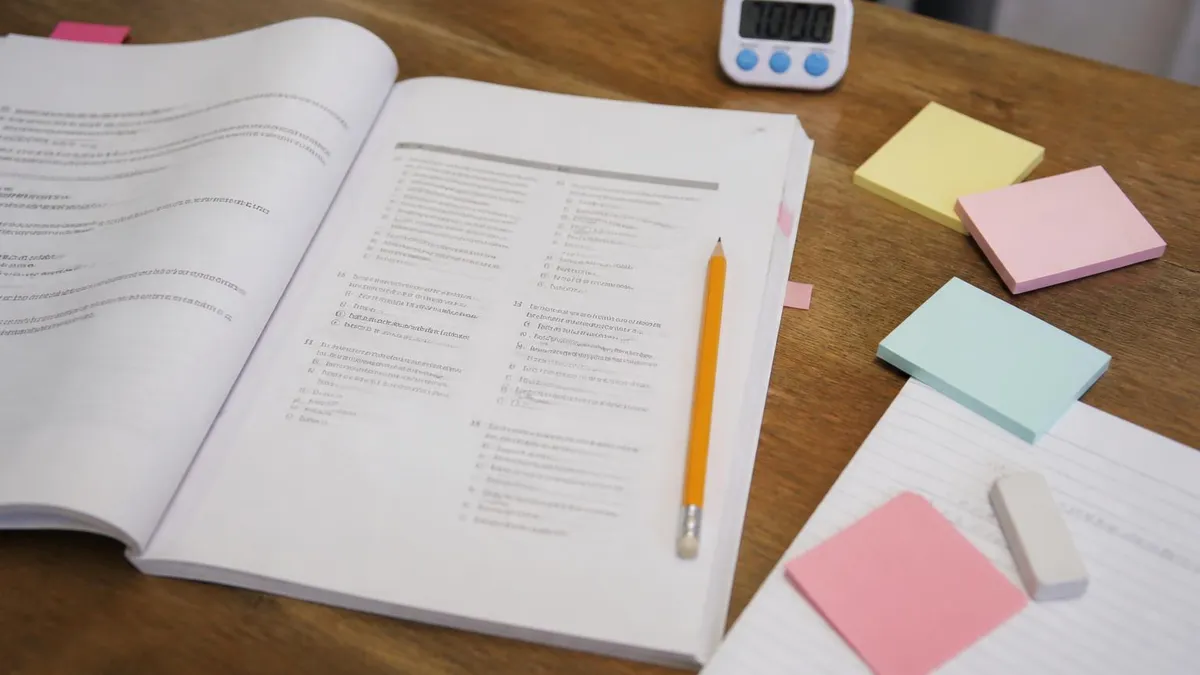
While the Common Core State Standards provide a shared framework adopted (in some form) by most US states, individual states have their own specific ELA standards documents that govern what is taught and tested in public schools. States like Texas (TEKS), Virginia (SOLs), and California (ELA/ELD Framework) use their own standards, which share many similarities with Common Core but differ in specific expectations, terminology, and emphases. Always check your state's specific standards document to understand exactly what skills are prioritized at each grade level.
Preparing for ELA assessments — whether state standardized tests, classroom exams, or college entrance tests like the SAT or ACT — requires understanding both the content being measured and the specific format of the test. ELA sections on standardized tests typically assess reading comprehension, evidence-based writing, language conventions, and sometimes listening skills. Students who understand the structure of these assessments and practice with realistic test materials consistently outperform students who rely solely on regular classroom instruction without targeted test preparation.
Reading comprehension questions on ELA tests generally fall into a few predictable categories: identifying main idea and central theme, making inferences and drawing conclusions, analyzing author's craft and structure, evaluating evidence and reasoning, and comparing information across multiple texts or passages. Students who learn to recognize these question types and apply specific strategies for each — such as locating the paragraph where a referenced detail appears before answering, or identifying the claim before evaluating whether evidence supports it — dramatically improve both their speed and accuracy on timed assessments.
Writing tasks on ELA tests often require students to read one or more source texts and then write an essay that uses evidence from those sources to support a claim. This evidence-based writing format appears on state tests like SBAC and PARCC, as well as on the SAT and ACT essay sections. Students who practice the specific moves required by this format — introducing sources, integrating quotations, explaining how evidence supports the claim, and addressing counterclaims — are far better prepared than students who only practice open-topic personal essays or creative writing assignments.
Vocabulary in context is another heavily tested area on ELA assessments. Rather than asking students to define isolated words from a memorized list, tests present vocabulary within a passage and ask students to determine the meaning of a word as it is used in that specific context. This approach rewards students who have learned to use context clues, understand word roots and affixes, and recognize how connotation shifts meaning. Regular practice reading complex texts — and pausing to work out the meaning of unfamiliar words before checking a dictionary — builds exactly these skills.
Time management is a frequently overlooked aspect of ELA test preparation. Reading passages on standardized tests are often dense and lengthy, and students who have not practiced reading efficiently under time pressure often run out of time before completing all sections. Timed practice with realistic passages trains students to read actively and purposefully, moving through a text with specific questions in mind rather than reading every sentence at the same pace regardless of its importance to the questions being asked. This is a learnable skill that improves measurably with practice.
One of the most effective preparation strategies for ELA tests at any level is taking full-length practice tests under realistic conditions. Simulating the actual testing experience — same time limits, same question format, no interruptions — helps students build the stamina and focus required for a multi-hour standardized test.
After completing a practice test, the review process is just as important as the test itself: students should identify not just which questions they got wrong, but why, and what specific skill or knowledge gap led to the error. This diagnostic approach transforms practice tests from a measurement tool into a learning tool.
For students preparing for ELA assessments, consistent and structured practice with quality materials is the most reliable path to improvement. Practice tests organized around specific ELA skills — such as argument analysis, poetry interpretation, or evidence-based writing — allow students to target their weakest areas efficiently. Using a mix of full-length practice tests and skill-specific drills ensures both comprehensive preparation and targeted improvement where it matters most for each individual student's performance.
Building strong ELA skills is a long-term project, but there are concrete daily habits that produce measurable results over time. The most important is reading — not just assigned texts, but self-selected reading in whatever genre or format the student finds genuinely engaging. Research by literacy scholar Stephen Krashen established decades ago that free voluntary reading is one of the most powerful drivers of language acquisition, vocabulary growth, and reading comprehension improvement. Students who read for pleasure outside of school consistently outperform those who do not, regardless of socioeconomic background or prior achievement levels.
Writing regularly outside of formal assignments is equally valuable. Keeping a journal, writing letters, maintaining a blog, or even texting with attention to clear and precise language all contribute to writing fluency. The more students practice expressing their thoughts in written form, the more natural and efficient the writing process becomes. Students who find academic writing stressful often discover that low-stakes daily writing practice reduces anxiety and increases confidence when formal writing assignments are due. The goal is to make writing feel like a natural form of thinking, not a performance anxiety trigger.
Vocabulary development is most effective when it happens in context rather than through isolated word lists. When students encounter an unfamiliar word in their reading, the most productive response is to try to infer its meaning from context clues before looking it up, then record the word in a personal vocabulary notebook with its definition, a sentence from the original text, and a new sentence composed by the student.
This multi-step encoding process dramatically improves retention compared to simply reading a definition once. Apps and flashcard tools can supplement this process, but they work best when connected to words encountered in real reading rather than arbitrary word lists.
Discussion and debate — formal or informal — sharpen both oral communication skills and the analytical thinking that underlies strong reading and writing. Students who regularly practice articulating their interpretations of texts, defending their positions with evidence, and engaging with counterarguments develop the habits of mind that make ELA work feel natural and purposeful rather than mechanical. Parents can facilitate this at home by asking open-ended questions about books their children are reading, news stories, or films — not to quiz their children, but to model the kind of thoughtful, evidence-grounded conversation that is the goal of ELA instruction.
Grammar and mechanics improve most efficiently through revision of students' own writing rather than through decontextualized exercises. When a student learns a grammar rule in the context of fixing an error in their own essay — a sentence they wrote, an idea they care about expressing clearly — the learning sticks far more effectively than when the same rule is presented in a workbook exercise.
Teachers who build grammar instruction into the writing workshop model report better outcomes than those who teach grammar as a separate subject, and this insight has substantial backing in the research literature on effective writing instruction.
For students who are preparing for specific ELA assessments, working backward from the test format is a smart strategic approach. Start by identifying the specific skills and question types on the target assessment. Then find high-quality practice materials that mirror those formats — not just general reading comprehension exercises, but materials designed to replicate the actual test experience. Review every missed question with genuine curiosity about what went wrong, not just frustration about the wrong answer. Over time, this deliberate practice approach transforms weaknesses into strengths and builds the confidence that comes from genuine preparation.
Finally, remember that ELA skills compound. Every book read, every essay written, every discussion participated in builds on what came before. There are no shortcuts to literacy — but there is a reliable path, and it runs through daily engagement with language in all its forms. Students who embrace ELA not as a subject to survive but as a set of skills to develop will find that those skills open doors in every area of academic and professional life, from the science lab to the boardroom to the ballot box.
ELA Questions and Answers

ELA Lessons: Grade-Band Guide to Reading, Writing, and Language Strands

ELA Questions: Complete Guide to Types, Strategies, and Practice

4th Grade ELA Worksheets: Complete Guide to Reading, Writing, and Language Skills

Ace Your ELA (English Language Arts) Test: Expert Tips

Georgia ELA Standards: Complete Guide to Reading, Writing, and Language Expectations
About the Author

Educational Psychologist & Academic Test Preparation Expert
Columbia University Teachers CollegeDr. Lisa Patel holds a Doctorate in Education from Columbia University Teachers College and has spent 17 years researching standardized test design and academic assessment. She has developed preparation programs for SAT, ACT, GRE, LSAT, UCAT, and numerous professional licensing exams, helping students of all backgrounds achieve their target scores.
Join the Discussion
Connect with other students preparing for this exam. Share tips, ask questions, and get advice from people who have been there.
View discussion (8 replies)