
CSSD Registration: Complete Guide to Requirements, Training & Certification
Learn how to cssd register — eligibility, training steps, costs & exam tips for Central Sterile Services careers. ✅ Full 2026 October guide.

If you are ready to cssd register and launch a career in Central Sterile Services Department (CSSD) technology, understanding the full registration pathway is the single most important step you can take before submitting any application. The CSSD field is responsible for cleaning, disinfecting, packaging, and sterilizing medical instruments used in operating rooms, clinics, and patient care units across the country. Errors in this process can lead to patient harm, which is precisely why employers demand formally registered and credentialed technicians.
Registration in CSSD typically refers to the process of enrolling in an accredited training program, completing required clinical hours, and sitting for a nationally recognized certification examination. The most widely recognized credential in the United States is the Certified Registered Central Service Technician (CRCST) credential offered by the Healthcare Sterile Processing Association (HSPA, formerly IAHCSMM). Earning this credential demonstrates that a technician meets national competency standards and understands the science behind infection prevention.
Many prospective CSSD technicians are surprised to discover that formal registration and credentialing pathways vary by state. Some states, such as New Jersey, New York, and California, have enacted legislation requiring hospital sterile processing personnel to hold or be actively pursuing a recognized certification. In states without specific mandates, individual hospital systems and health networks have adopted their own credentialing requirements. Either way, getting registered early in your career gives you a major competitive advantage on the job market.
The registration process generally involves several interrelated steps: verifying your eligibility, selecting an accredited training program or employer-based apprenticeship, accumulating the required hands-on work experience, completing any mandatory continuing education units, and finally applying for the certification examination. Each of these phases has specific timelines and cost implications that you should plan around well in advance. Skipping steps or applying before meeting minimum requirements will result in application rejection and wasted fees.
Once you complete cssd registration and earn your credential, you gain access to a growing field with strong job security. The U.S. Bureau of Labor Statistics projects steady demand for medical equipment preparers through the decade, and the increasing complexity of surgical instruments — particularly robotic and minimally invasive devices — means facilities need highly trained sterile processing professionals more than ever before. Registered technicians consistently report higher starting wages, faster promotions, and access to specialized roles in instrument tracking and quality assurance.
This guide breaks down every component of CSSD registration in the United States, from prerequisite education and work experience requirements to examination formats, costs, and renewal obligations. Whether you are a new high school graduate exploring healthcare careers, a hospital aide looking to formalize your skills, or a seasoned technician from another country seeking U.S. equivalency, this article will give you the complete roadmap you need to succeed in the registration process.
Throughout this guide, you will also find practical study strategies, insider tips from working CSSD professionals, and direct links to practice quizzes that mirror the actual certification exam content. The more thoroughly you prepare for both the registration application and the exam itself, the smoother your transition into this rewarding healthcare specialty will be. Let us start at the very beginning with the numbers that define this profession.
CSSD Registration by the Numbers

Step-by-Step CSSD Registration Pathway
Verify Basic Eligibility
Enroll in an Accredited Training Program
Accumulate 400+ Clinical Hours
Submit CRCST Exam Application
Pass the CRCST Examination
Maintain & Renew Your Credential
Selecting the right training program is one of the most consequential decisions you will make during the CSSD registration journey. The two dominant pathways are employer-based on-the-job training (OJT) and formal academic programs offered through community colleges or vocational schools. Each has distinct advantages depending on your schedule, financial situation, and the local job market. Employer-based OJT programs are often free or partially subsidized, and they allow you to earn a paycheck while learning — a significant advantage for candidates who cannot afford to forgo income during training.
Academic sterile processing programs at community colleges typically cost between $1,500 and $5,000 in tuition and fees, and they take three to twelve months to complete depending on program intensity. These programs often include both online coursework and in-person clinical rotations at affiliated hospitals. One key benefit of the academic route is that instructors are experienced CSSD professionals who prepare students specifically for the CRCST exam, often embedding practice questions and mock exams directly into the curriculum. Graduates of these programs frequently report feeling better prepared for the exam on day one of their job.
Regardless of which training pathway you choose, HSPA requires that all CRCST exam applicants document at least 400 hours of hands-on experience working in an actual sterile processing department. These hours cannot be completed in a simulation lab alone — they must take place in a functioning hospital or ambulatory surgery center CSSD. The hours log must be signed by a supervisor or manager who can attest to the quality and breadth of your experience across all functional areas: decontamination, assembly, sterilization, and sterile storage and distribution.
The decontamination area is often where new technicians begin their hands-on hours because it represents the entry point for all soiled instruments returning from clinical use. In decontamination, you will learn to operate washer-disinfectors and ultrasonic cleaners, perform manual cleaning on complex instruments, inspect devices for residual bioburden, and document cleaning outcomes. Mastering this area is essential not just for passing the exam but for understanding the infection control rationale that underlies every subsequent step in the sterilization workflow.
After decontamination, training moves into the preparation and packaging area, where technicians learn to inspect instruments for functionality and damage, assemble complex surgical sets according to count sheets, select appropriate packaging materials (pouches, wraps, and rigid containers), and apply chemical indicators and labels. This phase of training demands exceptional attention to detail because packaging errors — such as improper sealing or incorrect indicator placement — can result in instruments being used without assurance of sterility, posing serious patient safety risks.
Sterilization training covers the operation and monitoring of multiple sterilization modalities. Steam sterilization in gravity and pre-vacuum autoclaves is the workhorse of most CSSD departments, but technicians must also understand ethylene oxide (EO), hydrogen peroxide plasma (STERRAD), and vaporized hydrogen peroxide (VHP) systems for heat-sensitive devices. Each modality requires specific cycle parameters, biological and chemical monitoring protocols, and documentation practices. Understanding the science behind each technology — not just the operational steps — is what separates a skilled registered technician from an untrained aide.
During your training hours, take every opportunity to shadow experienced technicians in the quality assurance and management roles within your department. CSSD quality assurance encompasses Bowie-Dick testing, biological indicator incubation, instrument tracking system management, and regulatory compliance documentation. Many CSSD managers report that the candidates who advance most rapidly are those who proactively seek exposure to QA responsibilities early in their careers, because this cross-functional knowledge prepares them for leadership roles and specialty certifications that build on the foundational CRCST credential.
CSSD Certification Exam Pathways Explained
The Certified Registered Central Service Technician (CRCST) examination administered by the Healthcare Sterile Processing Association (HSPA) is the most widely recognized credential for entry-level CSSD professionals in the United States. The exam consists of 125 multiple-choice questions covering decontamination, preparation and packaging, sterilization, sterile storage, distribution, quality assurance, and safety. Candidates must score at or above the passing threshold, which is determined through a scaled scoring methodology updated periodically by HSPA.
To be eligible for the CRCST exam, applicants must complete a minimum of 400 verified hands-on hours in a functioning sterile processing department. There is no formal educational prerequisite beyond a high school diploma, making this one of the more accessible entry points into allied health credentialing. The exam is offered via Pearson VUE testing centers nationwide, and candidates have the option of remote proctored testing. Application fees are approximately $165 for HSPA members and $230 for non-members, with retake fees applying if a candidate does not pass on the first attempt.

Pursuing CSSD Registration: Benefits and Challenges
- +Formal credential increases starting salary by an average of $4,000–$8,000 annually compared to uncredentialed technicians
- +Registration opens doors to supervisory, quality assurance, and instrument tracking specialist roles
- +Nationally portable credential recognized by hospitals and surgery centers in all 50 states
- +Demonstrates commitment to patient safety, making you a more attractive hire during competitive job searches
- +Access to HSPA and CBSPD professional networks, conferences, and ongoing education resources
- +Annual CE requirement keeps your knowledge current with evolving sterilization technology and regulatory standards
- −Minimum 400 clinical hours must be completed before exam eligibility, which can take several months to accumulate
- −Exam fees ($165–$230) plus study materials can represent a significant upfront investment for new technicians
- −Annual renewal fees and 12 CE credits per year add ongoing financial and time commitments
- −Some rural markets have limited testing center availability, requiring travel to a Pearson VUE location
- −Exam content covers advanced microbiology and chemistry that can be challenging without formal science coursework
- −States with mandatory credentialing laws impose strict timelines that may create employment pressure for new hires still completing requirements
CSSD Registration Preparation Checklist
- ✓Obtain a high school diploma or GED and gather official transcripts before applying to any training program.
- ✓Complete hepatitis B vaccination series and gather immunization records required by most healthcare training sites.
- ✓Research and compare HSPA-recognized training programs and employer OJT opportunities in your geographic area.
- ✓Enroll in an accredited sterile processing didactic course covering all CRCST exam content domains.
- ✓Secure a position or training placement in a hospital CSSD department to begin accumulating your 400+ required clinical hours.
- ✓Document every clinical hour worked with supervisor signatures on an official HSPA hours verification form.
- ✓Create a structured study schedule covering all exam domains: decontamination, packaging, sterilization, QA, and safety.
- ✓Use CRCST practice tests and domain-specific quizzes to identify knowledge gaps at least 8 weeks before your exam date.
- ✓Submit your completed CRCST or CBSPD application with all required documentation and the correct examination fee.
- ✓Schedule your exam date through Pearson VUE immediately upon receiving your authorization-to-test notification.
Start Accumulating Clinical Hours on Day One of Employment
Many candidates delay starting their official hours log, assuming they need to finish classroom training first — but HSPA allows you to count hours worked in a real CSSD department even before you complete a formal training program. Starting your documentation from your very first day on the job can shave months off your path to exam eligibility. Ask your CSSD manager to sign your hours log weekly so records stay accurate and complete.
Understanding the full cost structure of CSSD registration helps you budget appropriately and avoid financial surprises that could derail your credentialing timeline. The most significant upfront cost for most candidates is examination fees. HSPA charges approximately $165 for members and $230 for non-members to sit for the CRCST exam. HSPA membership itself costs around $99 per year, so joining before applying typically results in net savings if you factor in the discounted exam fee. Retake fees are $100–$150, so investing in thorough exam preparation is always cost-effective in the long run.
Training program costs vary enormously depending on the pathway you choose. Employer-sponsored OJT programs are typically free to the participant, though they may require you to commit to a minimum employment period after credentialing. Community college sterile processing certificate programs range from $1,500 to $5,000 in total tuition and fees, depending on program length and institution. Online self-study courses through HSPA and third-party providers range from $200 to $800 and include study guides, practice exams, and access to video instruction modules covering all CRCST exam domains.
Study materials represent another meaningful cost category. The HSPA CRCST study guide retails for approximately $75–$120 depending on edition and format. Flashcard decks, practice test platforms, and supplementary anatomy or microbiology textbooks can add another $50–$150 to your preparation budget. Many candidates use free or low-cost practice question resources available online to supplement paid study guides, and several platforms offer mobile-friendly quiz apps specifically designed around CRCST exam content domains.
Annual renewal costs must be factored into your long-term career budget. HSPA's annual renewal fee for the CRCST credential is approximately $50 for members and $100 for non-members. To qualify for renewal, you must complete 12 continuing education contact hours each year through HSPA-approved providers. CE opportunities include live workshops at the HSPA annual conference, online webinars averaging $15–$35 each, journal-based self-study modules, and in-house hospital education programs. Many hospitals cover a portion or all of renewal fees as part of their employee education benefits.
State-specific costs may also apply in jurisdictions with mandatory credentialing laws. New Jersey, for example, requires sterile processing technicians to register with the state in addition to holding a national credential, and this registration carries its own application fee and renewal cycle. Always check with your state health department or professional licensing board to determine whether additional state-level registration fees apply in your location before budgeting for your credentialing pathway.
For candidates experiencing financial hardship, several resources can help offset registration costs. The HSPA Foundation awards scholarships each year to sterile processing students and early-career technicians. Some hospitals offer tuition reimbursement programs that cover training and examination costs in exchange for a period of continued employment. Federal Workforce Innovation and Opportunity Act (WIOA) funding, administered through state employment agencies, can cover training costs for qualifying individuals pursuing careers in high-demand healthcare fields, including sterile processing.
When calculating the return on your investment in CSSD registration, the numbers are compelling. Credentialed sterile processing technicians earn an average of $4,000–$8,000 more per year than uncredentialed workers in comparable roles, according to HSPA salary surveys. Over a 10-year career, this wage premium represents $40,000–$80,000 in additional income — far outweighing the total cost of examination fees, study materials, and annual renewals. Viewed through this lens, investing in CSSD registration is one of the highest-return education decisions available in the allied health field.
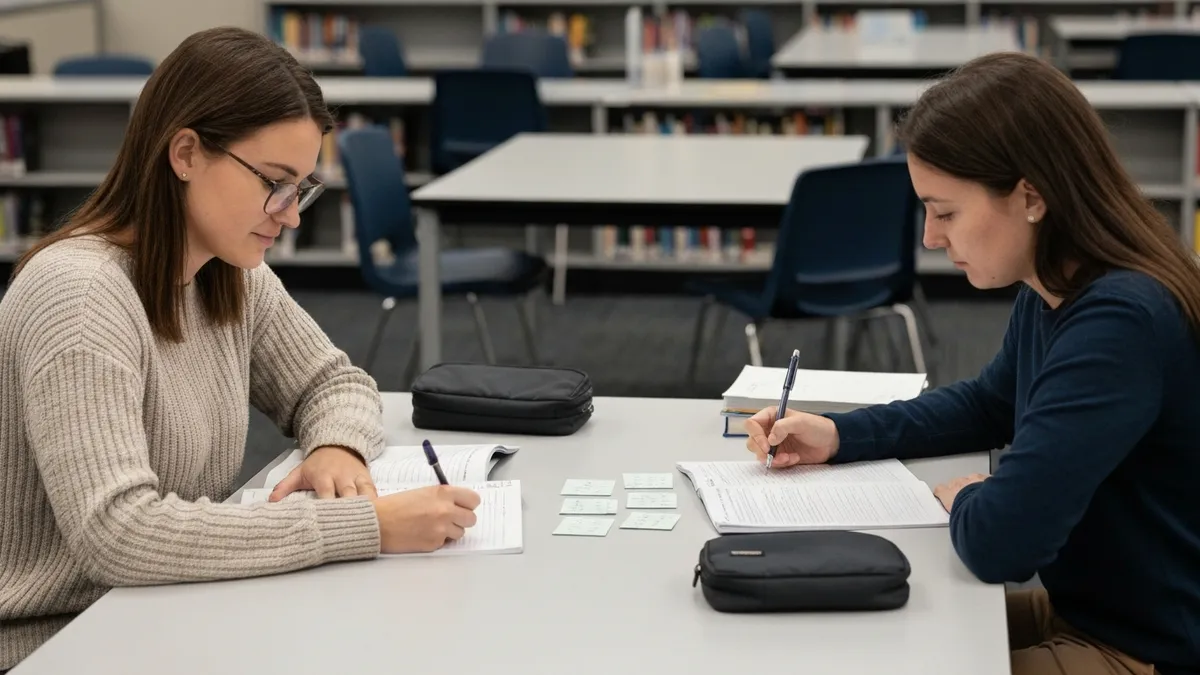
Once HSPA approves your CRCST exam application, you typically have a 90-day window in which to schedule and sit for the examination. If you do not test within this window, your application expires and you must reapply and pay the examination fee again. Plan your study schedule so that you are fully prepared before submitting your application — not after — to avoid paying duplicate fees for an unused authorization-to-test notice.
Career advancement after CSSD registration follows a well-defined trajectory that rewards ongoing education and expanded credentialing. Most registered technicians begin in general CSSD technician roles covering all functional areas on a rotating basis. After one to two years of experience, many technicians specialize in areas such as endoscope reprocessing, instrument repair and maintenance, or sterile storage and distribution management. These specialty roles typically carry a wage premium of $2–$5 per hour above general technician pay rates, reflecting the advanced skill and knowledge required.
Supervisory roles in CSSD — including lead technician, shift supervisor, and department coordinator — are almost exclusively filled by credentialed individuals. HSPA offers additional specialty certifications that can accelerate advancement into these roles. The Certified Instrument Specialist (CIS) credential demonstrates advanced competency in surgical instrument care and handling, while the Certified Healthcare Leader (CHL) credential is designed specifically for CSSD managers and directors. Holding multiple HSPA credentials signals a serious commitment to professional excellence that hospital administrators recognize and reward.
The growing complexity of surgical technology is creating new specialized roles within CSSD that did not exist a decade ago. Robotic surgical systems such as the da Vinci platform use complex instruments with long, narrow channels that require specialized cleaning verification methods. Flexible endoscope reprocessing specialists must understand high-level disinfection chemistry, automated endoscope reprocessors, and the detailed channel brushing and drying protocols required to prevent waterborne pathogen contamination. As these technologies proliferate, technicians with documented expertise in reprocessing these devices command premium compensation and are actively recruited by academic medical centers and specialty surgery hospitals.
Instrument tracking and traceability technology represents another rapidly growing specialty area. Most modern hospitals now use barcode or RFID-based instrument tracking systems to document the complete life cycle of every surgical instrument from patient use through decontamination, sterilization, and return to the surgical suite. CSSD technicians who develop expertise in managing these systems — including troubleshooting scan errors, managing instrument sets in the database, and generating compliance reports — are positioned for hybrid roles that combine technical CSSD skills with health informatics competencies.
Geographic factors influence career advancement opportunities in sterile processing. Large metropolitan areas with high concentrations of academic medical centers, specialty hospitals, and ambulatory surgery centers offer the broadest range of advancement opportunities and typically pay the highest wages. According to HSPA salary data, CSSD technicians in states such as California, New York, and Massachusetts earn significantly more than the national average, with experienced credentialed technicians in major cities earning $30–$35 per hour or more. Rural markets offer fewer advancement opportunities but often provide faster promotion timelines due to smaller competitive pools.
Travel CSSD technician positions have emerged as a lucrative option for registered technicians willing to relocate temporarily for contract assignments. Staffing agencies place credentialed sterile processing professionals on 13-week contracts at hospitals experiencing staffing shortages, with all-in compensation packages that can reach $2,000–$3,000 per week including housing stipends and travel reimbursements. These positions require strong foundational skills and the ability to adapt quickly to unfamiliar instrument tracking systems and departmental workflows, making CRCST registration an absolute prerequisite for consideration by most travel healthcare staffing agencies.
Long-term career trajectories in CSSD can also lead to roles in hospital administration, regulatory compliance consulting, and medical device industry positions. Experienced CSSD managers frequently transition into infection control coordinator roles, joint commission preparation specialist positions, or consulting roles with sterilization equipment manufacturers and distributors. The combination of hands-on technical expertise and regulatory knowledge that CSSD registration represents creates a versatile professional profile that opens doors well beyond the sterile processing department itself.
Building an effective study plan for the CRCST examination is the final and most critical phase of your CSSD registration journey. Candidates who approach exam preparation haphazardly — cramming in the days before their test — consistently underperform compared to those who follow a structured multi-week curriculum. Most CSSD education experts recommend 8–12 weeks of organized study time for first-time exam takers, with daily study sessions of 45–90 minutes covering one or two content domains at a time. This spaced learning approach uses cognitive science principles that enhance long-term retention of complex technical material.
Begin your study plan by downloading the official HSPA CRCST exam content outline, which breaks the exam into specific domain areas with their percentage weight on the test. Domains with higher weight — such as decontamination, sterilization, and quality assurance — deserve proportionally more study time than lower-weighted domains.
Use this weighting as the framework for allocating study hours across your 8–12 week timeline, assigning more days to heavier domains and fewer days to lighter ones. Revisiting your weakest areas in the final two weeks before the exam ensures recent, active recall of the content most likely to challenge you on test day.
Active recall through practice questions is the single most effective study strategy for multiple-choice certification exams. Passive reading of study guides creates an illusion of familiarity that does not translate into test performance. Instead, read a section of your study guide, close the book, and then immediately answer 10–15 practice questions on that section.
The act of retrieving and applying information — rather than simply recognizing it on the page — builds the durable neural pathways that allow you to perform under timed exam conditions. Aim for a practice question accuracy rate of 80% or higher on each domain before considering yourself ready for the actual exam.
Simulation of exam conditions during your practice sessions eliminates test-day anxiety and improves time management. The CRCST exam gives candidates two hours to answer 125 questions, which works out to approximately 58 seconds per question. Practice answering timed blocks of 25–30 questions without pausing to look up answers, and review your incorrect responses only after completing the full timed block. This approach trains your brain to work at the pace required by the actual exam while also providing diagnostic data on which content areas need additional review in your remaining study weeks.
Peer study groups are an underutilized but highly effective strategy for CSSD exam preparation. Many hospital CSSD departments have multiple technicians studying for the CRCST exam simultaneously, and forming a weekly study group allows participants to quiz each other, explain challenging concepts in plain language, and share mnemonics for remembering complex sterilization parameters and chemical indicator types. Explaining material to a peer is one of the most powerful ways to consolidate your own understanding, and hearing another person's explanation of a concept you found confusing often provides the alternative framing needed to make it click.
Do not underestimate the physical and mental demands of exam day. Arrive at your Pearson VUE testing center at least 15 minutes early with two forms of valid government-issued ID, as the identity verification process is strict and any delay can add unnecessary stress before you begin.
The testing center will provide scratch paper and a pencil for working through complex questions. During the exam, use the flagging feature to mark questions you are uncertain about and continue moving forward — never spend more than two minutes on a single question on your first pass through the exam. Return to flagged questions after completing all others.
After you pass the CRCST exam, take a moment to recognize the significance of your achievement. Sterile processing registration represents a genuine commitment to patient safety and professional excellence in one of healthcare's most technically demanding support roles. The credential you earned is not a certificate of completion — it is evidence that you possess the knowledge and competency to protect patients from the devastating consequences of instrument-related infections. That responsibility, carried conscientiously every day you work in a CSSD department, is the foundation of a long and meaningful career in healthcare.
CSSD Questions and Answers
About the Author

Educational Psychologist & Academic Test Preparation Expert
Columbia University Teachers CollegeDr. Lisa Patel holds a Doctorate in Education from Columbia University Teachers College and has spent 17 years researching standardized test design and academic assessment. She has developed preparation programs for SAT, ACT, GRE, LSAT, UCAT, and numerous professional licensing exams, helping students of all backgrounds achieve their target scores.
Join the Discussion
Connect with other students preparing for this exam. Share tips, ask questions, and get advice from people who have been there.
View discussion (7 replies)