

CPD Practice Test
Updated October 2026Facts verified Oct 16, 2026 against American Society of Plumbing Engineers
The role of a plumbing designer is critical in ensuring the safe, efficient, and cost-effective design of plumbing systems in various buildings and infrastructures. Becoming a Certified Plumbing Designer (CPD) is an important step for professionals looking to improve their careers and expertise in the plumbing industry. This certification recognizes the ability to design effective and reliable plumbing systems while adhering to local codes and standards. In this guide, we'll explore the journey to becoming a Certified Plumbing Designer, what it involves, and how it can enhance your career. Practice with the free Certified Plumbing Designer practice test on PracticeTestGeeks (9 questions with answer explanations).
CPD: upcoming dates and official changes
- Updated Oct 16, 2026: Time limit is now 3.5 hours (210 minutes) (previously 3.5 hours (210 minutes)).
- Updated Oct 16, 2026: Delivery is now Remote proctored, electronic only (previously Remote proctoring).
Facts verified Oct 16, 2026 against American Society of Plumbing Engineers. Dates that have passed are removed automatically.
- The CPD exam consists of 100 multiple-choice questions. (American Society of Plumbing Engineers)
- CPD exam candidates have three hours and thirty minutes (210 minutes) to complete the exam. (American Society of Plumbing Engineers)
- CPD credentials are valid for 24 months. (American Society of Plumbing Engineers)
- CPD recertification requires 2.4 continuing education units (CEUs) every two years. (American Society of Plumbing Engineers)
- The ASPE Certified in Plumbing Design (CPD) exam is offered annually in electronic form only and is remotely proctored. (American Society of Plumbing Engineers)
- To sit for the CPD exam, a candidate needs full ASPE membership or prior approval, or at least four years of experience in a position of responsibility for plumbing system design. (American Society of Plumbing Engineers)
- CPD exam results are shared by email 6-8 weeks after the exam. (American Society of Plumbing Engineers)
Facts verified Oct 16, 2026 against American Society of Plumbing Engineers. Dates that have passed are removed automatically.
CPD Exam at a Glance
| Item | Detail | Official source |
|---|---|---|
| Number of questions | 100 multiple-choice questions | American Society of Plumbing Engineers |
| Time limit | 3.5 hours (210 minutes) | American Society of Plumbing Engineers |
| Validity | 24 months | American Society of Plumbing Engineers |
| Renewal | 2.4 CEUs per two-year period; $75 fee for ASPE members, $165 for non-members | American Society of Plumbing Engineers |
| Delivery | Remote proctored, electronic only | American Society of Plumbing Engineers |
| Eligibility | Full ASPE membership (or prior approval) or 4+ years in plumbing system design | American Society of Plumbing Engineers |
| Score release | By email 6–8 weeks after the exam | American Society of Plumbing Engineers |
| Next exam date | Spring 2027, dates TBD | American Society of Plumbing Engineers |
Facts verified Oct 16, 2026 against American Society of Plumbing Engineers. Dates that have passed are removed automatically.
Free Certified Plumbing Designer Study Tools
Interactive Certified Plumbing Designer resources on PracticeTestGeeks, free to start:
- Certified Plumbing Designer flashcards — review key terms and concepts card by card
- Certified Plumbing Designer study guide — topic-by-topic overview of what the exam covers
- Certified Plumbing Designer cheat sheet — one-page printable summary for last-minute review
CPD Practice Test Questions
Prepare for the CPD - Certified Plumbing Designer exam with our free practice test modules. Each quiz covers key topics to help you pass on your first try.
CPD Codes, Regulations, & Standards
CPD Exam Questions covering Codes, Regulations, & Standards. Master CPD Test concepts for certification prep.
CPD Fire Protection & Suppression Systems
Free CPD Practice Test featuring CPD Fire Protection & Suppression Systems. Improve your CPD Exam score with mock test prep.
CPD Storm Drainage & Site Utilities
CPD Mock Exam on CPD Storm Drainage & Site Utilities. CPD Study Guide questions to pass on your first try.
CPD Gas Piping Systems Design
CPD Test Prep for Gas Piping Systems Design. Practice CPD Quiz questions and boost your score.
CPD Materials Science & Specifications
CPD Questions and Answers on Materials Science & Specifications. Free CPD practice for exam readiness.
CPD Plumbing Systems Design
CPD Mock Test covering Plumbing Systems Design. Online CPD Test practice with instant feedback.
CPD Project Scheduling & Resource Management
Free CPD Quiz on Project Scheduling & Resource Management. CPD Exam prep questions with detailed explanations.
CPD Quality Control & Inspection Methods
CPD Practice Questions for Quality Control & Inspection Methods. Build confidence for your CPD certification exam.
CPD Safety Regulations & OSHA Compliance
CPD Test Online for Safety Regulations & OSHA Compliance. Free practice with instant results and feedback.
Key Takeaways
Free CPD Practice Test Online
Certified Plumbing Designers (CPDs) specialize in designing plumbing systems that are both efficient and compliant with building codes.
Obtaining the CPD certification requires a blend of education, work experience, and passing a comprehensive exam.
The certification can open doors to more advanced career opportunities in both residential and commercial plumbing projects.
CPDs must stay updated with industry standards, regulations, and technologies to maintain their certification.
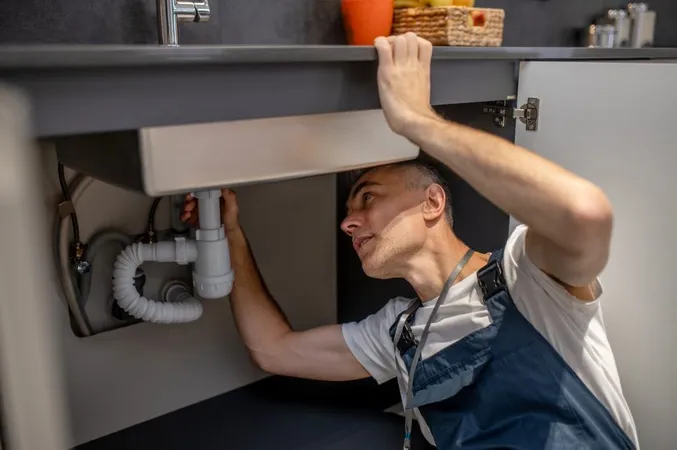
What is a Certified Plumbing Designer?
A Certified Plumbing Designer (CPD) is a professional who has proven expertise in designing plumbing systems that meet both functional and regulatory requirements. This role involves the planning, designing, and specification of plumbing systems in buildings, ensuring they meet safety standards and environmental guidelines. CPDs often work in commercial, industrial, and residential sectors, applying their knowledge of hydraulics, building codes, and sustainable practices to create efficient plumbing solutions.
Steps to Becoming a Certified Plumbing Designer
To achieve CPD certification, candidates must meet specific eligibility requirements:
Education and Training: A degree or diploma in a related field, such as mechanical engineering or plumbing design, is typically required.
Work Experience: Practical experience working in plumbing design or a related field is crucial. Most certifying bodies require a certain number of years in the field.
Certification Exam: The final step is passing the CPD certification exam, which tests your knowledge in areas such as plumbing systems, codes, and safety regulations.
Benefits of Certification
Becoming a CPD offers numerous benefits:
Career Advancement: The certification distinguishes professionals in the competitive plumbing industry, making them more attractive to employers.
Higher Earning Potential: CPDs are often paid at a higher rate compared to non-certified designers due to their advanced skill set.
Industry Recognition: Certification serves as proof of competence, leading to greater trust from clients, colleagues, and employers.
Maintaining Certification
To maintain CPD certification, professionals are required to participate in ongoing education to keep up with the latest plumbing technologies, building codes, and safety regulations. This may involve attending workshops, seminars, and courses relevant to the plumbing design industry.

Conclusion
Becoming a Certified Plumbing Designer is an excellent way for professionals to enhance their skills, increase their career prospects, and contribute to creating safe and efficient plumbing systems. By meeting the required educational and experience standards, passing the CPD exam, and engaging in continuous learning, individuals can ensure they stay at the top of their field. The CPD certification not only opens new career opportunities but also positions professionals as experts in the plumbing design industry.
CPD: Pros and Cons
- +CPD certification validates expertise recognized by employers nationwide
- +Certified professionals typically earn 15-20% higher salaries
- +Opens doors to advanced positions and leadership roles
- +Demonstrates commitment to professional standards and ethics
- +Builds a strong professional network through certification communities
- −Exam preparation typically requires 2-4 months of dedicated study
- −Certification and exam fees can range from $150-$500+
- −Must complete continuing education to maintain active certification
- −Pass rates vary — thorough preparation is essential for success
- −Some certifications require prerequisite experience or education
Pros and Cons at a Glance
| Pros | Cons |
|---|---|
| CPD certification validates expertise recognized by employers nationwide | Must complete continuing education to maintain active certification |
| Opens doors to advanced positions and leadership roles | Pass rates vary — thorough preparation is essential for success |
| Demonstrates commitment to professional standards and ethics | Some certifications require prerequisite experience or education |
Sample Certified Plumbing Designer Practice Questions
Try these questions from our free Certified Plumbing Designer practice tests. The correct answer and an explanation follow each question.
What is a common challenge professionals face when applying quality control & inspection methods principles in Certified Plumbing Designer?
- A. Balancing theoretical knowledge with practical application
- B. Having too much support from colleagues
- C. Excessive simplicity of industry regulations
- D. Lack of any professional development opportunities
Answer: A. Balancing theoretical knowledge with practical application
Balancing theoretical knowledge with practical application is a well-recognized challenge, as real-world scenarios often present complexities not covered in standard training.
Which quality improvement method is most applicable to materials science & specifications in Certified Plumbing Designer?
- A. Ignoring feedback and maintaining status quo
- B. Making changes only when mandated by regulators
- C. Plan-Do-Check-Act (PDCA) continuous improvement cycle
- D. Implementing changes without measuring outcomes
Answer: C. Plan-Do-Check-Act (PDCA) continuous improvement cycle
The PDCA cycle is widely recognized as the most effective quality improvement method, allowing CPD professionals to systematically improve materials science & specifications practices.
Which quality improvement method is most applicable to project scheduling & resource management in Certified Plumbing Designer?
- A. Ignoring feedback and maintaining status quo
- B. Making changes only when mandated by regulators
- C. Plan-Do-Check-Act (PDCA) continuous improvement cycle
- D. Implementing changes without measuring outcomes
Answer: C. Plan-Do-Check-Act (PDCA) continuous improvement cycle
The PDCA cycle is widely recognized as the most effective quality improvement method, allowing CPD professionals to systematically improve project scheduling & resource management practices.
What is a common challenge professionals face when applying project scheduling & resource management principles in Certified Plumbing Designer?
- A. Balancing theoretical knowledge with practical application
- B. Having too much support from colleagues
- C. Excessive simplicity of industry regulations
- D. Lack of any professional development opportunities
Answer: A. Balancing theoretical knowledge with practical application
Balancing theoretical knowledge with practical application is a well-recognized challenge, as real-world scenarios often present complexities not covered in standard training.
(CPD) Certified Plumbing Designer Questions and Answers
About the Author

Licensed Contractor & Trades Certification Expert
Purdue UniversityMichael Torres earned his Bachelor of Science in Civil Engineering from Purdue University and holds master plumber and general contractor licenses in multiple states. With 18 years of field experience and 8 years teaching apprenticeship programs, he is a trusted resource for tradespeople preparing for journeyman and master-level licensing exams.