
CPAN Prep Course: Your Guide to Nursing Certification
Free abpanc practice test with questions and answer explanations. Prepare for the 2026 May exam with instant scoring and study guides.
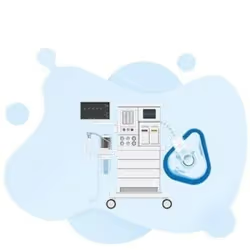
Pursuing the CPAN (Certified Post Anesthesia Nurse) certification is a significant step for nursing professionals looking to excel in perianesthesia care. This certification not only validates your expertise in post-anesthesia nursing but also boosts your professional credentials, making you a valuable asset in the healthcare industry. In this guide, we’ll explore what CPAN certification entails, how to prepare for the exam, the responsibilities of a certified post-anesthesia nurse, and much more.
CPAN Practice Test Questions
Prepare for the CPAN - Certified Post Anesthesia Nurse exam with our free practice test modules. Each quiz covers key topics to help you pass on your first try.
CPAN Benefits of Accreditation
CPAN Exam Questions covering Benefits of Accreditation. Master CPAN Test concepts for certification prep.
CPAN Clinical Procedures and Protocols
Free CPAN Practice Test featuring Clinical Procedures and Protocols. Improve your CPAN Exam score with mock test prep.
CPAN Pain Management
CPAN Mock Exam on CPAN Pain Management. CPAN Study Guide questions to pass on your first try.
CPAN Post-Operative Complications and Inte...
CPAN Test Prep for CPAN Post-Operative Complications and Interventions. Practice CPAN Quiz questions and boost your score.
CPAN Respiratory and Airway Management
CPAN Questions and Answers on CPAN Respiratory and Airway Management. Free CPAN practice for exam readiness.
CPAN Credential Requirements
CPAN Mock Test covering Credential Requirements. Online CPAN Test practice with instant feedback.
CPAN Documentation and Record Keeping
Free CPAN Quiz on Documentation and Record Keeping. CPAN Exam prep questions with detailed explanations.
CPAN Emergency Response Procedures
CPAN Practice Questions for Emergency Response Procedures. Build confidence for your CPAN certification exam.
CPAN Patient Assessment and Evaluation
CPAN Test Online for Patient Assessment and Evaluation. Free practice with instant results and feedback.
CPAN Patient Communication Skills
CPAN Study Material on Patient Communication Skills. Prepare effectively with real exam-style questions.
CPAN Pharmacology Fundamentals
Free CPAN Test covering Pharmacology Fundamentals. Practice and track your CPAN exam readiness.
CPAN Professional Ethics and Standards
CPAN Exam Questions covering Professional Ethics and Standards. Master CPAN Test concepts for certification prep.
CPAN Roles and Responsibilities
Free CPAN Practice Test featuring Roles and Responsibilities. Improve your CPAN Exam score with mock test prep.
Key Takeaways
Free CPAN Practice Test Online
- CPAN certification enhances a nurse’s expertise in post-anesthesia care, providing career growth and professional recognition.
- Eligibility requires 1,200 hours of clinical experience in post-anesthesia nursing and an active RN license, ensuring preparedness for patient care.
- CPANs ensure safe and efficient recovery for patients, playing a vital role in monitoring and managing post-anesthesia care.
- Recertification every three years through continuing education or re-examination ensures CPANs stay current with best practices in the field.
Prepare for Your CPAN Certification: Exam Guide
The CPAN certification exam, administered by the American Board of Perianesthesia Nursing Certification (ABPANC), evaluates your knowledge and skills in perianesthesia care. Proper preparation is key to successfully passing this rigorous examination.
Here are some essential tips for preparing for the CPAN exam:
- Understand the Exam Content: The exam covers various domains, including physiological needs, behavioral health, and safety. Familiarize yourself with the content outline provided by ABPANC.
- Utilize Study Resources: Invest in CPAN prep courses, study guides, and practice tests designed specifically for this certification.
- Join Study Groups: Networking with peers can help you gain insights and share resources.
- Practice Time Management: Allocate dedicated study hours each day and take regular breaks to maintain focus
- ✓Review the official CPAN exam content outline
- ✓Take a diagnostic practice test to identify weak areas
- ✓Create a study schedule (4-8 weeks recommended)
- ✓Focus on your weakest domains first
- ✓Complete at least 3 full-length practice exams
- ✓Review all incorrect answers with detailed explanations
- ✓Take a final practice test 1 week before exam day
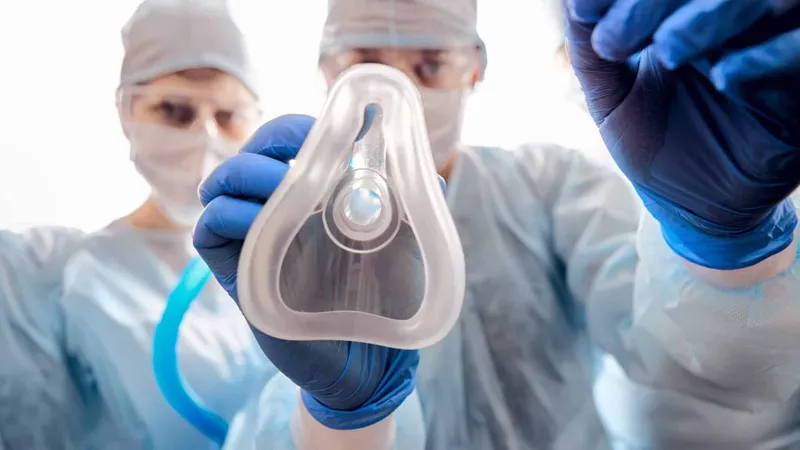
What is CPAN Certification?
The Certified Post Anesthesia Nurse (CPAN) certification is a professional credential that recognizes registered nurses with specialized expertise in caring for patients during the post-anesthesia phase.
Key aspects of CPAN certification:
- Administered by ABPANC: ABPANC oversees CPAN certification to ensure nurses meet rigorous standards.
- Focus on Post-Anesthesia Care: The certification validates your ability to manage patients recovering from anesthesia effectively.
- Enhances Career Opportunities: Earning CPAN certification demonstrates your commitment to excellence and can lead to career advancement.
Post-Anesthesia Nurse Responsibilities
Certified Post Anesthesia Nurses (CPANs) play a critical role in the recovery process of patients who have undergone procedures requiring anesthesia.
Primary Responsibilities:
- Monitoring Recovery: Track vital signs, consciousness levels, and pain management during recovery.
- Administering Medications: Deliver medications to address pain or complications post-surgery.
- Patient Education: Provide patients and families with instructions for post-anesthesia care.
- Emergency Response: Act swiftly in cases of adverse reactions or complications.
- Collaboration: Work with anesthesiologists, surgeons, and healthcare teams to ensure comprehensive care.
How to Become a Certified Post Anesthesia Nurse
To become CPAN-certified, you must meet eligibility criteria and successfully pass the certification exam.
Steps to Certification:
- Earn Your RN License: Obtain an active and unrestricted license as a registered nurse.
- Gain Clinical Experience: Complete at least 1,200 hours of direct patient care in post-anesthesia nursing within the two years prior to your application.
- Apply for the Exam: Submit your application through the ABPANC website and pay the exam fee.
- Prepare for the Exam: Use study guides, practice tests, and CPAN prep courses to strengthen your knowledge.
- Take the Exam: The CPAN exam includes 175 multiple-choice questions covering critical aspects of post-anesthesia care.


CPAN Certification Test: What You Need to Know
The CPAN test is designed to assess a nurse’s knowledge of post-anesthesia care, focusing on areas such as patient assessment, anesthesia effects, pain management, and complications. The test is administered by the American Board of Perianesthesia Nursing Certification (ABPANC), and a passing score demonstrates that a nurse has the expertise necessary to provide high-quality care in post-anesthesia settings.
Key areas covered by the CPAN test include:
- Anesthesia effects on the body: Understanding how different types of anesthesia impact patients' vital signs and physiological functions.
- Post-operative complications: Knowledge of common complications, such as respiratory depression or nausea, and how to address them.
- Pain management techniques: Familiarity with various methods to manage post-surgical pain, including opioid and non-opioid medications, and non-pharmacological techniques.
- Legal and ethical considerations: Ethical decision-making and patient rights in the post-anesthesia care environment.
Conclusions
Earning the CPAN certification is an excellent way for post-anesthesia nurses to demonstrate their expertise, improve patient care, and enhance their careers. By following a structured study plan, gaining hands-on experience, and utilizing available resources, nurses can successfully prepare for the CPAN exam. This certification not only provides professional recognition but also ensures that patients receive the highest level of care during their recovery from anesthesia. Additionally, it opens doors to advanced career opportunities and greater earning potential. As the healthcare industry continues to evolve, holding a CPAN certification will set nurses apart as leaders in the field of post-anesthesia care. With continuous education and recertification, CPAN-certified nurses can stay ahead of emerging practices and maintain the quality of care they deliver.
FAQs
To be eligible for the CPAN exam, you must hold a current Registered Nurse (RN) license and have at least 1,800 hours of experience in post-anesthesia care within the past 24 months.
CPAN certification is valid for three years. To maintain certification, nurses must complete continuing education requirements and pass a recertification exam.
The CPAN exam is comprehensive and tests knowledge in areas like patient assessment and anesthesia effects. With dedicated study, including reviewing core topics and taking practice exams, you can effectively prepare for the test.
You can register for the CPAN exam through the official American Board of Perianesthesia Nursing Certification (ABPANC) website, where you can find detailed instructions on registration and exam scheduling.
- +Industry-recognized credential boosts your resume
- +Higher earning potential (10-20% salary increase on average)
- +Demonstrates commitment to professional development
- +Opens doors to advanced career opportunities
- −Exam preparation requires significant time investment (4-8 weeks)
- −Certification fees can be $100-$400+
- −May require continuing education to maintain
- −Some employers may not require certification
CPAN Questions and Answers
About the Author
Registered Nurse & Healthcare Educator
Johns Hopkins University School of NursingDr. Sarah Mitchell is a board-certified registered nurse with over 15 years of clinical and academic experience. She completed her PhD in Nursing Science at Johns Hopkins University and has taught NCLEX preparation and clinical skills courses for nursing students across the United States. Her research focuses on evidence-based exam preparation strategies for healthcare certification candidates.