
Colorado Bar Swearing-In Ceremony: What to Expect After Passing the CO Bar
Everything about the colorado bar swearing in ceremony — timing, oath, CLE rules & next steps after passing. 🎓 Complete 2026 September guide.
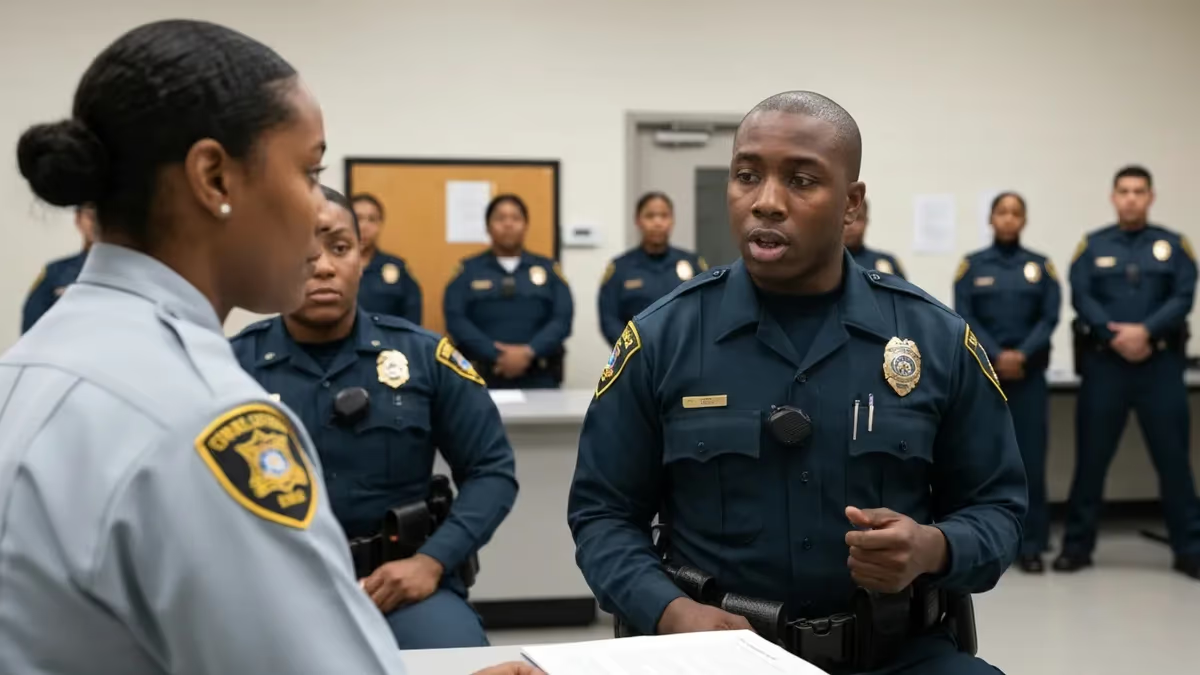
The colorado bar swearing in ceremony is the culminating milestone of your legal career launch — the moment when months or years of preparation, bar exam stress, and character review finally give way to an official oath before the Colorado Supreme Court.
Unlike the exam itself, the swearing-in is a joyful, relatively brief event, but it carries real legal weight: you are not authorized to practice law in Colorado until you have taken this oath and your name appears on the active roll of attorneys. Understanding exactly what happens, who attends, and what comes next will help you enter the day with confidence rather than confusion.
Most applicants who pass the Colorado Uniform Bar Exam are notified of their results within eight to ten weeks of the testing window. After receiving a passing score notification, the Colorado Supreme Court Office of Attorney Registration coordinates the swearing-in schedule and notifies successful candidates. The ceremony is typically held several weeks after results are released, giving the Office time to complete final character and fitness checks, confirm MPRE scores meet the required 85-point threshold, and process all documentation. You will receive formal notice by email with the date, time, and location of your assigned ceremony session.
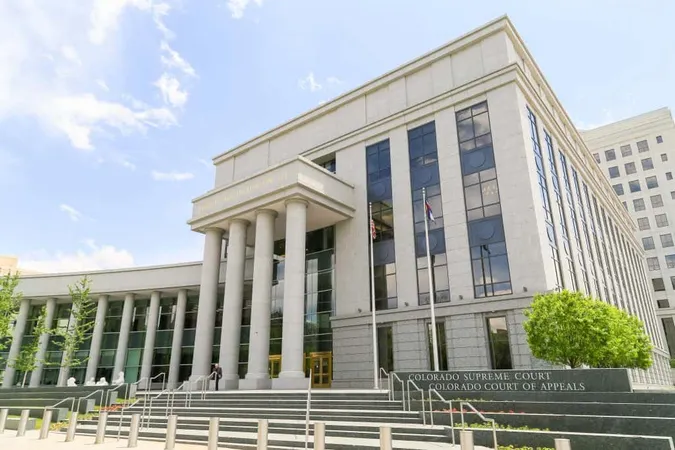
The ceremony itself is conducted in the courtroom of the Colorado Supreme Court, located in the Ralph L. Carr Colorado Judicial Center in Denver. The building opened in 2013 and is one of the more architecturally striking government buildings in the Mountain West, which makes the swearing-in setting particularly memorable. Candidates are typically called in groups, so multiple ceremonies may be scheduled across a single day or spread over two days following a major bar exam administration. Each session usually accommodates between 50 and 200 new attorneys, depending on the exam cycle and pass rate for that administration.
Family members, friends, mentors, and colleagues are warmly welcome to attend. There is no strict guest limit imposed at the Supreme Court level, though seating in the main courtroom is finite and the Office of Attorney Registration may provide guidance on overflow seating or livestream options if a particular ceremony is especially large. Many new attorneys arrange for a supervising attorney or law school professor to formally introduce them to the court, a tradition that adds personal significance to the proceedings. Some families travel considerable distances to witness this milestone, so confirming the exact schedule well in advance is wise.
On the day of the ceremony, dress is business formal or business professional. The Colorado Supreme Court is an active judicial institution, and the same decorum expected in any courtroom applies. Arrive early — at least 30 minutes before the scheduled start — to check in with court staff, receive your assigned seat, and review any last-minute instructions.
You will likely complete or confirm some paperwork upon arrival, including verification that your mailing address for bar card delivery is accurate. Photography policies vary; confirm with the Office of Attorney Registration whether personal photography is permitted in the courtroom during the proceedings.
The oath you will take is prescribed by Colorado statute and rules of the Supreme Court. It affirms your commitment to support the Constitution of the United States and the Constitution of the State of Colorado, to perform the duties of an attorney faithfully and diligently, and to maintain the standards of professional conduct required by the Colorado Rules of Professional Conduct.
The Chief Justice or another sitting Justice of the Colorado Supreme Court typically presides and administers the oath. After the group oath is administered, individual names are often called and acknowledged, which is the moment most families capture in photographs from the gallery.
Once you have completed the colorado bar swearing in process and your name is formally entered on the roll of attorneys, you are licensed to practice law in Colorado as of that date. Your official bar card and certificate of admission will be mailed to the address on file with the Office of Attorney Registration within a few weeks.
The bar card serves as your primary credential for court appearances, CLE compliance tracking, and professional identification. Keep the certificate of admission in a safe place — many attorneys frame it and display it in their office as a lasting reminder of the day their legal career officially began.
Colorado Bar Swearing-In by the Numbers
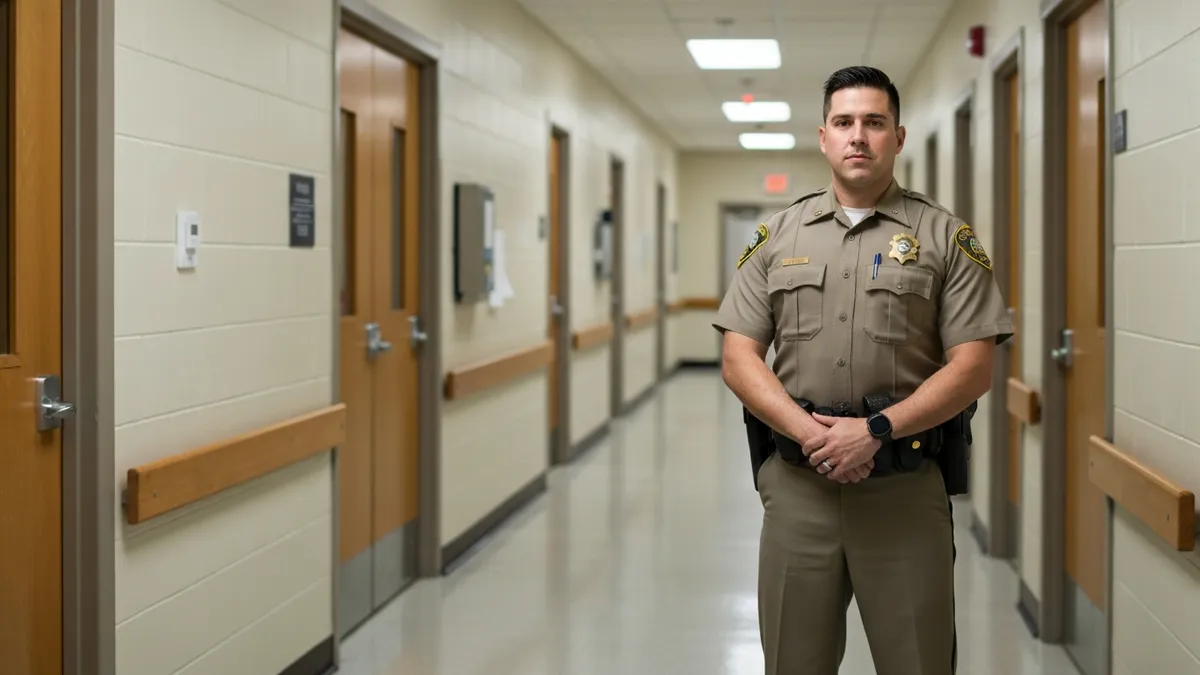
Timeline: From Passing the Bar to Sworn-In Attorney
Receive Pass Notification
Confirm MPRE Score on File
Complete Any Outstanding Character & Fitness Items
Receive Swearing-In Ceremony Notice
Attend the Ceremony
Receive Bar Card & Certificate of Admission
Understanding what physically happens during the colorado bar swearing-in ceremony helps you prepare emotionally and logistically. When you arrive at the Ralph L. Carr Colorado Judicial Center, court staff direct you to a check-in area where your identity is verified and you receive a program or seating assignment.
The building itself is worth arriving early to appreciate — it houses all seven Justices of the Colorado Supreme Court and the Colorado Court of Appeals, and the architecture incorporates bronze sculptures and public art installations throughout the public spaces. The atmosphere is formal but welcoming, especially on swearing-in days when the court staff anticipate large groups of nervous and excited new lawyers.
The courtroom where swearing-in ceremonies take place is designed to seat a full gallery in addition to the bench, counsel tables, and ceremonial areas. On ceremony days, the gallery fills with family members, law school classmates, supervising partners, and mentors.
The mood tends to be unusually warm for a judicial proceeding — applause is common after individual name acknowledgments, and the Justices frequently make brief welcoming remarks directed specifically at new attorneys. Many presiding Justices use the occasion to speak about the responsibilities and privileges of bar membership and to encourage new lawyers to engage with pro bono service and the legal community broadly.
The group oath is the formal centerpiece of the ceremony. All candidates rise together, raise their right hands, and repeat the oath as administered by the presiding Justice. The language of the oath is set by Colorado statute and reflects both constitutional commitments and professional obligations.
After the group oath, the clerk of the court typically reads the roll of new attorneys — sometimes alphabetically, sometimes in the order in which applications were processed — and each name being called is a small but genuinely moving moment for the new attorney and their guests in the gallery. Some ceremonies include a brief reception afterward in the building's public spaces, providing an opportunity to meet classmates and network with other newly admitted attorneys.
One question many candidates have is whether they must attend the swearing-in in person. The answer is almost always yes — the ceremony is a formal court proceeding, not a mailed credential.
There are limited exceptions for candidates who face extraordinary circumstances, such as serious medical conditions or active military deployment, but these require advance approval from the Office of Attorney Registration and may involve alternative arrangements such as a swearing-in before a district court judge in another jurisdiction. Do not assume a waiver will be granted; if you have concerns about attendance, contact the Office well before the scheduled date to discuss your options.
The question of timing also comes up frequently in the context of employment. Many law firm start dates and government agency onboarding schedules are structured around the anticipated swearing-in date. Some employers allow new hires to work in a law clerk or paralegal capacity before they are sworn in, while others delay formal employment until bar admission is complete.
It is important to communicate clearly with your future employer about your expected swearing-in date and to notify them immediately once you receive your official ceremony notice. In Colorado, practicing law without a license — even unintentionally, such as signing court documents or appearing at hearings before being sworn in — carries serious professional consequences.
Some candidates ask about the difference between being admitted to the Colorado bar and being admitted to practice before specific federal courts in Colorado. The swearing-in ceremony grants you a license to practice in Colorado state courts and before state administrative agencies. If you plan to practice in the United States District Court for the District of Colorado, the Tenth Circuit Court of Appeals, or any other federal tribunal, you must apply separately for admission to each of those courts.
Federal district court admission in Colorado typically requires a separate motion, sponsor attorneys, and a brief oath before a federal judge or the clerk of court. This is a separate process from the state ceremony and should be initiated after your state admission is complete.
Photographers and videographers hired by the court or the bar association are sometimes present at swearing-in ceremonies to capture the occasion for official records or promotional materials. Some courts also make ceremony footage available afterward through official channels. Check the Office of Attorney Registration's website and any pre-ceremony communications for guidance on personal photography in the courtroom.
In general, photography is welcomed in the gallery but may be restricted during the oath administration itself. After the ceremony concludes and the Justices have departed the bench, informal photography in the courtroom is typically permitted and most families take advantage of the opportunity to photograph new attorneys at the counsel table or in front of the bench.
Colorado Bar Swearing-In: Oath, Guests & Logistics
The oath administered at the Colorado bar swearing-in ceremony is prescribed by Colorado statute and Supreme Court rules. Candidates affirm their commitment to uphold the U.S. and Colorado constitutions, perform attorney duties faithfully, and comply with the Colorado Rules of Professional Conduct. The oath is not merely ceremonial — it is the legal moment at which you become a licensed attorney. Failure to complete the oath means you are not yet authorized to practice law, regardless of your passing score.
The presiding Justice typically offers brief remarks before the group oath, reminding new attorneys of their duties to clients, courts, and the public. After the group recitation, the clerk reads the roll of newly admitted attorneys. Some ceremonies include a moment for a supervising attorney or law professor to formally present candidates to the court, adding a personal and mentorship dimension to the proceedings. The entire formal portion of the ceremony usually lasts between 45 minutes and 90 minutes depending on the size of the group.

In-Person vs. Delayed Swearing-In: What to Know
- +Immediate authorization to practice law in Colorado state courts upon completion of oath
- +Memorable, celebratory milestone shared with family, friends, and colleagues
- +Opportunity to network with an entire cohort of newly admitted Colorado attorneys
- +Official court proceeding that marks the formal start of your legal career
- +Chance to meet and be acknowledged by sitting Colorado Supreme Court Justices
- +Bar card and certificate of admission mailed promptly after ceremony completion
- −Ceremony is held in Denver, requiring travel for attorneys based outside the metro area
- −Limited flexibility in scheduling — you are assigned a specific date and session
- −Practicing law before being sworn in, even inadvertently, carries serious professional consequences
- −Federal court admissions require a separate process after state swearing-in is complete
- −Photography policies inside the courtroom may limit personal documentation of the moment
- −Outstanding character and fitness issues can delay your assigned ceremony date without warning
Colorado Bar Swearing-In Ceremony Checklist
- ✓Confirm your MPRE score of 85 or higher has been transmitted to the Colorado bar by NCBE.
- ✓Respond to any outstanding character and fitness follow-up requests from the Office of Attorney Registration.
- ✓Watch for your official swearing-in ceremony notice email and add the date to your calendar immediately.
- ✓Verify your mailing address on file with the Office of Attorney Registration is correct for bar card delivery.
- ✓Arrange transportation to the Ralph L. Carr Colorado Judicial Center in Denver — confirm parking or transit options.
- ✓Notify your employer of your assigned swearing-in date and confirm your official start date accordingly.
- ✓Coordinate with any sponsor attorney or mentor who will formally present you to the court during the ceremony.
- ✓Review the Office of Attorney Registration's photography guidance for the courtroom before the event.
- ✓Arrive at least 30 minutes early on ceremony day with your government-issued photo ID and any required paperwork.
- ✓After the ceremony, plan to initiate federal court admissions if you intend to practice in the District of Colorado or Tenth Circuit.
You Cannot Practice Until the Oath Is Complete
Even after receiving a passing score notification, you are not authorized to practice law in Colorado until you have physically taken the oath at the swearing-in ceremony and your name appears on the active roll of attorneys. Do not sign court filings, appear at hearings, or hold yourself out as a licensed Colorado attorney before that date — unauthorized practice of law carries serious professional and legal consequences.
After the swearing-in ceremony is complete, the practical work of establishing yourself as a Colorado attorney begins in earnest. The first administrative priority is ensuring your attorney registration with the Colorado Supreme Court Office of Attorney Registration is fully active and accurate. Your registration number — assigned when you first submitted your bar application — becomes your permanent professional identifier in Colorado.
It appears on court filings, CLE compliance records, and the official attorney directory maintained by the Colorado Supreme Court. Any attorney or member of the public can look up your registration status, contact information, and license history through the publicly available attorney search tool.
Annual registration renewal is required for all active Colorado attorneys. The registration cycle runs from February through April each year, and fees vary by registration category — active, inactive, retired, and judicial designations each carry different fee schedules. Missing the registration renewal deadline results in a lapsed status, which means you are no longer authorized to practice law in Colorado until you reinstate your registration and pay any associated late fees. The Office of Attorney Registration sends renewal notices by email, so maintaining a current email address on file is not optional — it is a professional responsibility obligation.
Continuing legal education is a central component of Colorado attorney registration requirements. Colorado requires active attorneys to complete 45 hours of accredited CLE credits every three years, including a minimum of seven hours in legal ethics and professionalism. At least one of those ethics hours must cover issues related to substance use and mental health in the legal profession — a requirement that reflects the profession's increasing attention to attorney well-being.
The three-year CLE compliance period begins running from January 1 of the year following your admission, so newly sworn-in attorneys have a relatively generous window to begin accumulating credits. However, waiting until the final months of the compliance period is a common and stressful mistake.
The Colorado bar's CLE compliance system — administered through the Colorado Supreme Court Office of Continuing Legal and Judicial Education — tracks credits electronically. Many CLE programs report credits automatically to your compliance record, but it is your responsibility to verify that credits have been recorded accurately. Keep documentation of all CLE attendance, including certificates of completion, course descriptions, and accreditation information. If you attend a CLE program that is not pre-approved for Colorado credit, you can apply for individual course approval, though the process takes time and approval is not guaranteed for all content areas.
Malpractice insurance is not mandatory under Colorado's rules, but it is strongly advisable for any attorney in private practice. The Colorado Rules of Professional Conduct require attorneys who do not carry malpractice insurance to disclose that fact to new and existing clients. This disclosure requirement — codified in Rule 1.4(c) — is designed to protect clients who might otherwise assume their attorney carries coverage.
Many clients, particularly sophisticated business clients, will decline to hire an attorney who lacks malpractice insurance, making coverage practically essential for building a sustainable practice. The Colorado Bar Association offers group malpractice insurance programs and can connect members with carriers experienced in legal professional liability.
Trust account management is another immediate post-admission concern for attorneys entering private practice. Colorado Rule of Professional Conduct 1.15 governs the handling of client funds, requiring attorneys to maintain a separate interest-bearing trust account (IOLTA) for client funds held in connection with representation.
The interest earned on IOLTA accounts is remitted to the Colorado Lawyer Trust Account Foundation (COLTAF), which funds civil legal aid programs across the state. Setting up your IOLTA account correctly from the beginning — including proper record-keeping, reconciliation practices, and separation from operating funds — is essential to avoiding the trust account violations that represent one of the most common disciplinary categories in Colorado attorney regulation.
Professional liability and bar discipline are also topics to understand early in your career. The Colorado Attorney Regulation Counsel (OARC) handles complaints against Colorado attorneys and has authority to investigate, prosecute, and recommend discipline for professional conduct violations. Discipline ranges from private admonition to public censure, suspension, and disbarment, depending on the severity of the violation.
Colorado publishes disciplinary decisions, meaning that public discipline becomes part of your permanent professional record. Understanding the Colorado Rules of Professional Conduct deeply — not just well enough to pass the MPRE — is foundational to a long and clean career. Many local bar associations and the CBA offer ethics hotlines and advisory resources that newly admitted attorneys should become familiar with early.

Colorado attorney registration renewal opens in February and closes in April each year. Failing to renew on time results in a lapsed license status, which means you are immediately unauthorized to practice law in Colorado until reinstatement is complete. Reinstatement requires paying back fees and may require additional filings. The Office of Attorney Registration sends notices by email only — keep your contact information current at all times to avoid missing this critical annual deadline.
Joining the Colorado Bar Association (CBA) is one of the most valuable steps a newly admitted attorney can take in the weeks following the swearing-in ceremony. Membership in the CBA is voluntary — unlike some states, Colorado does not have a unified bar requiring all licensed attorneys to join the state bar association.
However, the CBA offers substantial resources for new attorneys, including access to CLE programming, practice management tools, ethics guidance, networking events, and specialty practice sections covering areas from family law to international business. Young Lawyer Division membership is particularly active and provides structured mentorship and community for attorneys in their first years of practice.
Networking with fellow newly sworn-in attorneys is more valuable than many new lawyers initially recognize. The cohort of attorneys admitted alongside you will become colleagues, referral sources, opposing counsel, and friends throughout your career. The bar association maintains directories and online communities that make it easier to stay connected beyond the ceremony itself. Some law schools maintain active alumni networks in Colorado that connect new graduates with established practitioners in specific practice areas. Taking time early in your career to invest in these relationships — even when client work feels all-consuming — pays dividends over decades of practice.
Pro bono service is another dimension of Colorado bar membership that deserves early attention. Colorado Rule of Professional Conduct 6.1 articulates a professional aspiration — though not a mandate — that attorneys provide at least 50 hours of pro bono legal services per year.
Many Colorado attorneys exceed this aspiration, and pro bono work is one of the most direct ways to develop client counseling and courtroom skills early in a career while making a meaningful difference in the lives of people who cannot afford legal services. The Colorado Lawyer Trust Account Foundation and organizations like Colorado Legal Services and the Rocky Mountain Immigrant Advocacy Network provide structured opportunities for pro bono service across a wide range of practice areas.
Specialization and credentials are considerations that many new attorneys begin thinking about shortly after admission. While Colorado does not have a formal board-certification program equivalent to those in some other states, certain practice areas have voluntary credentialing paths — the Family Law Section of the CBA, for example, maintains a family law specialist certification program.
Federal courts, immigration practice, and tax law each have additional admission or credential requirements beyond state bar admission. Beginning to map out your desired practice area and the credentials or admissions associated with it is a productive early-career exercise that helps you structure your CLE choices and professional development intentionally rather than reactively.
Law practice management — the business side of being an attorney — is an area where many new lawyers find themselves underprepared despite excellent substantive legal training. Whether you join a large firm, a small practice, a government agency, or launch your own practice immediately after admission, understanding billing practices, file management systems, client intake procedures, and law office technology is essential.
The CBA's Law Practice Management Program offers free consulting to Colorado attorneys on practice management topics, and the program is underutilized by new attorneys who often assume it is only relevant to established solo practitioners. Engaging with these resources early helps you build good habits before bad ones take root.
Your relationship with the court system deepens significantly after admission. As a licensed attorney, you now have obligations to the tribunal in every matter you handle — candor toward the court, obligations regarding discovery and disclosure, and duties regarding supervision of non-attorney staff.
Colorado courts use an electronic filing system, and obtaining the necessary credentials and training to use the system effectively should be among your first administrative tasks after the ceremony. Many counties have local rules that supplement the Colorado Rules of Civil Procedure, and consulting those local rules before your first filing in an unfamiliar court is essential to avoiding procedural missteps that can prejudice your client's case.
The swearing-in ceremony is, appropriately, a celebration — but it is also a threshold. Every obligation of the Colorado Rules of Professional Conduct attaches the moment you raise your right hand and take the oath. From that point forward, the full weight and privilege of attorney-client relationships, court duties, and professional conduct obligations are yours.
The Colorado bar takes these obligations seriously, and new attorneys who engage proactively with bar resources, mentorship programs, CLE opportunities, and practice management tools are far better positioned to build careers characterized by competence, integrity, and satisfaction than those who treat admission as a finish line rather than a starting point. The hard work behind you — including all those hours spent preparing for the bar exam — was preparation for what now begins.
For candidates still preparing for the Colorado bar exam, understanding the full arc of the process — from exam day through swearing-in and into active practice — provides important motivation and context for the intensive study period ahead. The bar exam itself is a two-day event under the Uniform Bar Exam format adopted by Colorado.
Day one consists of the Multistate Performance Test (MPT) and the Multistate Essay Examination (MEE); day two is the Multistate Bar Examination (MBE), a 200-question multiple-choice test covering seven core subjects. Colorado requires a combined UBE score of 266 to pass, which is near the national median passing threshold and reflects a moderately competitive standard.
The subjects tested on the Colorado bar exam span the full landscape of legal education: civil procedure, contracts, constitutional law, criminal law and procedure, evidence, real property, and torts on the MBE, plus additional subjects including family law, business organizations, conflicts of law, and secured transactions on the MEE. The MPT tests practical lawyering skills — drafting memos, briefs, client letters, and other work product from a closed universe of materials — rather than memorized doctrine. Each component carries a specific weight in the final UBE score, and understanding those weights should inform how you allocate study time across subjects.
Commercial bar preparation programs such as Themis, Barbri, Kaplan, and Adaptibar each offer comprehensive multistate materials and are used by the majority of first-time Colorado bar examinees. These programs typically run for eight to ten weeks and involve daily video lectures, practice questions, simulated exams, and essay writing assignments.
Supplementing commercial programs with targeted practice using question banks specific to Colorado subjects — particularly the MEE topics that are not covered by the MBE — can meaningfully improve scores. Essay writing is frequently the area where otherwise well-prepared candidates lose points, so dedicated essay practice with written feedback is worth prioritizing.
The MPRE — the Multistate Professional Responsibility Examination — is a separate 60-question, two-hour ethics exam administered by NCBE three times per year in March, August, and November. Colorado requires a score of 85 (on a 50–150 scaled score) for bar admission. Most candidates take the MPRE during law school, often after completing a Professional Responsibility course. Scores are valid for five years from the test date for Colorado admission purposes, so candidates who took the MPRE early in law school should confirm their score remains within the validity window before submitting their bar application.
Character and fitness review is a parallel process that runs throughout bar preparation and examination. The Colorado bar application requires disclosure of a wide range of background information — prior criminal history, academic discipline, civil litigation, financial judgments, mental health treatment history, and prior bar application denials in other jurisdictions.
The obligation to disclose is broad, and the standard applied is not whether you have a problematic history, but whether you are honest and forthcoming about it. Many applicants who have disclosed difficult histories — including prior criminal convictions, substance abuse treatment, or prior bar failures — have been admitted to the Colorado bar after thorough review. Applicants who conceal history are far more likely to face serious consequences, including denial of admission or subsequent bar discipline.
Timing your bar application submission is important. Colorado accepts bar applications on a rolling basis, and the application must typically be submitted several months before the exam you intend to take to allow time for character and fitness processing. The character review can take considerably longer for applicants with complex backgrounds, and the Office may request additional documentation or hearings.
If you anticipate a complex review — due to prior criminal history, foreign legal education, prior bar application denials, or other factors — consulting with an attorney who specializes in bar admission matters before submitting your application is advisable. Proactive disclosure and clear presentation of context can make a significant difference in the outcome and timeline of your review.
The Colorado bar exam is administered twice yearly — in February and July — at testing centers across the state and via remote proctoring under certain circumstances. Registration deadlines are published well in advance on the Colorado Supreme Court's website. Late registration is available in some cycles for an additional fee, but seats may be limited, particularly at in-person testing centers in Denver.
First-time candidates who begin studying with a structured commercial program and commit to a consistent daily study schedule of six to eight hours over ten weeks consistently outperform candidates who study less systematically, even when those candidates have comparable academic backgrounds. Discipline in the preparation phase translates directly into performance on exam day and brings the swearing-in ceremony one meaningful step closer.
CO Bar Questions and Answers


About the Author

Educational Psychologist & Academic Test Preparation Expert
Columbia University Teachers CollegeDr. Lisa Patel holds a Doctorate in Education from Columbia University Teachers College and has spent 17 years researching standardized test design and academic assessment. She has developed preparation programs for SAT, ACT, GRE, LSAT, UCAT, and numerous professional licensing exams, helping students of all backgrounds achieve their target scores.