
CNA Training Near Me: Programs, Costs, and How to Get Started 2026 September
🆕 Pass the CNA Training Near Me: Programs, Costs, exam with confidence. Practice questions with detailed explanations and instant feedback on every answer.
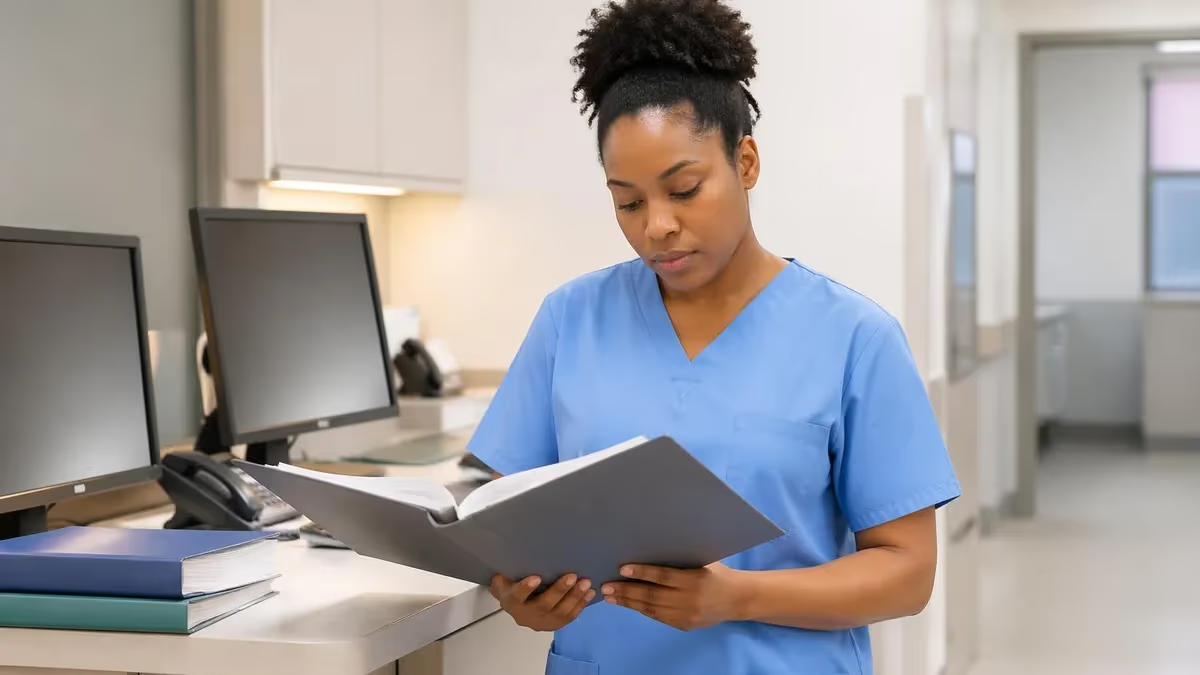
Searching for cna training near me is the first step toward a healthcare career that's in high demand. Certified Nursing Assistants work in hospitals, nursing homes, assisted living facilities, and home health agencies — and the need for qualified CNAs keeps growing. Every state requires formal training and certification before you can work, so finding the right program matters more than most people realize.
Whether you're looking for a cna program near me at a community college, a vocational school, or through an employer-sponsored option, you've got choices. Programs range from 4 weeks to 12 weeks depending on the state and the format — in-person, hybrid, or accelerated. Costs vary wildly too, from free employer-paid programs to $2,000+ at private training schools. The trick is knowing what to look for and what to avoid.
Most CNA training programs include classroom instruction (covering anatomy, infection control, patient rights, and nutrition) plus hands-on clinical hours in a real healthcare setting. You'll learn to take vital signs, assist with bathing and dressing, transfer patients safely, and document care. After completing your program, you'll take a state competency exam — written and skills — to earn your certification. The whole process, from enrollment to working your first shift, can happen in as little as six weeks if you choose an accelerated track.

Finding the right cna program near me starts with understanding what options exist in your area. Community colleges typically offer the most affordable programs — often under $1,000 including textbooks and clinical supplies. Vocational schools and private training centers charge more but sometimes offer faster completion times and flexible scheduling, including evening and weekend classes.
CNA positions near me are plentiful in most parts of the country. The Bureau of Labor Statistics projects steady demand through 2033, driven by an aging population that needs more long-term care. Nursing homes employ the largest share of CNAs, but hospitals, rehabilitation centers, and home health agencies are all hiring too. Urban areas tend to have more openings but also more competition. Rural areas often have fewer applicants per opening, which means faster hiring.
Before you enroll anywhere, verify that the program is state-approved. Every state maintains a registry of approved CNA training programs, and graduating from an unapproved program means you can't sit for the certification exam. Check your state's Department of Health or Board of Nursing website for the current list. Also ask about the program's pass rate on the state exam — anything below 80% is a red flag. Programs with 90%+ pass rates usually have stronger instructors, better clinical partnerships, and more thorough skills practice sessions that prepare you for every part of the competency evaluation.
Getting your cna certification near me involves three main steps: complete an approved training program, pass the state competency exam, and apply for placement on your state's nurse aide registry. The competency exam has two parts — a written (or oral) knowledge test and a clinical skills evaluation where you demonstrate procedures like handwashing, taking blood pressure, and positioning patients in bed.
If you're a cna near me search user who already has healthcare experience, some states offer challenge testing. This lets you skip formal training and go straight to the competency exam if you can prove equivalent experience — for example, nursing students who've completed fundamentals courses. Not every state allows this, so check your local rules before assuming you qualify.
Looking for paid cna training near me? Many employers — especially nursing homes and long-term care facilities — will pay for your training in exchange for a work commitment, usually 6 to 12 months. This is a legitimate path that eliminates tuition costs entirely. Some hospital systems and home health agencies offer similar deals. The catch: you're committing to work at that specific facility after certification, so make sure it's somewhere you actually want to be.
Types of CNA Training Programs
Community college CNA programs are the most popular choice. They typically run 6–12 weeks, cost $500–$1,500, and include both classroom instruction and supervised clinical hours at a partnered healthcare facility. Financial aid, including Pell Grants, often covers the full cost. Class sizes tend to be small (15–20 students), and instructors are usually licensed nurses with clinical experience.
Paid cna training near me isn't just a cost-saver — it's also a way to start earning immediately. Some employer-sponsored programs pay you during training at a reduced hourly rate, while others simply waive tuition and provide free materials. Either way, you avoid student loans or out-of-pocket costs that can add up quickly with private programs.
The 3-11 cna near me shift (that's 3 PM to 11 PM, also called the evening or second shift) is one of the most in-demand schedules. Facilities often struggle to fill these hours because most people prefer day shifts. That means evening-shift CNAs frequently earn shift differentials — an extra $1–$3 per hour on top of base pay. If you're flexible on scheduling, the 3-11 slot can boost your income while giving you mornings free for other commitments.
Night shifts (11 PM to 7 AM) offer even higher differentials in many facilities. Weekend-only positions exist too, often paying premium rates. The healthcare industry runs around the clock, and CNAs who work non-traditional hours have more negotiating power on pay and scheduling than their day-shift counterparts.
Shift differentials add up fast over a year. An extra $2 per hour on evening shifts translates to roughly $4,000 annually for a full-time CNA. Combine that with overtime opportunities — which are plentiful at understaffed facilities — and your effective annual income can exceed the median salary by a comfortable margin. Ask about differential rates during the interview, not after you've already accepted a position.
CNA opportunities near me extend well beyond nursing homes. Hospitals hire CNAs for med-surg floors, emergency departments, and outpatient clinics. Home health agencies need CNAs for one-on-one patient care in private residences. Rehabilitation centers, hospice programs, and assisted living communities all employ nursing assistants too. The setting you choose affects your daily routine, patient population, and earning potential.
If cost is your primary concern, look for cheap cna programs near me through community colleges and workforce development boards. Many states fund CNA training through Workforce Innovation and Opportunity Act (WIOA) grants — if you qualify based on income, you may get the entire program free. Goodwill, the Red Cross, and some community nonprofits also run low-cost or free CNA classes in select areas.
State requirements for training hours vary significantly. The federal minimum is 75 hours, but many states exceed that. California requires 160 hours. Maine requires 180. Florida asks for 120. Make sure the program you choose meets your state's specific hour requirements — transferring a certification from a state with fewer required hours can sometimes require additional training to meet the new state's standards.
Pros and Cons of CNA Training
- +Fast entry into healthcare — start working in as little as 6 weeks
- +Low training costs, with many free employer-sponsored options available
- +Steady job demand driven by aging population and chronic staffing shortages
- +Hands-on patient care experience valuable for future nursing careers
- +Flexible scheduling — day, evening, night, and weekend shifts widely available
- +Stepping stone to LPN, RN, and other advanced healthcare certifications
- −Physically demanding — lifting, bending, and standing for long shifts
- −Entry-level pay is modest compared to other healthcare roles
- −Emotional toll of caring for seriously ill or end-of-life patients
- −Some employer-sponsored programs require binding work commitments
- −Certification must be renewed periodically with continuing education hours
- −High turnover in some facilities means heavier workloads for remaining staff
If there's a cna needed near me posting at a local facility, chances are good they're hiring urgently. Healthcare staffing shortages have accelerated since 2020, and CNA vacancies remain among the hardest to fill in the industry. That urgency works in your favor — many facilities are offering sign-on bonuses ($500–$2,000), tuition reimbursement, and flexible scheduling to attract candidates.
Checking open cna positions near me is straightforward. Indeed, ZipRecruiter, and your state's job board all list CNA openings filtered by location. Hospital and nursing home websites post openings directly too. Don't overlook staffing agencies — they place CNAs in temporary and per-diem roles that often pay above average, especially for last-minute shift coverage.
Per-diem and travel CNA roles deserve special mention. Per-diem CNAs pick up shifts as needed without committing to a set schedule, which suits students, parents, or anyone needing flexibility. Travel CNAs take short-term assignments (8–13 weeks) at facilities in different cities or states, often with housing stipends and higher hourly rates. Both require an active certification but offer income and flexibility that standard full-time roles don't.
Staffing agencies that specialize in healthcare placements can connect you with per-diem and travel roles immediately after certification. Some agencies handle credentialing, background checks, and even malpractice coverage, which simplifies the process. Pay rates through agencies often exceed what facilities offer direct hires, though you'll trade benefits like health insurance and paid time off for that higher hourly rate.
CNA Certification Checklist
- ✓Research your state's specific CNA training hour requirements (75–180 hours depending on state)
- ✓Find a state-approved training program — check your Board of Nursing website for the official list
- ✓Apply for financial aid, WIOA grants, or employer-sponsored training to reduce or eliminate costs
- ✓Complete all required classroom instruction hours covering patient care, safety, and medical terminology
- ✓Finish supervised clinical hours at an approved healthcare facility
- ✓Submit your application to take the state competency exam (written + skills)
- ✓Pass the written knowledge test covering nursing fundamentals and patient rights
- ✓Demonstrate required clinical skills (typically 3–5 procedures) to an evaluator
- ✓Apply for placement on your state's nurse aide registry after passing both exam components
- ✓Start applying for CNA positions — update your resume and gather references from clinical instructors
An accelerated cna program near me can get you certified in as little as four weeks. These intensive programs compress the same content — anatomy, patient care, infection control, clinical skills — into a shorter timeframe with longer daily sessions. They're not for everyone. You'll attend class 6–8 hours a day, five days a week, with homework and skills practice on top of that. But if you need to start working quickly, acceleration is the fastest legitimate path.
A standard cna training program near me at a community college runs 6–8 weeks with classes meeting 3–4 days per week. This pace gives you more time to absorb material and practice skills before clinicals. It's the better fit if you're also working or have family responsibilities. Some colleges offer evening-only programs that stretch to 10–12 weeks but keep your days free.
Online CNA training exists, but with a major caveat: the classroom theory portion can be completed online, but clinical hours must be done in person at an approved facility. No state accepts fully online CNA certification. Programs advertising "100% online CNA certification" are misleading at best. Look for hybrid programs that combine online lectures with scheduled in-person clinical rotations — that's the closest you'll get to remote flexibility while still meeting state requirements.
CNA openings near me often go unfilled for weeks because facilities can't find enough qualified candidates. That's both a problem for healthcare systems and an opportunity for you. With certification in hand, you're unlikely to spend much time job-hunting. Most new CNAs receive multiple offers, especially if they're willing to work evening, night, or weekend shifts.
Considering a cna accelerated program near me? Make sure you're prepared for the intensity. Read through the course outline before enrolling. Brush up on basic anatomy, medical terminology, and math skills (you'll need to calculate intake/output and convert measurements). Students who enter accelerated programs with some foundational knowledge handle the pace much better than those starting from zero.
Career advancement from CNA is well-documented. Many registered nurses started as CNAs to gain patient care experience before enrolling in nursing school. LPN programs take about one year, and some offer credit for CNA training and experience. Bridge programs — CNA to LPN to RN — exist at community colleges across the country. Your CNA certification isn't just a job credential. It's the first rung on a healthcare career ladder that can lead to significantly higher pay and responsibility.
Some private schools advertise CNA training but aren't approved by the state Board of Nursing. Completing an unapproved program means you can't take the certification exam — wasting your time and money. Always verify program approval on your state's official nursing board website before enrolling or paying any fees.
CNA facilities near me include hospitals, skilled nursing facilities, rehabilitation centers, assisted living communities, hospice programs, and home health agencies. Each type of facility offers a different work environment. Hospitals tend to be faster-paced with higher acuity patients. Nursing homes involve longer-term relationships with residents. Home health lets you work one-on-one in patients' homes with more autonomy but less direct supervision.
Looking for a cna training center near me? Start with your state's Board of Nursing website, which maintains an updated list of every approved program. Community colleges, technical schools, and workforce development centers are the most common providers. In larger metro areas, you might find 10 or more options within driving distance, each with different schedules, costs, and clinical placement sites.
Location matters for clinical placements too. Programs partner with specific healthcare facilities for your hands-on training hours. Ask where clinicals take place before enrolling — a program with a clinical site 45 minutes away adds commute time and gas costs that aren't reflected in the tuition. Some programs offer multiple clinical site options or rotate students through different facility types, which gives you broader experience before you decide where to work after certification.
CNA Practice Test Questions
Prepare for the CNA - Certified Nursing Assistant exam with our free practice test modules. Each quiz covers key topics to help you pass on your first try.
CNA Activities of Daily Living
CNA Exam Questions covering Activities of Daily Living. Master CNA Test concepts for certification prep.
CNA Aging Process
Free CNA Practice Test featuring Aging Process. Improve your CNA Exam score with mock test prep.
CNA Anatomy and Physiology Basics
CNA Mock Exam on Anatomy and Physiology Basics. CNA Study Guide questions to pass on your first try.
CNA Assisting with Daily Living
CNA Test Prep for Assisting with Daily Living. Practice CNA Quiz questions and boost your score.
CNA Assisting with Range of Motion Exercises
CNA Questions and Answers on Assisting with Range of Motion Exercises. Free CNA practice for exam readiness.
CNA Basic Human Anatomy and Age-Related Ch...
CNA Mock Test covering Basic Human Anatomy and Age-Related Changes. Online CNA Test practice with instant feedback.
CNA Basic Nursing Skills
Free CNA Quiz on Basic Nursing Skills. CNA Exam prep questions with detailed explanations.
CNA Basic Nursing Skills 10
CNA Practice Questions for Basic Nursing Skills 10. Build confidence for your CNA certification exam.
CNA Basic Nursing Skills 11
CNA Test Online for Basic Nursing Skills 11. Free practice with instant results and feedback.
CNA Basic Nursing Skills 1
CNA Study Material on Basic Nursing Skills 1. Prepare effectively with real exam-style questions.
CNA Basic Nursing Skills 12
Free CNA Test covering Basic Nursing Skills 12. Practice and track your CNA exam readiness.
CNA Basic Nursing Skills 13
CNA Exam Questions covering Basic Nursing Skills 13. Master CNA Test concepts for certification prep.
CNA Basic Nursing Skills 14
Free CNA Practice Test featuring Basic Nursing Skills 14. Improve your CNA Exam score with mock test prep.
CNA Basic Nursing Skills 15
CNA Mock Exam on Basic Nursing Skills 15. CNA Study Guide questions to pass on your first try.
CNA Basic Nursing Skills 16
CNA Test Prep for Basic Nursing Skills 16. Practice CNA Quiz questions and boost your score.
CNA Basic Nursing Skills 17
CNA Questions and Answers on Basic Nursing Skills 17. Free CNA practice for exam readiness.
CNA Basic Nursing Skills 18
CNA Mock Test covering Basic Nursing Skills 18. Online CNA Test practice with instant feedback.
CNA Basic Nursing Skills 19
Free CNA Quiz on Basic Nursing Skills 19. CNA Exam prep questions with detailed explanations.
CNA Basic Nursing Skills 20
CNA Practice Questions for Basic Nursing Skills 20. Build confidence for your CNA certification exam.
CNA Basic Nursing Skills 21
CNA Test Online for Basic Nursing Skills 21. Free practice with instant results and feedback.
CNA Basic Nursing Skills 2
CNA Study Material on Basic Nursing Skills 2. Prepare effectively with real exam-style questions.
CNA Basic Nursing Skills 3
Free CNA Test covering Basic Nursing Skills 3. Practice and track your CNA exam readiness.
CNA Basic Nursing Skills 4
CNA Exam Questions covering Basic Nursing Skills 4. Master CNA Test concepts for certification prep.
CNA Basic Nursing Skills 5
Free CNA Practice Test featuring Basic Nursing Skills 5. Improve your CNA Exam score with mock test prep.
CNA Basic Nursing Skills 6
CNA Mock Exam on Basic Nursing Skills 6. CNA Study Guide questions to pass on your first try.
CNA Basic Nursing Skills 7
CNA Test Prep for Basic Nursing Skills 7. Practice CNA Quiz questions and boost your score.
CNA Basic Nursing Skills 8
CNA Questions and Answers on Basic Nursing Skills 8. Free CNA practice for exam readiness.
CNA Basic Nursing Skills 9
CNA Mock Test covering Basic Nursing Skills 9. Online CNA Test practice with instant feedback.
CNA Basic Restorative Services
Free CNA Quiz on Basic Restorative Services. CNA Exam prep questions with detailed explanations.
CNA Basic Restorative Services 1
CNA Practice Questions for Basic Restorative Services 1. Build confidence for your CNA certification exam.
CNA Bathing and Dressing
CNA Test Online for Bathing and Dressing. Free practice with instant results and feedback.
CNA Body Mechanics
CNA Study Material on Body Mechanics. Prepare effectively with real exam-style questions.
CNA Career Advancement and Opportunities
Free CNA Test covering Career Advancement and Opportunities. Practice and track your CNA exam readiness.
CNA Career Opportunities and Benefits
CNA Exam Questions covering Career Opportunities and Benefits. Master CNA Test concepts for certification prep.
CNA Care for Residents with Cognitive Impa...
Free CNA Practice Test featuring Care for Residents with Cognitive Impairment. Improve your CNA Exam score with mock test prep.
CNA Care of Cognitively Impaired Residents
CNA Mock Exam on Care of Cognitively Impaired Residents. CNA Study Guide questions to pass on your first try.
CNA Care of Cognitively Impaired Residents 1
CNA Test Prep for Care of Cognitively Impaired Residents 1. Practice CNA Quiz questions and boost your score.
CNA Care Of Cognitively Impaired Residents 4
CNA Questions and Answers on Care Of Cognitively Impaired Residents 4. Free CNA practice for exam readiness.
CNA Common Medical Terms and Abbreviations
CNA Mock Test covering Common Medical Terms and Abbreviations. Online CNA Test practice with instant feedback.
CNA Communication and Interpersonal Skills
Free CNA Quiz on Communication and Interpersonal Skills. CNA Exam prep questions with detailed explanations.
CNA Communication and Interpersonal Skills 1
CNA Practice Questions for Communication and Interpersonal Skills 1. Build confidence for your CNA certification exam.
CNA Communication And Interpersonal Skills 4
CNA Test Online for Communication And Interpersonal Skills 4. Free practice with instant results and feedback.
CNA Eligibility and Qualifications
CNA Study Material on Eligibility and Qualifications. Prepare effectively with real exam-style questions.
CNA Emergency Procedure
Free CNA Test covering Emergency Procedure. Practice and track your CNA exam readiness.
CNA Ethics and Professionalism
CNA Exam Questions covering Ethics and Professionalism. Master CNA Test concepts for certification prep.
CNA Exam Structure and Content
Free CNA Practice Test featuring Exam Structure and Content. Improve your CNA Exam score with mock test prep.
CNA Feeding and Hydration
CNA Mock Exam on Feeding and Hydration. CNA Study Guide questions to pass on your first try.
CNA Infection Control
CNA Test Prep for Infection Control. Practice CNA Quiz questions and boost your score.
CNA Infection Control and Safety
CNA Questions and Answers on Infection Control and Safety. Free CNA practice for exam readiness.
CNA Isolation Precautions
CNA Mock Test covering Isolation Precautions. Online CNA Test practice with instant feedback.
CNA Legal & Ethical Behaviours
Free CNA Quiz on Legal & Ethical Behaviours. CNA Exam prep questions with detailed explanations.
CNA Legal & Ethical Behaviours 1
CNA Practice Questions for Legal & Ethical Behaviours 1. Build confidence for your CNA certification exam.
CNA Legal & Ethical Behaviours 4
CNA Test Online for Legal & Ethical Behaviours 4. Free practice with instant results and feedback.
CNA Mental Health and Social Services Needs
CNA Study Material on Mental Health and Social Services Needs. Prepare effectively with real exam-style questions.
CNA Mental Health and Social Services Needs 1
Free CNA Test covering Mental Health and Social Services Needs 1. Practice and track your CNA exam readiness.
CNA Mental Health And Social Services Needs 4
CNA Exam Questions covering Mental Health And Social Services Needs 4. Master CNA Test concepts for certification prep.
CNA Nutrition and Hydration Management
Free CNA Practice Test featuring Nutrition and Hydration Management. Improve your CNA Exam score with mock test prep.
CNA Patient Care Procedure
CNA Mock Exam on Patient Care Procedure. CNA Study Guide questions to pass on your first try.
CNA Personal Care Skills
CNA Test Prep for Personal Care Skills. Practice CNA Quiz questions and boost your score.
CNA Personal Care Skills 1
CNA Questions and Answers on Personal Care Skills 1. Free CNA practice for exam readiness.
CNA Personal Care Skills 4
CNA Mock Test covering Personal Care Skills 4. Online CNA Test practice with instant feedback.
CNA Personal Care Skills 5
Free CNA Quiz on Personal Care Skills 5. CNA Exam prep questions with detailed explanations.
CNA Personal Hygiene and Grooming
CNA Practice Questions for Personal Hygiene and Grooming. Build confidence for your CNA certification exam.
CNA Practice Test - Basic Nursing Skills #2
CNA Test Online for Practice Test - Basic Nursing Skills #2. Free practice with instant results and feedback.
CNA Practice Test - Basic Nursing Skills #2 1
CNA Study Material on Practice Test - Basic Nursing Skills #2 1. Prepare effectively with real exam-style questions.
CNA Preventing Patient Falls and Injuries
Free CNA Test covering Preventing Patient Falls and Injuries. Practice and track your CNA exam readiness.
CNA Promoting Resident Independence and Ch...
CNA Exam Questions covering Promoting Resident Independence and Choice. Master CNA Test concepts for certification prep.
CNA Proper Hand Hygiene and PPE Usage
Free CNA Practice Test featuring Proper Hand Hygiene and PPE Usage. Improve your CNA Exam score with mock test prep.
CNA Resident Rights and Communication
CNA Mock Exam on Resident Rights and Communication. CNA Study Guide questions to pass on your first try.
CNA Resident’s Rights
CNA Test Prep for Resident’s Rights. Practice CNA Quiz questions and boost your score.
CNA Resident's Rights 1
CNA Questions and Answers on Resident's Rights 1. Free CNA practice for exam readiness.
CNA Resident's Rights 4
CNA Mock Test covering Resident's Rights 4. Online CNA Test practice with instant feedback.
CNA Roles and Responsibilities
Free CNA Quiz on Roles and Responsibilities. CNA Exam prep questions with detailed explanations.
CNA Safety and Emergency Procedures
CNA Practice Questions for Safety and Emergency Procedures. Build confidence for your CNA certification exam.
CNA Safety and Emergency Procedures 1
CNA Test Online for Safety and Emergency Procedures 1. Free practice with instant results and feedback.
CNA Safety And Emergency Procedures 4
CNA Study Material on Safety And Emergency Procedures 4. Prepare effectively with real exam-style questions.
CNA Safety and Infection Control
Free CNA Test covering Safety and Infection Control. Practice and track your CNA exam readiness.
CNA Scope of Practice
CNA Exam Questions covering Scope of Practice. Master CNA Test concepts for certification prep.
CNA Skills and Competencies
Free CNA Practice Test featuring Skills and Competencies. Improve your CNA Exam score with mock test prep.
CNA Supporting Rehabilitation Activities
CNA Mock Exam on Supporting Rehabilitation Activities. CNA Study Guide questions to pass on your first try.
CNA The Nurse Aide's Role and Responsibili...
CNA Test Prep for The Nurse Aide's Role and Responsibilities. Practice CNA Quiz questions and boost your score.
CNA Time Management and Prioritization
CNA Questions and Answers on Time Management and Prioritization. Free CNA practice for exam readiness.
CNA Toileting and Elimination
CNA Mock Test covering Toileting and Elimination. Online CNA Test practice with instant feedback.
CNA Using Adaptive Devices
CNA Practice Questions for Using Adaptive Devices. Build confidence for your CNA certification exam.
Wondering where can I get my CNA? The answer depends on your state, budget, and timeline. If you need certification fast and free, look for employer-sponsored programs at nursing homes first — they're the quickest path with zero tuition. If you want the most thorough preparation and have 6–8 weeks, community college programs offer the best balance of cost, quality, and clinical experience.
Every cna position near me listing you see represents a facility that needs help. The staffing crisis in long-term care hasn't eased, and projections suggest demand will stay elevated through at least 2033. That means job security — something not every entry-level career can promise. Once certified, you're employable in any state (with reciprocity or endorsement), giving you geographic flexibility that many careers lack.
Your CNA training is more than a credential check. It's the foundation of a career built on patient care, clinical skills, and the kind of hands-on experience that no textbook can replicate. Whether you're starting fresh after high school, changing careers, or building toward nursing school, the path begins with finding a solid program and showing up ready to learn. Start your search, verify approval, compare costs — and take the first step toward a career that's genuinely needed.
The healthcare industry won't stop needing CNAs anytime soon. An aging baby boomer population, expanding home health services, and chronic staffing challenges guarantee that certified nursing assistants will stay employable for decades. Your training investment — whether it costs nothing through an employer or a few hundred dollars through a community college — pays for itself within your first month of full-time work. That's a return on investment most career training programs simply can't match, especially at the entry level.
CNA Questions and Answers
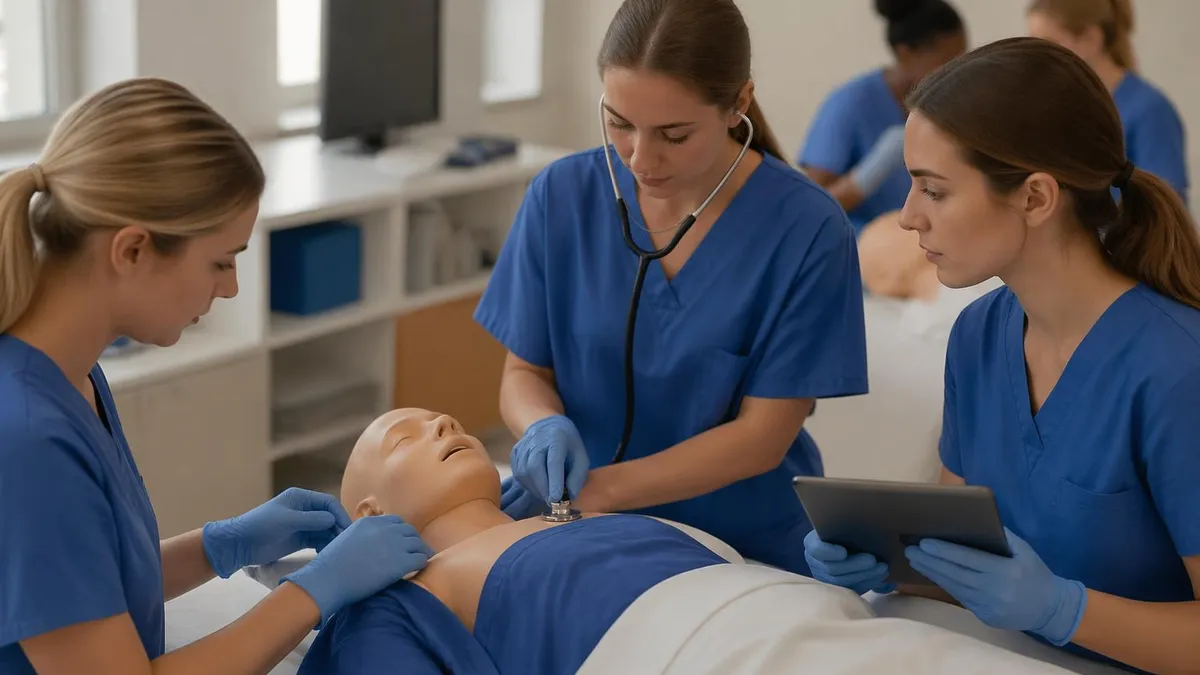
Restorative CNA: Duties, Training, Salary & How to Get Started
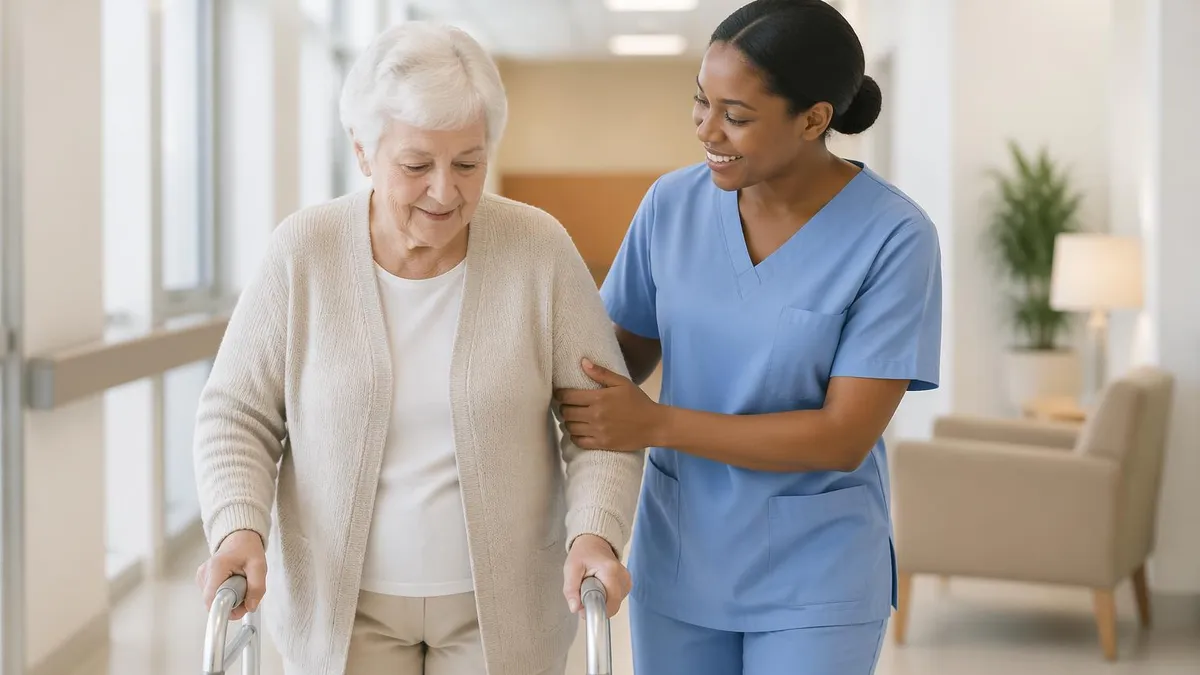
CNA Hospital Jobs Near Me: How to Find, Apply & Get Hired in 2026

Goodwill CNA Program: Free Classes, Costs, and How to Enroll
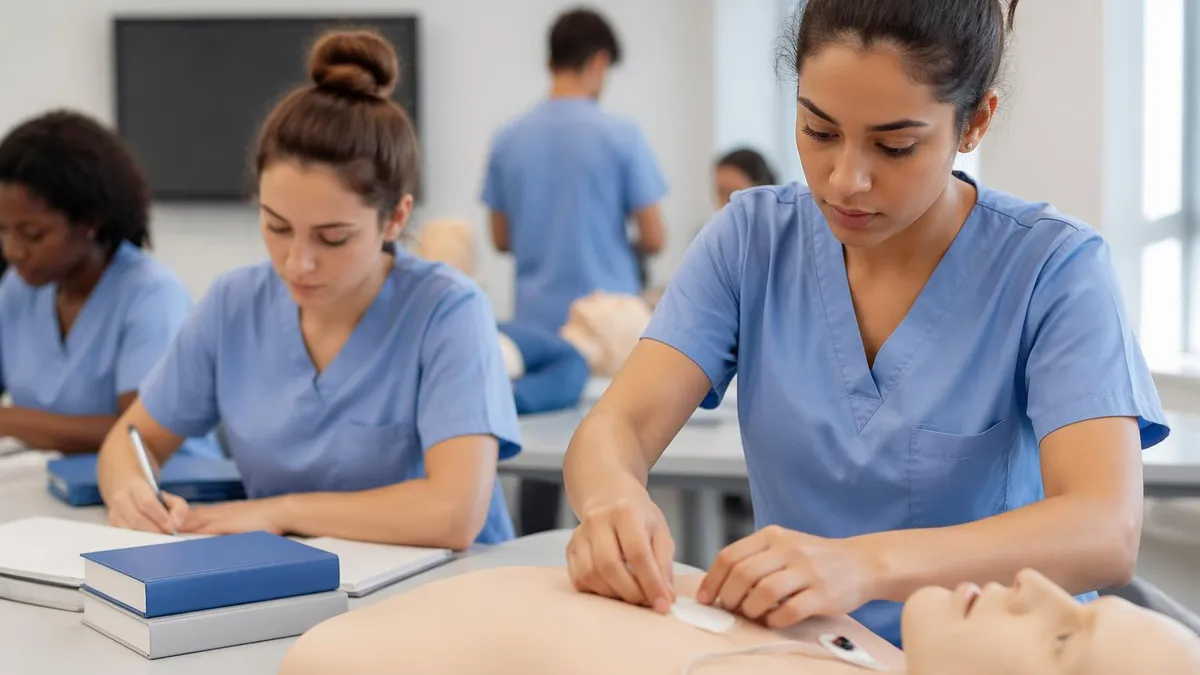
Hospice CNA: Duties, Salary, Per Diem Work & How to Get Started
4-Week CNA Program: Online Options, State Programs & How to Enroll
About the Author

Registered Nurse & Healthcare Educator
Johns Hopkins University School of NursingDr. Sarah Mitchell is a board-certified registered nurse with over 15 years of clinical and academic experience. She completed her PhD in Nursing Science at Johns Hopkins University and has taught NCLEX preparation and clinical skills courses for nursing students across the United States. Her research focuses on evidence-based exam preparation strategies for healthcare certification candidates.
Join the Discussion
Connect with other students preparing for this exam. Share tips, ask questions, and get advice from people who have been there.
View discussion (8 replies)