
Certified Lymphedema Therapist: Career Overview, Duties, and Certification Path
Learn what a certified lymphedema therapist does, how to get certified, salary expectations, and career outlook in this complete 2026 October guide. 🧠

A certified lymphedema therapist (CLT) is a licensed healthcare professional who specializes in diagnosing and treating lymphedema, a chronic condition caused by damage or blockage in the lymphatic system that leads to painful swelling, typically in the arms or legs. This credential is one of the most respected designations in rehabilitative medicine, recognizing clinicians who have completed rigorous post-graduate training in Complete Decongestive Therapy (CDT) — the gold standard treatment approach for lymphedema management recognized worldwide.
The demand for CLTs has grown sharply over the past decade, driven by rising cancer survival rates, an aging U.S. population, and a broader clinical awareness of lymphatic dysfunction as an underdiagnosed and undertreated condition. With approximately 10 million Americans living with lymphedema — more than multiple sclerosis, muscular dystrophy, ALS, Parkinson's disease, and AIDS combined — the need for qualified specialists has never been greater. Hospitals, outpatient rehabilitation clinics, cancer centers, and home health agencies are all actively recruiting CLTs.
Becoming a certified lymphedema therapist requires more than clinical experience alone. Candidates must first hold an active license in a qualifying healthcare profession such as physical therapy, occupational therapy, massage therapy, or nursing. From there, they complete a specialized lymphedema training program — typically 135 to 160 hours of combined didactic and hands-on instruction — before sitting for the CLT certification examination. The exam tests knowledge across anatomy, pathology, manual lymph drainage, compression therapy, and patient education.
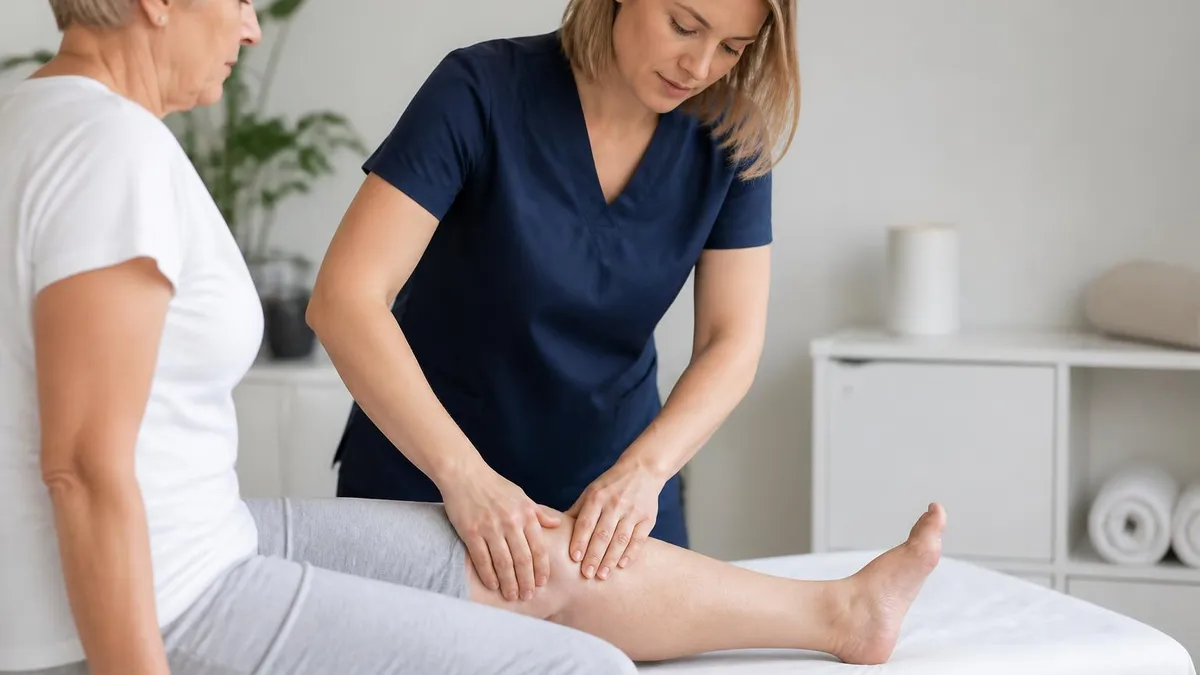
The career offers meaningful daily work. CLTs spend their days performing detailed patient assessments, applying manual lymph drainage (MLD) techniques, fitting and managing compression garments, teaching patients self-care protocols, and coordinating care with oncologists, wound care specialists, and primary care physicians. No two patients present exactly the same way, which makes the clinical environment intellectually stimulating and professionally rewarding for those who enjoy problem-solving in a patient-centered context.
From a compensation standpoint, CLTs typically earn more than their non-certified peers across all base professions. The specialized credential commands salary premiums that range from $5,000 to $15,000 annually depending on setting, geography, and years of experience. In hospital systems and major metropolitan areas, experienced CLTs can earn well above the median. Many also build private practice niches, contract with insurance networks, and provide home-visit services that further increase earning potential.
This article provides a comprehensive overview of what it means to work as a certified lymphedema therapist in the United States — including the day-to-day duties, educational and certification requirements, employment settings, career growth opportunities, and the study strategies that will help you pass the CLT exam on your first attempt. Whether you are currently working toward your certification or researching the specialty for the first time, this guide gives you the foundational knowledge and practical roadmap to succeed.
Understanding the full scope of the CLT role also helps you study smarter. The certification exam covers a wide range of clinical domains, and knowing how each topic connects to real patient care makes the material stick. As you work through this guide, you will find study resources, practice quizzes, and exam prep strategies woven throughout — giving you both career context and the tools you need to earn your credential with confidence.
Certified Lymphedema Therapist by the Numbers

CLT Certification Requirements: What You Need to Know
Applicants must hold an active, unrestricted license in a healthcare field such as physical therapy, occupational therapy, massage therapy, or registered nursing. Some programs also accept physician assistants and athletic trainers with documented clinical experience.
Candidates must complete a minimum of 135 hours of instruction through an accredited lymphedema training program. Coursework covers lymphatic anatomy, CDT theory, manual lymph drainage techniques, compression bandaging, and patient exercise protocols.
A significant portion of the training hours — typically 40 to 60 hours — must be direct patient contact under the supervision of an experienced CLT. This clinical practicum is essential for developing safe, effective manual technique.
After completing a qualifying training program, candidates sit for a written examination. The Lymphology Association of North America (LANA) exam is the most widely recognized, consisting of 135 multiple-choice questions covering all CDT competency domains.
CLT credentials must be renewed periodically through continuing education. LANA requires 20 CEUs every five years plus a current base license. Staying current keeps clinicians updated on evolving research and treatment protocols in lymphatic care.
The daily responsibilities of a certified lymphedema therapist span clinical assessment, hands-on treatment, patient education, and interdisciplinary communication. A typical morning might begin with reviewing new patient intake forms, conducting initial assessments that include limb volume measurements, skin condition evaluations, and pitting edema grading. CLTs must be skilled at distinguishing primary lymphedema — a congenital or developmental condition — from secondary lymphedema caused by surgery, radiation, trauma, or infection, because treatment planning differs meaningfully between the two presentations.
Manual lymph drainage (MLD) is the core hands-on skill of the CLT role. This specialized massage technique uses light, rhythmic skin stretching movements to stimulate superficial lymphatic vessels and reroute lymph fluid around damaged or blocked nodes toward functioning drainage areas. Performed correctly, MLD sessions last between 45 and 60 minutes and follow precise anatomical sequences that vary based on which lymph node regions have been compromised. CLTs must have an expert-level understanding of the lymphatic anatomy in order to adapt these sequences safely for each patient's clinical picture.
Compression therapy is the second pillar of CDT. During the active treatment phase, CLTs apply multilayer short-stretch bandaging systems after each MLD session to maintain the reductions achieved during treatment and prevent fluid from re-accumulating. This bandaging requires technical precision — incorrect tension or layering can compromise circulation or cause pressure injuries, particularly in elderly patients or those with fragile skin. Once a patient transitions to the maintenance phase, CLTs fit and train patients on compression garments including sleeves, stockings, and gloves that must be worn daily for life.
Patient education is not a peripheral part of the CLT job — it is central to long-term outcomes. Lymphedema has no permanent cure, which means patients must learn to self-manage their condition indefinitely. CLTs teach exercises that help lymphatic flow, instruct patients on proper skin hygiene to prevent infections (cellulitis is a serious and common complication), demonstrate self-bandaging techniques, and coach patients on activity modifications and weight management strategies that reduce lymphedema burden. Clear, empathetic communication is as important as technical skill in this specialty.
CLTs working in oncology settings face additional complexity. Cancer patients may be managing active treatment side effects, fatigue, psychological distress, and multiple concurrent therapy appointments. A CLT in a cancer center must coordinate closely with the oncology team, understand how different chemotherapy agents or radiation fields affect lymphatic tissue, and adjust treatment protocols based on a patient's overall medical stability. Post-mastectomy lymphedema, which affects roughly 20% of breast cancer survivors, is one of the most common presentations CLTs encounter in these settings.
Documentation and insurance billing add an administrative layer to the CLT role. Clinicians must write detailed progress notes, justify medical necessity for insurance reimbursement, track outcome measures across treatment episodes, and communicate findings to referring physicians. Understanding the ICD-10 codes specific to lymphedema and the billing nuances of CDT — including how to code MLD sessions versus compression bandaging visits — is a practical skill that directly affects a clinic's financial sustainability and a patient's access to covered care.
CLTs also play an important role in program development and advocacy. Many work to build lymphedema programs within health systems that lack them, train colleagues in basic lymphedema screening, and advocate for insurance coverage parity — a persistent challenge since lymphedema treatment coverage varies widely across payers. Those with advanced experience often pursue roles as clinical educators, supervising new CLT trainees during their practicum hours and keeping the specialty pipeline filled with qualified practitioners equipped to serve the millions of Americans who need this specialized care.
CLT Exam Topic Areas: What the Certification Covers
The CLT exam places heavy emphasis on lymphatic anatomy, including the structure of lymph capillaries, collectors, trunks, and ducts, as well as the location and drainage territories of all major lymph node groups. Candidates must understand how lymph is formed from interstitial fluid, how it moves through the lymphatic system via intrinsic and extrinsic pumping mechanisms, and how the lymphatic and venous systems interact at the thoracic duct and right lymphatic duct junctions.
Pathology questions test understanding of the Starling equilibrium, the staging of lymphedema from Stage 0 (subclinical) through Stage 3 (elephantiasis), common secondary causes including cancer treatment, filariasis, and venous disease, and the histological changes that occur in chronic untreated lymphedema. Understanding how inflammation, fibrosis, and adipose deposition progress helps candidates answer clinical reasoning questions about treatment urgency and prognosis.

Is Becoming a Certified Lymphedema Therapist Right for You?
- +High patient impact: CLTs directly improve quality of life for patients with a chronic, often undertreated condition
- +Salary premium: CLT credential typically adds $5,000–$15,000 annually over non-certified peers in the same base profession
- +Growing demand: Cancer survivorship rates and an aging population are expanding the CLT job market consistently
- +Intellectual variety: Each patient presents differently, requiring ongoing clinical problem-solving and individualized treatment plans
- +Career flexibility: CLTs can work in hospitals, outpatient clinics, cancer centers, home health, or independent practice
- +Respected specialty: CLT credential is recognized by major health systems, insurers, and the National Lymphedema Network as a mark of expertise
- −Significant training investment: 135–160 hours of post-graduate training requires time off work and can cost $2,500–$5,000 in program fees
- −Physical demands: MLD requires sustained manual technique that can lead to hand and wrist strain with high patient volumes
- −Insurance challenges: Lymphedema treatment coverage is inconsistent across payers, creating billing complexity and authorization frustrations
- −Chronic condition caseload: Many patients require ongoing care indefinitely, which can be emotionally and administratively demanding
- −Limited awareness in some systems: CLTs in non-specialized settings may need to advocate for lymphedema program resources and referral pathways
- −Recertification obligations: Ongoing CEU requirements and license maintenance add cost and time investment throughout the career
Pros and Cons at a Glance
| Pros | Cons |
|---|---|
| High patient impact: CLTs directly improve quality of life for patients with a chronic, often undertreated condition | Physical demands: MLD requires sustained manual technique that can lead to hand and wrist strain with high patient volumes |
| Growing demand: Cancer survivorship rates and an aging population are expanding the CLT job market consistently | Insurance challenges: Lymphedema treatment coverage is inconsistent across payers, creating billing complexity and authorization frustrations |
| Intellectual variety: Each patient presents differently, requiring ongoing clinical problem-solving and individualized treatment plans | Chronic condition caseload: Many patients require ongoing care indefinitely, which can be emotionally and administratively demanding |
| Career flexibility: CLTs can work in hospitals, outpatient clinics, cancer centers, home health, or independent practice | Limited awareness in some systems: CLTs in non-specialized settings may need to advocate for lymphedema program resources and referral pathways |
| Respected specialty: CLT credential is recognized by major health systems, insurers, and the National Lymphedema Network as a mark of expertise | Recertification obligations: Ongoing CEU requirements and license maintenance add cost and time investment throughout the career |
CLT Exam Preparation Checklist: 10 Steps to Pass
- ✓Complete all required training hours in an accredited CLT program before scheduling your exam date
- ✓Study the Földi textbook on lymphology — it is the foundational reference for nearly all CLT certification exams
- ✓Memorize lymphatic anatomy including all major lymph node stations, trunks, ducts, and watershed boundaries
- ✓Practice MLD sequences for upper extremity, lower extremity, face, and truncal lymphedema on real patients
- ✓Learn all four MLD strokes and their biomechanical rationale well enough to recognize correct versus incorrect technique in exam scenarios
- ✓Review compression bandaging physics including Laplace's law, short-stretch vs. long-stretch indications, and multilayer application principles
- ✓Study CDT contraindications and relative precautions systematically — these appear on every exam and require precise recall
- ✓Take at least three full-length timed practice exams under realistic conditions to build test-taking stamina and pacing
- ✓Review lymphedema staging criteria and be able to distinguish Stage 0 through Stage 3 based on clinical descriptions
- ✓Identify your weakest topic domain from practice exam analytics and dedicate extra study time to that area in the final two weeks
CDT Is Both the Treatment and the Exam Framework
Complete Decongestive Therapy is not just what CLTs do — it is the organizing framework for the entire certification examination. Every major topic area maps back to one of CDT's four components: manual lymph drainage, compression therapy, exercise, and skin care. When you study CDT comprehensively, you are covering the exam blueprint at the same time. Organize your notes and practice quizzes around these four pillars and you will naturally build a complete knowledge base.
Salary for certified lymphedema therapists varies based on the candidate's underlying license, work setting, geographic location, and years of experience. Physical therapists and occupational therapists with CLT credentials working in hospital outpatient settings in major metropolitan areas typically earn between $72,000 and $95,000 annually. Those in rural areas or smaller outpatient practices may earn closer to $58,000 to $72,000. Massage therapists and lymphedema technicians with CLT credentials generally have a lower baseline salary but still command meaningful premiums over non-certified peers in their discipline.
Employment settings for CLTs are diverse. Hospital-based outpatient rehabilitation departments are the most common setting, offering stable schedules, benefits packages, and access to multidisciplinary teams. Comprehensive cancer centers employ CLTs extensively, particularly in institutions with dedicated survivorship programs. Some CLTs work embedded in surgical oncology or plastic surgery practices, providing immediate post-operative lymphedema assessment and early intervention for patients at high risk — such as those undergoing sentinel lymph node biopsy or axillary lymph node dissection.
Home health agencies represent a growing employment niche for CLTs. Patients who are homebound due to advanced lymphedema, wound complications, or limited mobility often cannot travel to outpatient clinics, yet they still require skilled CDT services. Home health CLTs carry a more independent caseload, manage their own scheduling, and must be comfortable performing comprehensive assessment and treatment in variable home environments without the clinical support infrastructure of a hospital or clinic setting.
Private practice is an attractive option for experienced CLTs who want greater clinical autonomy and earning potential. A solo CLT practice or small group practice can contract with commercial insurers, Medicare, and Medicaid to provide CDT services, supplemented by out-of-pocket intensive programs for patients seeking faster results. Building a referral network with oncologists, surgeons, and primary care physicians is the most critical step in establishing a viable private practice. Many successful private practice CLTs develop specialty niches — pediatric lymphedema, post-bariatric surgery swelling, or lipedema treatment — to differentiate themselves in their local markets.
Career advancement for CLTs often follows one of three paths: clinical specialization, education, or administration. Clinically, CLTs can pursue advanced certifications in related areas such as wound care (WCC), Kinesio taping, or complex regional pain syndrome management that broaden their service offerings and referral base. Educational pathways include becoming a supervising clinician for lymphedema training programs, guest lecturing at physical therapy or occupational therapy programs, or developing continuing education content. Administrative advancement can lead to roles as rehabilitation department directors, clinical program managers, or lymphedema program coordinators within large health systems.
The long-term outlook for CLTs is strongly positive. The Bureau of Labor Statistics projects continued growth in physical therapy and occupational therapy employment through 2033, and lymphedema specialization consistently ranks as one of the most in-demand post-graduate credentials within both professions. As awareness of lipedema — a related condition often confused with lymphedema — grows among clinicians and patients, CLTs with expertise in both disorders will find their skills increasingly valued. Legislative efforts like the Lymphedema Treatment Act, which expanded Medicare coverage for compression supplies, are improving patient access to care and driving further demand for qualified CLT practitioners.
For healthcare professionals considering the CLT specialty, the investment in training and certification consistently delivers strong career returns. The combination of growing patient need, favorable salary premiums, clinical variety, and meaningful patient impact makes certified lymphedema therapy one of the most compelling specialty credentials available in rehabilitation medicine today. Planning your training timeline carefully, choosing an accredited program with sufficient clinical practicum hours, and preparing thoroughly for the certification exam are the three steps that determine how quickly and confidently you enter this rewarding career.

Not all lymphedema training programs meet the hour requirements or clinical standards required for LANA or other major certifying body eligibility. Before enrolling in any CLT training course, confirm that the program meets the minimum 135-hour threshold, includes adequate hands-on patient contact, and is accepted by the certification body you plan to test with. Completing a non-qualifying program means starting over — verify accreditation first to protect your time and financial investment.
Passing the CLT certification exam requires a structured preparation strategy that goes beyond reviewing your training program notes. The LANA exam, which is widely regarded as the most rigorous CLT certification assessment in the United States, consists of 135 multiple-choice questions covering anatomy, physiology, pathology, CDT technique, compression therapy, and patient care coordination. Candidates have three hours to complete the exam, and a scaled passing score is required — meaning raw score alone does not determine pass or fail, as performance is evaluated against a reference standard of minimal competency.
The first phase of effective exam preparation is building a strong anatomical foundation. CLT exam questions frequently ask candidates to identify the correct MLD treatment sequence for a patient with a specific pattern of lymph node damage, which requires knowing which drainage territories feed which lymph node stations and which collateral pathways are available when primary routes are blocked. Use anatomical diagrams, flash cards, and hands-on practice to anchor this knowledge in both your memory and your clinical instincts.
The second phase focuses on clinical reasoning. Many exam questions present a brief patient scenario and ask what the most appropriate clinical action is — whether to initiate MLD, apply compression, defer treatment due to a contraindication, or refer to a physician. These scenario questions reward candidates who have internalized CDT decision-making frameworks rather than those who have merely memorized isolated facts. Working through practice cases, discussing difficult scenarios with colleagues, and reviewing published case studies all build this reasoning capability.
Practice examinations are one of the highest-yield preparation tools available. Taking full-length timed practice tests under realistic conditions builds stamina, exposes knowledge gaps, and trains your brain to manage test anxiety. After each practice exam, spend equal or greater time reviewing every question you answered incorrectly — not just to learn the right answer, but to understand why your reasoning went astray and what clinical principle you need to reinforce. This reflective review process accelerates learning far more than simply re-reading notes.
Time management during the actual exam deserves explicit preparation. With 135 questions in 180 minutes, you have approximately 80 seconds per question on average. Most candidates find that some questions are answered quickly and confidently while others require more deliberation. Practice scanning each question, identifying whether it is a recall question or a reasoning question, and allocating your time accordingly. If you encounter a question you cannot confidently answer, mark it and return after completing the rest of the exam — never let a single difficult question disrupt your pacing.
Sleep, nutrition, and stress management in the days before the exam have a measurable impact on performance. Research on test-taking consistently shows that candidates who prioritize sleep over last-minute cramming in the 48 hours before an exam perform better than those who do not.
Aim for seven to eight hours of sleep the two nights before the exam, eat balanced meals, and avoid excessive caffeine on exam day. Arriving at the testing center early, having your identification documents ready, and completing a brief review of key formulas or mnemonics the morning of the exam are all practical steps that reduce day-of anxiety.
Finally, use every available study resource in a coordinated way rather than relying on a single source. Your training program materials provide the clinical framework; textbooks like the Földi Manual of Lymphatic Drainage provide anatomical depth; and targeted practice questions — like those available at PracticeTestGeeks for the CLT exam — provide the applied testing experience that translates classroom knowledge into exam-day confidence. Candidates who combine all three resource types consistently report higher first-attempt pass rates than those who rely on any single study method alone.
Once you have earned your CLT credential, the work of professional development does not stop — it shifts. The most successful CLTs treat their certification as a foundation rather than a finish line, continuously building their clinical skills, expanding their professional network, and staying current with emerging research in lymphatic medicine. The field is evolving rapidly, with new evidence emerging on topics like the role of lymphatic dysfunction in neurological conditions, the effectiveness of aquatic therapy for lymphedema, and the use of indocyanine green (ICG) lymphography to map lymphatic pathways non-invasively before surgical intervention.
Building strong referral relationships is one of the most practical steps a new CLT can take to accelerate career development. Introduce yourself to the oncologists, breast surgeons, gynecologic oncologists, and vascular surgeons in your community or health system. Offer to provide educational in-services about lymphedema screening and early referral indicators. Physicians who understand what CLTs do and trust your clinical judgment will send patients earlier and more consistently, improving both patient outcomes and your caseload volume. A well-functioning referral network is the backbone of a sustainable CLT practice.
Joining professional organizations such as the National Lymphedema Network (NLN) and the Lymphology Association of North America (LANA) provides access to continuing education resources, clinical practice guidelines, research publications, and peer networks of experienced CLTs. These organizations also advocate at the state and federal level for policies that expand patient access to lymphedema treatment, improve insurance coverage, and increase public awareness of the condition. Active participation in professional organizations accelerates career development and keeps you connected to the broader mission of the specialty.
Mentorship is a particularly valuable resource for CLTs in the first one to three years of practice. Seek out experienced CLTs in your workplace or professional network who are willing to observe your technique, answer clinical questions, and share hard-won insights about navigating complex cases. If you are supervising a lymphedema training practicum, the mentorship relationship runs both directions — teaching reinforces your own knowledge and helps you identify gaps you may not have known existed. Formal mentorship programs are available through some CLT training organizations and professional associations.
Continuing education requirements for CLT recertification should be viewed as an opportunity rather than an obligation. The CEU landscape for CLTs includes advanced MLD workshops, wound care integration courses, oncology rehabilitation conferences, and emerging specialty content on lipedema, Milroy's disease, and surgical lymphatic reconstruction techniques. Choosing CEU courses that address genuine gaps in your clinical knowledge or that open new patient populations to your practice maximizes both your competency and your career trajectory.
Technology is beginning to reshape how CLTs practice and document. Telehealth platforms allow CLTs to conduct follow-up visits, review self-care technique, and provide education to patients in rural or underserved areas who lack access to in-person CLT care. Electronic health record systems are improving their lymphedema-specific documentation templates, making outcomes tracking and insurance justification more efficient. And emerging wearable devices that continuously monitor limb volume changes may soon give CLTs objective data for detecting early lymphedema exacerbations before they become clinical emergencies.
The path to becoming and thriving as a certified lymphedema therapist is challenging, but the professional and personal rewards are substantial. You will work with patients who have often spent years searching for effective care, who are frequently told that nothing can be done, and who experience genuine transformation in function and quality of life when they receive skilled CDT from a knowledgeable CLT.
That impact — measurable in centimeters of limb reduction, in patients who can wear shoes again, in survivors who return to work and recreation — is what makes this specialty uniquely fulfilling in the landscape of modern rehabilitative medicine.
Sample CLT - Certified Lymphedema Therapist Practice Questions
Try these questions from our free CLT - Certified Lymphedema Therapist practice tests. The correct answer and an explanation follow each question.
What is the term for the skin condition involving fibrosis and hardening of subcutaneous tissue seen in advanced lymphedema?
- A. Fibrosis (sclerosis)
- B. Lipedema
- C. Angioedema
- D. Erysipelas
Answer: A. Fibrosis (sclerosis)
Fibrosis or sclerosis occurs when chronic protein-rich fluid accumulation triggers fibroblast activity, leading to hardened, indurated subcutaneous tissue.
What role does the thoracic duct play in exercise-related lymph flow in lymphedema patients?
- A. It serves as the final common drainage pathway for most body lymph into the venous system, enhanced by breathing during exercise
- B. It directly absorbs interstitial fluid from the affected limb during exercise
- C. It stores excess lymph fluid during high-intensity activity
- D. It bypasses congested lymph nodes to drain fluid directly into the liver
Answer: A. It serves as the final common drainage pathway for most body lymph into the venous system, enhanced by breathing during exercise
The thoracic duct drains lymph from most of the body into the left subclavian vein, and its flow is enhanced during exercise by increased respiratory rate creating stronger thoracic pressure gradients.
What is an important aspect of skin care in lymphedema?
- A. Exfoliation with harsh brushes
- B. Daily moisturizing and hygiene
- C. Avoiding contact with water
- D. Using alcohol-based cleaners
Answer: B. Daily moisturizing and hygiene
Meticulous skin care is a critical component of lymphedema management. The skin in lymphedematous limbs is often dry, fragile, and prone to cracking, making it susceptible to infections like cellulitis. Daily moisturizing with pH-neutral lotions and thorough hygiene help maintain skin integrity, prevent dryness, and reduce the risk of bacterial entry, thereby minimizing complications.
Why is long-term follow-up important in lymphedema management?
- A. To administer antibiotics
- B. To change medications frequently
- C. To monitor and support long-term success
- D. To prevent insurance renewal
Answer: C. To monitor and support long-term success
Lymphedema is a chronic condition that requires ongoing management, making long-term follow-up essential. This ensures the treatment plan remains effective, allows for adjustments as the patient's condition evolves, and provides continuous support and education. Regular monitoring helps maintain reduced swelling, prevent complications, and improve the patient's quality of life over time.
Take the full CLT - Certified Lymphedema Therapist practice test
CLT Questions and Answers

About the Author

Educational Psychologist & Academic Test Preparation Expert
Columbia University Teachers CollegeDr. Lisa Patel holds a Doctorate in Education from Columbia University Teachers College and has spent 17 years researching standardized test design and academic assessment. She has developed preparation programs for SAT, ACT, GRE, LSAT, UCAT, and numerous professional licensing exams, helping students of all backgrounds achieve their target scores.