
Chauffeur License Missouri: Requirements & How to Get It 2026 September
✅ Pass the Chauffeur License Missouri: exam with confidence. Practice questions with detailed explanations and instant feedback on every answer.

Do You Need a Chauffeur License in Missouri?
Missouri requires a chauffeur license for anyone who drives a motor vehicle for hire — meaning you're paid to transport passengers. This includes taxi drivers, rideshare drivers operating under a commercial arrangement, limousine and black car drivers, shuttle and van drivers, and anyone else whose job is transporting people in exchange for money or compensation. If you're driving commercially for passengers, a standard Class F (regular) driver's license isn't sufficient — you need the Class E chauffeur license.
Missouri's Class E license is specifically designated for chauffeurs and operators of vehicles for hire. It's the credential that authorizes you to legally operate in for-hire passenger transport roles. Without it, you're operating outside your license class, which can result in fines, license suspension, and liability issues in the event of an accident.
Some Missouri drivers ask whether rideshare (Uber, Lyft) requires a chauffeur license. The answer in Missouri has evolved as rideshare regulations developed. Rideshare companies operating under Transportation Network Company (TNC) frameworks may have specific regulatory arrangements distinct from traditional chauffeur licensing requirements. Check with the Missouri Department of Revenue and your rideshare platform's compliance requirements — don't assume one set of rules covers the other.
Missouri Chauffeur License Requirements
To obtain a Class E chauffeur's license in Missouri, you need to meet the following requirements:
Age: You must be at least 18 years old to obtain a chauffeur license in Missouri. This is the minimum age for commercial passenger transport.
Valid Missouri Driver's License: You must already hold a valid Missouri driver's license (Class F or higher). The chauffeur license adds a classification to your existing license — you're not replacing your regular license, you're upgrading it.
Clean Driving Record: Missouri doesn't require a perfect driving record, but significant violations — DWI convictions, reckless driving, excessive moving violations — can affect your eligibility. Commercial passenger transport operators are held to a higher standard than standard license holders. Review your Missouri driving record before applying and address any outstanding issues.
Vision Requirements: You must meet Missouri's vision standards for a chauffeur license, which include minimum visual acuity (corrected or uncorrected) and adequate peripheral vision. If you wear glasses or contacts, bring them to the licensing exam — you'll need to wear them whenever driving.
Knowledge Test: Missouri requires a written knowledge test covering Missouri traffic laws, safe driving practices, and rules specific to commercial passenger transport. The test is administered at Missouri Department of Revenue (DOR) driver licensing offices.
Medical Certificate (if applicable): Depending on the type of vehicle you'll be driving and the nature of your commercial operation, you may need to meet specific medical fitness standards. For some commercial passenger transport roles, a medical examiner's certificate may be required. Verify the specific requirements for your type of operation with the Missouri DOR.
How to Apply for a Missouri Chauffeur License
The application process for a Missouri Class E chauffeur license involves visiting a Missouri DOR driver licensing office in person. You can't complete the entire process online — the knowledge test and any required skills tests must be taken in person.
Bring the following documents: your current valid Missouri driver's license, proof of identity (if your current license doesn't suffice), Social Security card or documentation, and any required application fee payment. Missouri's DOR website lists the current fee schedule — chauffeur license fees may differ from standard license fees, and fees change periodically.
At the licensing office, you'll complete the application, have your vision checked, and take the written knowledge test. If there's a skills test component required for your specific classification, that will also be scheduled. Processing times vary by location and time of year — some offices allow walk-ins, while others prefer or require appointments. Check the Missouri DOR's online appointment system before you go.
Once you pass the required tests and the application is processed, your Class E chauffeur license is issued. It will typically be mailed to you, with a temporary license provided at the office for immediate use.
Missouri Chauffeur License Knowledge Test
The Missouri chauffeur license knowledge test covers Missouri traffic laws, safe driving practices, and content specific to commercial passenger transport. It's not dramatically different from the standard Missouri driver's license test, but it does include content relevant to operating as a for-hire driver — professional conduct, passenger safety, and Missouri's rules for commercial transport.
Topics covered include: Missouri traffic laws and regulations, right-of-way rules, speed limits and their applicability to commercial vehicles, safe following distances and lane management, driving in adverse weather and road conditions, vehicle inspection basics, handling passenger emergencies, and professional ethics and conduct as a for-hire driver.
The knowledge test is multiple-choice. Missouri doesn't publish the exact number of questions or the required passing score on its public website — check directly with your local DOR office or the Missouri DOR website for current test specifics. Generally, these tests are 20–50 questions with a passing threshold around 80%.
Study the Missouri Driver Guide thoroughly before your test. Missouri's driver guide is available on the DOR website and covers traffic laws, road signs, and safe driving practices. For content specific to commercial passenger transport — professional conduct, passenger handling, specific regulations — study materials covering chauffeur responsibilities will help you prepare for the questions that go beyond the standard driver's guide content.
Practice with chauffeur traffic laws practice tests to build fluency with the types of questions you'll face. Domain-specific practice on traffic laws and regulations is especially valuable because these questions require applied reasoning — not just knowing the rule, but understanding how to apply it in a driving scenario.
Work through chauffeur professional ethics practice questions to prepare for the professional conduct section of the exam. This area tests your understanding of driver responsibilities to passengers, professional standards, and handling difficult situations — scenarios that are unique to commercial passenger transport and won't appear on the standard driver's test.
Missouri Chauffeur License Renewal and Maintenance
Missouri chauffeur licenses are valid for the same period as standard Missouri driver's licenses — currently 6 years for most drivers. Renewal requires visiting a DOR licensing office, passing a vision test, and paying the renewal fee. If your driving record has significant violations since your last renewal, they may be reviewed during the renewal process.
Missouri law requires all licensed drivers, including chauffeurs, to notify the DOR within 30 days of any address change. Failing to update your address can result in missed renewal notices and license expiration issues. Keep your address current — it's a minor administrative task that prevents significant headaches.
Missouri also has specific requirements around reporting certain convictions. As a chauffeur, if you're convicted of a DWI, reckless driving, or other serious traffic offense, you may be required to report this to both the DOR and your employer. Commercial passenger transport operators are held to higher standards, and a conviction that might not affect a standard license could affect your chauffeur license status.
Starting Your Career as a Chauffeur in Missouri
Missouri doesn't have a centralized licensing requirement for specific types of for-hire transportation companies (beyond the driver's license), but individual cities — particularly Kansas City and St. Louis — may have local business licensing requirements for chauffeur companies and for-hire vehicle operations. If you're planning to operate a transportation business in these cities, check with city licensing offices in addition to the state DOR requirements.
The chauffeur career path includes both independent operation (starting your own for-hire transportation service) and employment with existing companies (limousine services, ground transportation companies, corporate chauffeur services, and airport transportation providers). The experience and professional reputation you build matter as much as the license — clients and companies in premium transportation markets expect drivers who are punctual, professional, and capable of providing a consistent high-quality experience.
The chauffeur license requirements across states share common foundations but differ in specifics. If you're planning to drive across state lines — common for interstate limousine and ground transportation services — understand the requirements in each state you'll be operating in. Some states recognize Missouri's Class E license; others may require additional endorsements or separate licensing.
Building a professional chauffeur career in Missouri starts with getting your license right — studying properly, passing the test on the first attempt, and understanding the legal obligations that come with operating as a commercial passenger carrier. Use chauffeur vehicle operation practice tests to prepare for the vehicle knowledge component of your licensing exam and to build the professional knowledge base your career will rely on.

- +Industry-recognized credential boosts your resume
- +Higher earning potential (10-20% salary increase on average)
- +Demonstrates commitment to professional development
- +Opens doors to advanced career opportunities
- −Exam preparation requires significant time investment (4-8 weeks)
- −Certification fees can be $100-$400+
- −May require continuing education to maintain
- −Some employers may not require certification

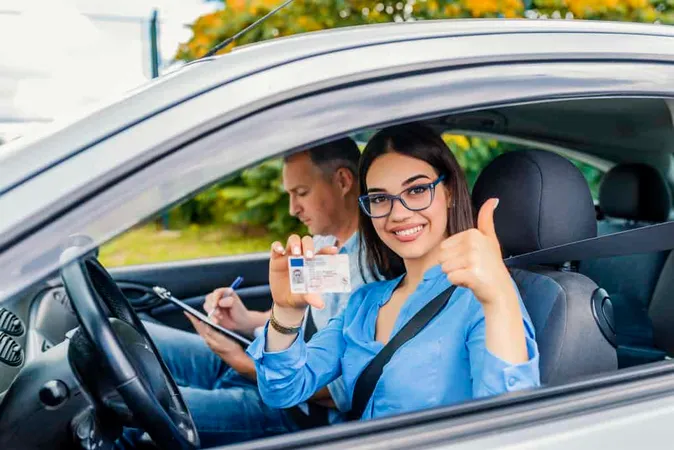



Preparing for Your Missouri Chauffeur License Exam
Get the Missouri Driver Guide from the DOR website or pick up a copy at a licensing office. Read it thoroughly — not skimming, but actually reading. The knowledge test is drawn from this content, and the questions test specific rules, not general knowledge. Knowing that you "should" follow at a safe distance isn't the same as knowing that Missouri law specifies a minimum following distance of one car length per 10 mph of speed.
Pay particular attention to sections on: right-of-way at intersections, speed limits in different zones, rules for school zones and emergency vehicles, railroad crossing procedures, and Missouri's implied consent law for DWI testing. These topics appear on both the standard and chauffeur knowledge tests.
Also study content specific to commercial passenger operations: professional conduct standards, passenger assistance and special needs accommodation, vehicle inspection basics, and handling emergencies involving passengers. These topics distinguish the chauffeur knowledge test from the standard test and are the areas where prepared candidates separate themselves from underprepared ones.
Use chauffeur license test practice resources and the domain-specific quizzes on PracticeTestGeeks to build your knowledge across all tested areas. Practice under conditions that simulate the actual test — timed, quiet, with no looking up answers until after you've committed to an answer. That approach builds the test-taking habits that translate to first-attempt success on the real exam.
About the Author
Licensed Driving Instructor & DMV Test Specialist
Penn State UniversityRobert J. Williams graduated from Penn State University with a degree in Transportation Management and has spent 20 years as a certified driving instructor and DMV examiner consultant. He has personally coached thousands of applicants through written knowledge tests, skills assessments, and commercial driver licensing programs across more than 30 states.