
Ace Your (CST) Certified Surgical Technologists Test Today 2026 September
Get ready for your Ace Your (CST) Certified Surgical certification. 🏆 Practice questions with step-by-step answer explanations and instant scoring.
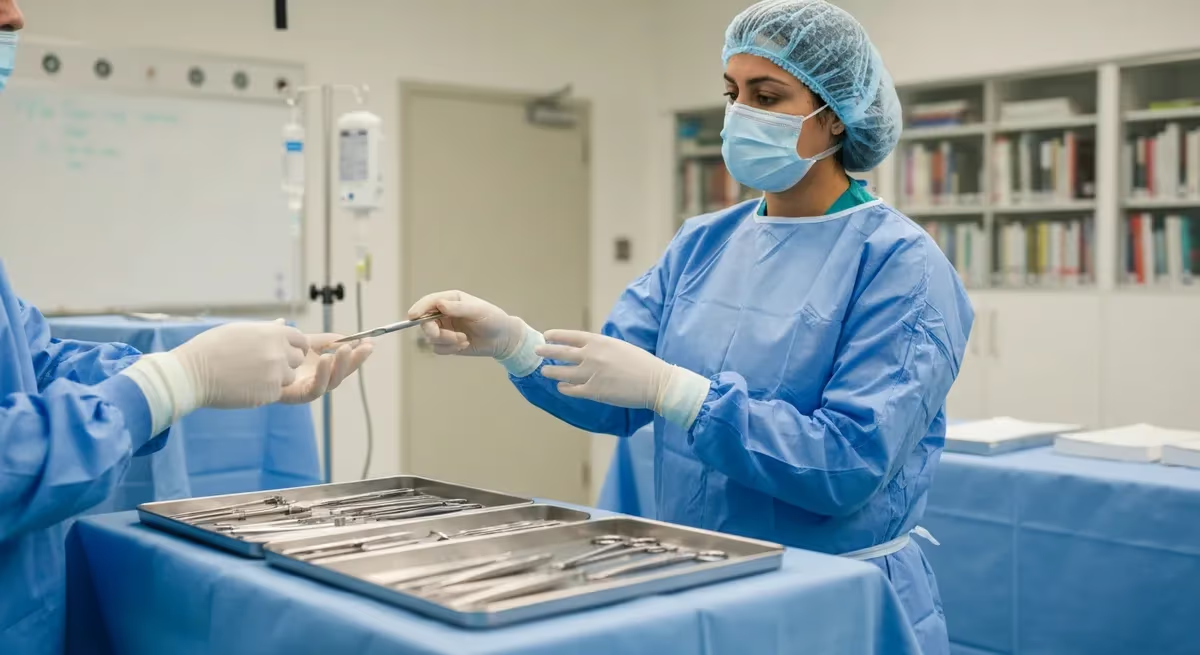
Becoming a (CST) Certified Surgical Technologists is a crucial step for individuals aspiring to excel in the surgical field. The CST certification validates your skills, enhances your professional credibility, and opens doors to career advancement opportunities. This article provides a comprehensive guide to prepare you for the CST Test, covering essential knowledge areas, tips for success, and key resources.
Key Takeaways
- CST Certification Importance: The CST certification validates your skills and enhances your career opportunities within the surgical field.
- Exam Preparation: Familiarize yourself with the exam structure and key areas covered, such as surgical procedures, instrumentation, and aseptic techniques.
- Study Strategies: Utilize accredited programs, study resources, practice tests, and study groups to effectively prepare for the CST Test.
- Salary Insights: The average salary for surgical technologists varies based on experience, location, and specialization, with median salaries around $49,700.

Importance of CST Certification
Understanding the Certified Surgical Technologist Test
The CST test is designed to assess the knowledge and competencies required to work effectively in surgical settings. This certification is crucial for ensuring that surgical technologists can perform their duties safely and efficiently.
- Professional Credibility: Earning the CST certification demonstrates your commitment to the profession and adherence to high standards of practice.
- Career Opportunities: CST certification can lead to advanced job opportunities and higher salary potential in the healthcare sector.
- Skill Validation: The certification process confirms that you possess the necessary skills and knowledge to function effectively in a surgical environment.
Certified Surgical Technologist Test Overview
The Certified Surgical Technologist test is a comprehensive assessment designed to evaluate a candidate’s knowledge and skills related to surgical procedures. The certification is offered by the National Board of Surgical Technology and Surgical Assisting (NBSTSA). Key components of the test include:
- Content Areas: The exam covers various subjects, including surgical procedures, sterile technique, anatomy and physiology, patient safety, and equipment handling.
- Format: The CST test typically consists of 175 multiple-choice questions, out of which 150 are scored. Candidates have 3 hours to complete the exam.
- Eligibility Requirements: To sit for the CST test, candidates must have completed an accredited surgical technology program or hold a credential that meets the NBSTSA's qualifications.
General Study Tips
What's the best study strategy for General?
Focus on weak areas first. Use practice tests to identify gaps, then study those topics intensively.
How far in advance should I start studying?
Most successful candidates begin 4-8 weeks before the exam. Create a structured study schedule.
Should I retake practice tests?
Yes! Take each practice test 2-3 times. Focus on understanding why answers are correct, not memorizing.
What should I do on exam day?
Arrive 30 min early, bring required ID, read questions carefully, flag difficult ones, and review before submitting.
- ✓Confirm your exam appointment and location
- ✓Bring required identification documents
- ✓Arrive 30 minutes early to check in
- ✓Read each question carefully before answering
- ✓Flag difficult questions and return to them later
- ✓Manage your time — don't spend too long on one question
- ✓Review flagged questions before submitting
Certified Surgical Technologist Qualifications
To become a Certified Surgical Technologist, candidates must meet specific educational and experiential requirements:
- Education: Candidates must graduate from a surgical technology program accredited by the Commission on Accreditation of Allied Health Education Programs (CAAHEP) or another recognized body.
- Clinical Experience: Most programs include a clinical component that allows students to gain hands-on experience in surgical settings.
- Certification Exam: After completing an accredited program, graduates must pass the CST exam to earn certification.
Certified Surgical Technologist Salary
Career Prospects and Salary Information
The salary of a Certified Surgical Technologist can vary significantly based on factors such as geographic location, years of experience, and the type of healthcare facility. Here are some key points regarding CST salaries:
- Average Salary: As of recent data, the average salary for surgical technologists in the United States ranges from $45,000 to $60,000 per year.
- Location Impact: Salaries can differ considerably by state. For example, CSTs in metropolitan areas often earn higher wages compared to those in rural settings.
- Experience Levels: Entry-level surgical technologists may start with salaries around $40,000, while those with several years of experience or specialized skills can earn upwards of $70,000 annually.
Certified Surgical Technologist Program Options
Enrolling in an accredited surgical technology program is a critical step toward becoming a CST. These programs typically include both classroom instruction and hands-on clinical training. Here are some common features of surgical technology programs:
- Program Length: Most associate degree programs take about 18 to 24 months to complete, while diploma programs can be finished in as little as one year.
- Curriculum: Students learn about surgical procedures, instrumentation, patient care, and sterile techniques, as well as anatomy and physiology relevant to surgery.
- Accreditation: It's essential to choose a program accredited by CAAHEP or a similar organization to ensure eligibility for the CST exam.
Study Tips for the Surgical Technologist Test
Preparing for the CST Exam
Preparation is key to passing the CST exam and earning certification. Here are some effective study strategies:
- Review the Exam Blueprint: Familiarize yourself with the exam content outline provided by the NBSTSA, which details the topics and types of questions included.
- Use Study Guides and Practice Tests: Invest in reputable study guides specifically designed for the CST exam. Taking practice tests can help you assess your knowledge and identify areas needing improvement.
- Join Study Groups: Collaborating with peers preparing for the CST exam can provide support, motivation, and shared resources.
- Schedule Regular Study Sessions: Set aside consistent time each week to focus on exam preparation, ensuring that you cover all necessary topics.
- +Validates your knowledge and skills objectively
- +Increases job market competitiveness
- +Provides structured learning goals
- +Networking opportunities with other certified professionals
- −Study materials can be expensive
- −Exam anxiety can affect performance
- −Requires dedicated preparation time
- −Retake fees apply if you don't pass
General Questions and Answers
About the Author
Executive Chef & Culinary Arts Certification Educator
Culinary Institute of AmericaChef Marco Bellini is a Certified Executive Chef and graduate of the Culinary Institute of America with over 20 years of professional kitchen experience in Michelin-recognized restaurants. He teaches culinary arts certification, food safety, and hospitality exam preparation, having guided thousands of culinary students through their ServSafe, ProStart, and professional chef certifications.
Join the Discussion
Connect with other students preparing for this exam. Share tips, ask questions, and get advice from people who have been there.
View discussion (5 replies)