
CSSM: Security Supervision & Management Certification 2026 September
Prepare for the CSSM: Security Supervision & Management certification. Practice questions with answer explanations covering all exam domains. 🎓

The world of security is always changing, and the need for skilled people is growing. The CSSM (Certified in Security Supervision and Management) program is a top choice. It helps security experts grow their leadership skills and do well in security management.
The CSSM program teaches security pros how to manage operations, reduce risks, and follow rules. It covers important areas like emergency plans, threat assessments, and protecting people and assets. This training is key for those aiming for leadership roles in security.
Applicants going through korn ferry can practice the format and question style in advance with our Korn Ferry assessment 2026, reducing test-day surprises.
Key Takeaways
- Comprehensive security management training and certification
- Develop essential skills for security leadership and supervision
- Gain expertise in risk mitigation, emergency response, and threat assessment
- Learn regulatory compliance guidance and personnel management techniques
- Enhance your career opportunities in the security industry
Security Leadership Training
Unlock Your Leadership Potential with CSSM
The Certified Security Supervision and Management (CSSM) program is a game-changer for security pros. It helps them grow their leadership skills and make a real difference in their teams. This program gives you the tools and strategies to shine in security leadership, risk mitigation, and more.
The CSSM course teaches you the basics of being a great security leader. You'll learn to:
- Create a team culture that values asset protection and operational security
- Use data to improve physical security and cybersecurity oversight
- Talk clearly with everyone and handle regulatory compliance smoothly
- Lead in emergency preparedness and keeping business running
General Study Tips
What's the best study strategy for General?
Focus on weak areas first. Use practice tests to identify gaps, then study those topics intensively.
How far in advance should I start studying?
Most successful candidates begin 4-8 weeks before the exam. Create a structured study schedule.
Should I retake practice tests?
Yes! Take each practice test 2-3 times. Focus on understanding why answers are correct, not memorizing.
What should I do on exam day?
Arrive 30 min early, bring required ID, read questions carefully, flag difficult ones, and review before submitting.
- ✓Confirm your exam appointment and location
- ✓Bring required identification documents
- ✓Arrive 30 minutes early to check in
- ✓Read each question carefully before answering
- ✓Flag difficult questions and return to them later
- ✓Manage your time — don't spend too long on one question
- ✓Review flagged questions before submitting
Risk Mitigation Strategies
The CSSM program dives deep into risk mitigation. You'll learn to:
- Do detailed threat assessments and find weak spots
- Set up strong incident response protocols
- Use data and tech to improve security oversight
- Build a culture of responsibility and always getting better
This program gives security leaders the skills to make big changes. It helps keep their organizations safe and strong for the future.
Emergency Response Planning
Mastering Security Operations Oversight
The CSSM curriculum teaches professionals how to create strong emergency plans. It also shows them how to assess threats effectively. With these skills, CSSM-certified people can make their organizations safer. They can protect important assets and keep people safe.
A good emergency plan is key in a crisis. CSSM training helps security leaders make detailed plans for emergencies. This includes natural disasters and active shooter situations.
With CSSM, professionals can make sure their organizations are prepared. They can respond quickly and reduce the damage from unexpected events.
Threat Assessment Protocols
Good security management means being ready for threats. The CSSM program gives security pros the skills to find and fix threats. They learn to assess risks and take action to protect against them.
By using CSSM's threat assessment methods, professionals can improve their organization's security. They can keep their employees safe and protect their operations.

What is the CSSM (Certified in Security Supervision and Management) certification?
The CSSM certification is a program for security pros. It teaches them the skills needed for leadership roles. Topics include risk management, asset protection, and following rules.
What are the key focus areas of the CSSM program?
The CSSM program trains in security leadership. It helps professionals manage teams and risks. It also covers security operations, emergency plans, and following rules.
How does the CSSM certification help security professionals advance their careers?
The CSSM certification boosts a security pro's career. It teaches them to handle complex security issues. They learn to make smart decisions and create a safe work environment.
What are the key benefits of the CSSM certification for security professionals?
The CSSM certification offers many benefits. It helps develop leadership skills and risk management knowledge. It also improves security operations and emergency planning. Plus, it enhances personnel management and safety culture.
How does the CSSM certification contribute to the overall security of an organization?
The CSSM certification helps protect an organization. It teaches security pros to manage risks and prepare for emergencies. This leads to better asset protection, safer employees, and rule following. It makes the organization more secure.
- +Validates your knowledge and skills objectively
- +Increases job market competitiveness
- +Provides structured learning goals
- +Networking opportunities with other certified professionals
- −Study materials can be expensive
- −Exam anxiety can affect performance
- −Requires dedicated preparation time
- −Retake fees apply if you don't pass
General Questions and Answers
About the Author
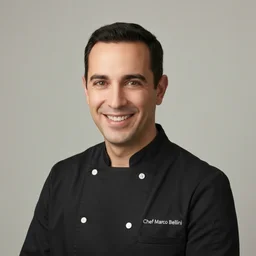
Executive Chef & Culinary Arts Certification Educator
Culinary Institute of AmericaChef Marco Bellini is a Certified Executive Chef and graduate of the Culinary Institute of America with over 20 years of professional kitchen experience in Michelin-recognized restaurants. He teaches culinary arts certification, food safety, and hospitality exam preparation, having guided thousands of culinary students through their ServSafe, ProStart, and professional chef certifications.
Join the Discussion
Connect with other students preparing for this exam. Share tips, ask questions, and get advice from people who have been there.
View discussion (5 replies)