
Certified Hemodialysis Technologist/Technician Exam 2026
Utilize our thorough exam preparation materials to become certified as a Hemodialysis Technologist/Technician 2026. We'll make sure you have the information and abilities necessary to confidently pass your certification exam with the help of our practice exams and study materials.
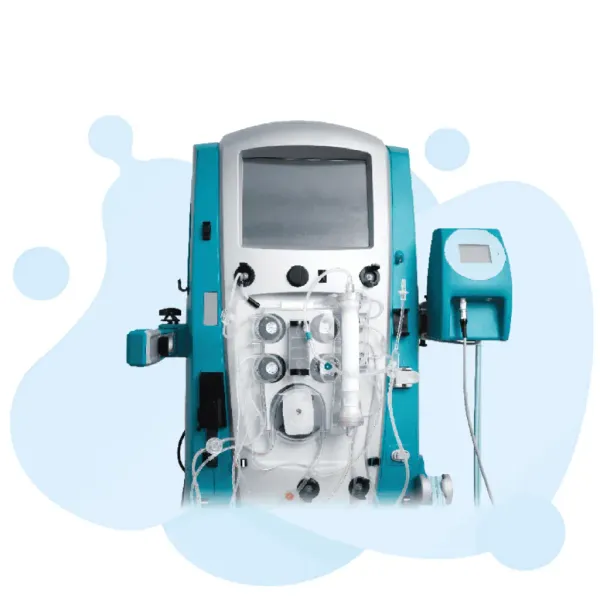
Certified Hemodialysis Technician Practice Test 2026
Certified Hemodialysis Technician (CHT) certification is a professional credential that can increase your employment opportunities. You can obtain this credential by completing a BONENT-approved renal dialysis training program and passing the CHT exam.
The BONENT hemodialysis exam is 150 questions long. The hemodialysis certification process also requires the submission of CEU documentation and work hours.
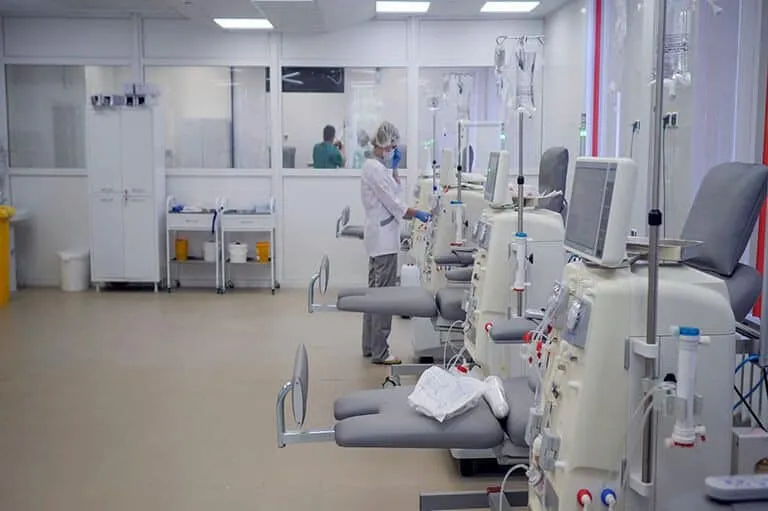
Hemodialysis Technician Questions and Answers
Certified Hemodialysis Technicians in the US make an average of $40593 per year.
A high school diploma or an equivalent is required to work as a hemodialysis technician. To earn your certification in hemodialysis, finish the training course. Both community colleges and vocational institutions have these programs available. Some employers could offer on-the-job instruction leading to certification as a certified hemodialysis technician. To keep your license to operate dialysis equipment, the majority of states demand that you go through continuing education training and pass an exam every few years.
The machines that remove waste from the blood of patients with acute or end-stage renal failure are operated and maintained by a dialysis technician.
Together with a physician or registered nurse, hemodialysis technicians, also known as dialysis technicians, offer treatment for patients with permanent kidney failure (end-stage renal disease). Dialysis of the kidneys eliminates metabolic waste from the blood. This is normally performed by the kidneys, but when they fail, dialysis is a critical treatment for a patient.
Dialysis technicians can acquire a certificate or an associate’s degree in 12 to 24 months. Students may require additional time to satisfy the clinical experience pre-requisites for certification and employment.
A healthcare worker that focuses on giving patients receiving hemodialysis therapy direct attention is known as a certified clinical hemodialysis technician (CCHT). The operation and upkeep of dialysis equipment, patient monitoring during treatments, and ensuring patients’ safety and wellbeing throughout the hemodialysis process are all tasks that these professionals are trained and certified to perform. The duties of CCHTs include setting up dialysis machines, keeping track of vital signs, starting and stopping dialysis treatments, keeping track of fluid balance, and handling any emergencies or difficulties that can occur while the process is being performed. They collaborate closely with a group of medical experts, including nephrologists and nurses, to provide patients with kidney disease with high-quality care. Individuals often go through specific training programs, obtain practical experience, and pass a certification exam that assesses their knowledge and abilities in hemodialysis patient care in order to become certified clinical hemodialysis technicians.
In California, the average annual compensation for a dialysis technician is $41,000. In California, dialysis technician wages can range from $21,500 to $74,000, depending on criteria such as abilities, experience, employer, bonuses, tips, and more.
The average annual salary for a Hemodialysis Biomedical Technician in the United States is $57,362 as of May 30, 2025.
Certified Dialysis Technicians earn $26 per hour on average.
A dialysis technician in Florida has an average yearly pay of $36,500.
A dialysis technician in Georgia has an average yearly pay of $35,500. In Georgia, compensation for dialysis technicians can range from $18,000 to $60,000, depending on a number of variables like experience, company, bonuses, and tips.
- GED or high school graduation is required, as is successful completion of a training course recognized by the state of California (i.e. approved by CDPH)
- Pass the national exam approved by the CMS or the state exam approved by the
- California Dialysis Council (CDC).
A complete program including academic learning, practical skill development, and supervised clinical practice is required to become a cannulation hemodialysis technician. The study of the anatomy and physiology of the vascular system, the basics of dialysis, and infection control procedures are frequently covered in-depth at the beginning of the training process. The use of needles, the identification of an appropriate site, and sterile procedures are all part of the practical training that follows this theoretical basis in cannulation techniques. Before moving on to providing real patient treatment while under strict observation, hands-on practice may be carried out on models or virtual arms first. Trainees also learn how to recognize and address issues like bleeding or infiltration. The importance of patient safety, effective communication, and adherence to legal requirements is emphasized throughout the course. Regular evaluations, tests, and feedback from knowledgeable teachers guarantee the trainee’s development and proficiency. To stay up to date with developments in hemodialysis technology and best practices in cannulation techniques, it’s also critical to pursue chances for ongoing professional development.
The choice of whether a hemodialysis technician should have liability insurance depends on a number of variables, including the rules and regulations of their company, the particular duties of their position, and the legal system in which they work. In the case of a malpractice claim or an occurrence that results in patient injury, liability insurance might offer financial protection. In order to protect themselves against potential legal and financial concerns, it is generally advised that healthcare professionals, including hemodialysis technicians, think about acquiring liability insurance. The final choice should, however, be determined by the individual’s evaluation of their needs, the level of risk involved with their job, and any relevant legal or professional requirements. Making a knowledgeable choice about liability insurance can be aided by speaking with an insurance expert or requesting advice from pertinent professional organizations.

Certified Hemodialysis Technologist/Technician Practice Test Questions
Prepare for the Certified Hemodialysis Technologist/Technician Exam exam with our free practice test modules. Each quiz covers key topics to help you pass on your first try.

Certified Hemodialysis Technician
Practice Certified Hemodialysis Technologist/Technician Exam questions. 7 questions to test your knowledge.

Certified Hemodialysis Technologist/Technician
Practice Certified Hemodialysis Technologist/Technician Exam questions. 7 questions to test your knowledge.

Hemodialysis Technologist
Practice Certified Hemodialysis Technologist/Technician Exam questions. 7 questions to test your knowledge.