
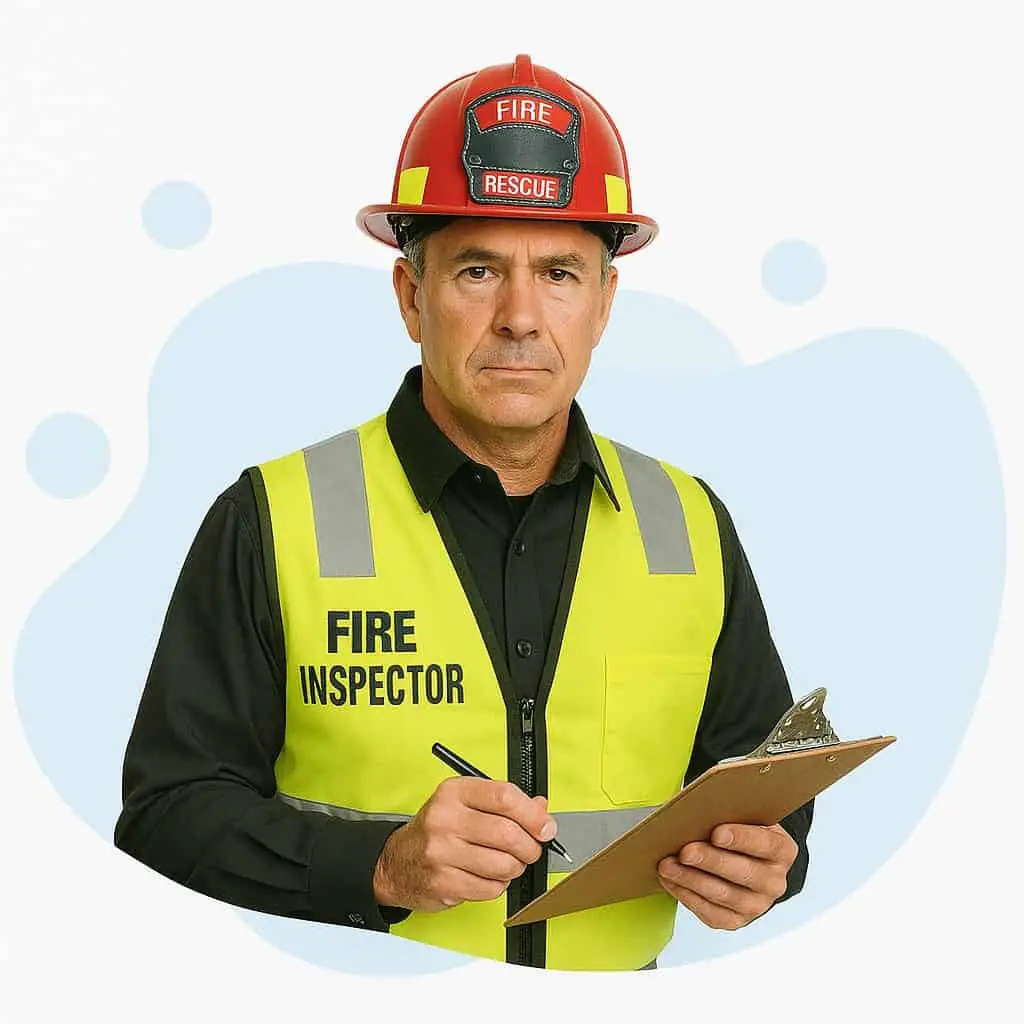
The Certified Fire Inspector (CFI) credential is a recognized certification for professionals responsible for enforcing fire safety codes and conducting inspections in residential, commercial, and industrial settings. Offered by bodies like the National Fire Protection Association (NFPA) and the International Code Council (ICC), this certification demonstrates a strong understanding of fire prevention principles, local and national fire codes, and safety procedures.
Whether you are a firefighter seeking advancement or a code enforcement official, earning your CFI credential can open doors to a safer community and a rewarding career in public safety.
Free CFI Practice Test Online
Key Takeaways
CFI certification validates expertise in fire code enforcement and inspection procedures.
Offered by reputable organizations like NFPA and ICC, each with its own focus and exam format.
Career opportunities include fire departments, code enforcement agencies, and insurance firms.
Certification demonstrates credibility, compliance knowledge, and professional advancement potential.
Preparation involves coursework, practical experience, and passing a rigorous certification exam.
What Is a Certified Fire Inspector?
A Certified Fire Inspector is trained to assess buildings and facilities for compliance with fire prevention and safety codes. They identify hazards, recommend corrective actions, and ensure that structures meet all legal fire safety requirements. Inspectors often work with fire departments, municipal governments, or private industry to maintain public safety.

Types of CFI Certifications
There are two widely recognized certifications:
NFPA Certified Fire Inspector I & II
Focuses on fire protection systems, life safety standards, and inspection techniques aligned with NFPA 1031.ICC Fire Inspector I & II
Emphasizes building code compliance, zoning laws, and administrative processes related to fire inspections based on International Fire Code (IFC) and IBC.
Who Should Pursue CFI Certification?
Firefighters and fire officers seeking promotion
Code enforcement officials
Building and safety inspectors
Safety managers in corporate or government environments
Benefits of Becoming a Certified Fire Inspector
Career Advancement: Qualifies professionals for higher-level roles in fire prevention and public safety.
Increased Credibility: Demonstrates knowledge of fire safety laws and regulations.
Community Impact: Helps reduce fire hazards and promotes safer environments.
Professional Development: Enhances skills in report writing, public education, and enforcement.
How to Become a Certified Fire Inspector
Meet Eligibility Requirements
Most programs require a combination of education and experience in fire service or code enforcement.Complete Training or Coursework
Take approved training courses through ICC, NFPA, or accredited institutions. Topics include inspection procedures, fire alarm systems, and code interpretation.Pass the Certification Exam
The exam covers various fire codes, inspection methods, and legal procedures. It may be proctored online or in-person.Maintain Certification
CFIs must typically earn continuing education units (CEUs) to stay updated on code changes and maintain active status.

Conclusion
The Certified Fire Inspector (CFI) credential serves as a benchmark for fire safety expertise. With growing emphasis on public safety and code enforcement, qualified CFIs are in high demand. Whether you’re looking to start or advance your career in fire prevention, earning this credential proves your dedication to safety, compliance, and community well-being.
If you’re ready to make a meaningful impact and elevate your professional profile, the CFI certification is a worthy investment.
FAQs
What is the difference between NFPA and ICC Certified Fire Inspectors?
NFPA focuses more on fire protection systems and technical inspection procedures, while ICC emphasizes code enforcement, building safety, and administrative practices.
How long does it take to become a Certified Fire Inspector?
The timeline varies but typically includes several months of study, training, and preparation for the certification exam.
Do I need prior experience to take the CFI exam?
Most programs require relevant experience in fire service, inspection, or code enforcement, along with formal education or training.
Is the CFI certification valid nationwide?
Yes, both NFPA and ICC certifications are widely recognized across the United States, though some states or employers may have specific requirements.
How much can a Certified Fire Inspector earn?
According to bls.gov, fire inspectors earn a median salary of around $65,000–$80,000 annually, depending on experience and location.