
CDT (Certified Dermatology Tech) Test: Study Guide Tips
Free CDT (Certified Dermatology Tech) practice test with questions and answer explanations. Prepare for the 2026 May exam with instant scoring.

CDT (Certified Dermatology Tech) Test: Study Guide Tips
The CDT (Certified Dermatology Tech) certification is a credential that signifies an individual’s expertise in assisting dermatologists with patient care, clinical procedures, and various technical aspects of dermatology. This article will explore the pathway to becoming a certified dermatology tech, including program options, salary expectations, and career prospects. Whether you're beginning a career in dermatology or looking to enhance your professional credentials, this guide will provide essential information and study tips to help you succeed.
CDT Practice Test Questions
Prepare for the CDT - Certified Dermatology Tech exam with our free practice test modules. Each quiz covers key topics to help you pass on your first try.
CDT Dermatologic Pharmacology & Medications
CDT Exam Questions covering CDT Dermatologic Pharmacology & Medications. Master CDT Test concepts for certification prep.
CDT Phototherapy & Light-Based Treatments
Free CDT Practice Test featuring CDT Phototherapy & Light-Based Treatments. Improve your CDT Exam score with mock test prep.
CDT Clinical Procedures & Patient Care
CDT Mock Exam on Clinical Procedures & Patient Care. CDT Study Guide questions to pass on your first try.
CDT Common Skin Conditions & Treatment
CDT Test Prep for Common Skin Conditions & Treatment. Practice CDT Quiz questions and boost your score.
CDT Cosmetic Dermatology Assistance
CDT Questions and Answers on Cosmetic Dermatology Assistance. Free CDT practice for exam readiness.
CDT Dermatological Assessment Methods
CDT Mock Test covering Dermatological Assessment Methods. Online CDT Test practice with instant feedback.
CDT Dermatologic Conditions & Diseases
Free CDT Quiz on Dermatologic Conditions & Diseases. CDT Exam prep questions with detailed explanations.
CDT Laboratory Procedures & Biopsies
CDT Practice Questions for Laboratory Procedures & Biopsies. Build confidence for your CDT certification exam.
CDT Patient Education & Counseling
CDT Test Online for Patient Education & Counseling. Free practice with instant results and feedback.
CDT Safety, Ethics & Infection Control
CDT Study Material on Safety, Ethics & Infection Control. Prepare effectively with real exam-style questions.
CDT Skin Anatomy & Physiology
Free CDT Test covering Skin Anatomy & Physiology. Practice and track your CDT exam readiness.
CDT Skin Cancer Screening & Education
CDT Exam Questions covering Skin Cancer Screening & Education. Master CDT Test concepts for certification prep.
Key Takeaways
- Certified Dermatology Technicians (CDTs) play a critical role in dermatology practices, assisting with patient care, procedures, and administrative tasks.
- Pursuing CDT certification can open doors to rewarding career opportunities, with competitive salary prospects in a growing field.
- This guide includes study tips, information on CDT certification programs, salary ranges, and job prospects to help you prepare for the certification exam and plan your career.
Certified Dermatology Technician (CDT): Role and Responsibilities
A CDT (Certified Dermatology Tech) assists dermatologists by performing various clinical and administrative tasks, including preparing patients for procedures, handling medical instruments, recording patient information, and ensuring that clinical environments remain sanitized. CDTs also educate patients on skincare routines and post-procedural care, supporting dermatologists in delivering comprehensive patient care.
- ✓Confirm your exam appointment and location
- ✓Bring required identification documents
- ✓Arrive 30 minutes early to check in
- ✓Read each question carefully before answering
- ✓Flag difficult questions and return to them later
- ✓Manage your time — don't spend too long on one question
- ✓Review flagged questions before submitting
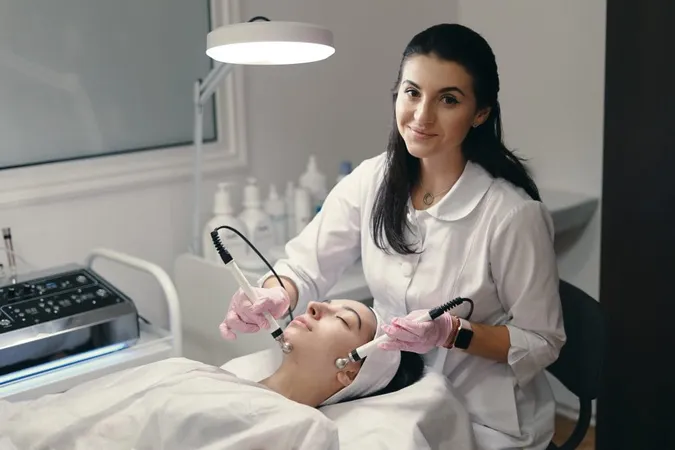
Typical Responsibilities of a CDT:
- Preparing exam rooms and sterilizing instruments
- Assisting in minor dermatological procedures
- Recording and managing patient information
- Educating patients on skincare practices and procedural aftercare
- Managing appointment scheduling and administrative duties
How to Become a Certified Dermatology Technician (CDT)
To become a CDT (Certified Dermatology Tech), you’ll need to complete a recognized training program and pass a certification exam. Many programs are available through vocational schools, community colleges, and online institutions, providing students with the necessary knowledge of dermatology and patient care.
Certified Dermatology Tech programs typically cover a wide range of topics essential for CDT certification. The curriculum includes dermatological procedures, patient management, medical terminology, and safety protocols. Some programs also incorporate hands-on training and externship opportunities to help students gain practical experience in clinical settings.
What to Expect in a CDT Program:
- Coursework on skin anatomy, dermatological diseases, and treatment options
- Training in medical recordkeeping and appointment scheduling
- Hands-on practice in patient preparation and assistance in procedures
- Externships or internships in dermatology clinics (if offered)
Study Tips for CDT Certification
- Utilize Official Study Materials: Use textbooks, study guides, and practice exams specifically designed for the CDT exam.
- Create a Study Schedule: Allocate time each day to review course materials, focusing on key topics such as anatomy, skin diseases, and treatment methods.
- Practice Clinical Scenarios: Review common dermatology procedures and practice patient interaction techniques.
- Engage in Group Study: Join study groups with fellow students or online forums for collaborative learning and support.
The dermatology tech certification exam tests a candidate’s knowledge of skin anatomy, common dermatologic conditions, procedural techniques, and patient care. The exam typically includes multiple-choice questions that assess both theoretical understanding and practical application of skills.
Exam Preparation Tips:
- Focus on understanding the structure of the skin, types of skin conditions, and treatment methodologies.
- Review safety and sanitation protocols, as these are critical in dermatological practices.
- Take practice exams to familiarize yourself with the format and question style.
- Brush up on medical terminology to ensure you understand the language used in dermatology.
Certified Dermatology Tech Salary and Career Outlook
The demand for dermatology technicians is expected to grow as the general population becomes more health-conscious and interested in skincare. Salaries for CDTs vary based on location, level of experience, and work setting.
Salary Range for Certified Dermatology Technicians:
- Entry-Level: $30,000 - $40,000 per year
- Mid-Career: $40,000 - $50,000 per year
- Experienced: $50,000 - $60,000 per year
Factors that impact CDT salaries include geographic region, workplace setting, and additional certifications. For example, technicians working in major metropolitan areas or specialized dermatology clinics may earn higher wages.
Job Opportunities for Dermatology Technicians:
- Dermatology Clinics: Working alongside dermatologists to provide patient care.
- Hospitals and Medical Centers: Supporting dermatology departments in larger healthcare facilities.
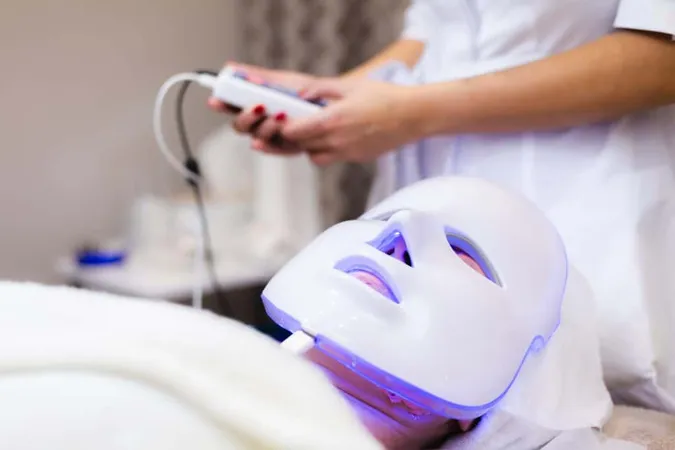
- Medical Spas and Cosmetic Clinics: Assisting in aesthetic treatments and skincare services.
Benefits of Becoming a Certified Dermatology Technician
Obtaining CDT (Certified Dermatology Tech) certification offers several professional advantages, including:
- Career Advancement: Certification validates your skills, which can lead to higher-paying positions and job stability.
- Professional Recognition: CDT certification enhances your credibility and trustworthiness among employers and patients.
- Specialized Knowledge: Training in dermatology equips you with specific skills that are highly valued in the healthcare industry.
Conclusion
The CDT (Certified Dermatology Tech) certification is a valuable credential for those interested in a rewarding career in dermatology. By completing a CDT program and passing the certification exam, you can gain specialized knowledge, practical skills, and enhanced career prospects in a field with growing demand. From studying anatomy to practicing procedural assistance, preparation is key to success. For those committed to patient care and interested in dermatology, becoming a CDT offers a promising career path with opportunities for growth and professional developmen
CDT: Pros and Cons
- +CDT certification validates expertise recognized by employers nationwide
- +Certified professionals typically earn 15-20% higher salaries
- +Opens doors to advanced positions and leadership roles
- +Demonstrates commitment to professional standards and ethics
- +Builds a strong professional network through certification communities
- −Exam preparation typically requires 2-4 months of dedicated study
- −Certification and exam fees can range from $150-$500+
- −Must complete continuing education to maintain active certification
- −Pass rates vary — thorough preparation is essential for success
- −Some certifications require prerequisite experience or education
CDT Questions and Answers
About the Author
Certified Professional Development Expert & Niche Certification Advisor
University of Pennsylvania Graduate School of EducationDr. Alexandra Kim holds a PhD in Professional Studies from the University of Pennsylvania and is a Certified Professional in Learning and Performance (CPLP) and Certified Professional in Talent Development (CPTD). With 17 years of corporate training and professional certification advisory experience, she helps professionals navigate specialized, emerging, and cross-industry certification programs.