
Prep Guide: (CCP) Certified Clinical Perfusionist Test
Pass the Prep Guide: (CCP) Certified Clinical exam with confidence. Practice questions with detailed explanations and instant feedback on every answer.

The (CCP) Certified Clinical Perfusionist Test is a critical step for aspiring perfusionists, validating their expertise in managing cardiopulmonary bypass and other life-supporting equipment. This guide outlines essential test information, career prospects, and key areas to focus on to become a certified clinical perfusionist.
Students preparing for standardized academic tests can practice with our CPB bookkeeper certification exam 2026, covering the quantitative reasoning and analytical sections tested on exam day.
CCP Practice Test Questions
Prepare for the CCP - Certified Clinical Perfusionist exam with our free practice test modules. Each quiz covers key topics to help you pass on your first try.
CCP Anticoagulation & Heparin Management
CCP Exam Questions covering Anticoagulation & Heparin Management. Master CCP Test concepts for certification prep.
CCP Blood Gas & Acid-Base Interpretation
Free CCP Practice Test featuring Blood Gas & Acid-Base Interpretation. Improve your CCP Exam score with mock test prep.
CCP Cardioplegia Delivery Methods
CCP Mock Exam on Cardioplegia Delivery Methods. CCP Study Guide questions to pass on your first try.
CCP Cardiopulmonary Physiology & Pathophys...
CCP Test Prep for Cardiopulmonary Physiology & Pathophysiology. Practice CCP Quiz questions and boost your score.
CCP Blood Conservation & Transfusion Strat...
CCP Questions and Answers on CCP Blood Conservation & Transfusion Strategies. Free CCP practice for exam readiness.
CCP Temperature Management & Hypothermia
CCP Mock Test covering CCP Temperature Management & Hypothermia. Online CCP Test practice with instant feedback.
CCP CPB Circuit Assembly & Priming
Free CCP Quiz on CPB Circuit Assembly & Priming. CCP Exam prep questions with detailed explanations.
CCP Hemodynamic Monitoring During Bypass
CCP Practice Questions for Hemodynamic Monitoring During Bypass. Build confidence for your CCP certification exam.
CCP Intraoperative Procedures & Patient Mo...
CCP Test Online for Intraoperative Procedures & Patient Monitoring. Free practice with instant results and feedback.
CCP Neonatal & Pediatric Perfusion
CCP Study Material on Neonatal & Pediatric Perfusion. Prepare effectively with real exam-style questions.
CCP Oxygenator & Pump Maintenance
Free CCP Test covering Oxygenator & Pump Maintenance. Practice and track your CCP exam readiness.
CCP Perfusion Equipment & Technology Opera...
CCP Exam Questions covering Perfusion Equipment & Technology Operation. Master CCP Test concepts for certification prep.
Key Takeaways
Free CCP Practice Test Online
- Expertise in Life-Support Equipment: The CCP certification validates skills in handling critical equipment such as heart-lung machines, essential during surgery.
- High-Demand Career: Certified clinical perfusionists are in demand across hospitals, surgical centers, and research institutions.
- Competitive Salary: The specialized nature of perfusion offers a solid salary range and opportunities for career growth.
Certified Clinical Perfusionist: An Overview
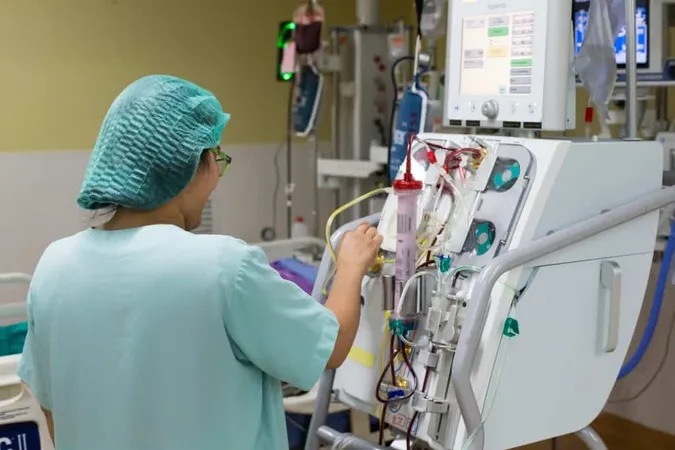
A Certified Clinical Perfusionist (CCP) plays a vital role in operating heart-lung machines and other life-support systems during surgeries. CCP certification, administered by the American Board of Cardiovascular Perfusion (ABCP), is a gold standard in perfusion technology, confirming that professionals meet rigorous industry standards.
Core Competencies Required for a CCP:
- Understanding of Cardiopulmonary Systems: In-depth knowledge of human cardiopulmonary anatomy and physiology.
- Machine Operation Proficiency: Skill in managing advanced life-support equipment, including heart-lung bypass and ECMO (Extracorporeal Membrane Oxygenation).
- Patient Monitoring: Ability to monitor and interpret vital patient data during surgery, adjusting equipment as necessary.
- Ethics and Professionalism: Upholding the highest standards of patient care and safety during high-stakes procedures.
Becoming a certified clinical perfusionist signifies that a professional has acquired specialized skills and is committed to ensuring patient safety during complex surgical procedures.
CCP Key Concepts
What is the passing score for the CCP exam?
Most CCP exams require 70-75% to pass. Check the official exam guide for exact requirements.
How long is the CCP exam?
The CCP exam typically allows 2-3 hours. Time management is critical for success.
How should I prepare for the CCP exam?
Start with a diagnostic test, create a 4-8 week study plan, and take at least 3 full practice exams.
What topics does the CCP exam cover?
The CCP exam covers multiple domains. Review the official content outline for the complete list.

Certified Clinical Perfusionist Jobs: Career Opportunities
Certified clinical perfusionists enjoy a variety of career opportunities, primarily within hospital settings and surgical centers, as well as in research institutions, where their expertise is invaluable.
Key Employment Settings for Perfusionists:
- Hospitals and Medical Centers: Most CCPs work directly with surgical teams, ensuring critical support during cardiac and trauma surgeries.
- Academic and Research Institutions: Some certified perfusionists transition to teaching or research roles, contributing to advancements in cardiovascular treatment and life-support technology.
- Travel and Contract Positions: As demand for CCPs grows, so do opportunities in travel perfusion, where certified professionals fill temporary or locum tenens positions across various locations.
Certified perfusionists can expect steady demand for their skills, especially as cardiovascular treatments become increasingly advanced and complex.
Clinical Perfusionist: A Day in the Life
Clinical perfusionists are integral members of surgical teams, responsible for the critical task of maintaining patients' circulatory and respiratory functions during surgeries. Working in fast-paced environments, these professionals prepare equipment, monitor vital signs, and adjust machinery settings based on the patient’s real-time condition.
Daily Responsibilities of a Clinical Perfusionist:
- Pre-Surgery Preparation: Ensuring all equipment is calibrated and functioning, reviewing patient details and the specific requirements of the upcoming procedure.
- Intraoperative Monitoring: During surgery, clinical perfusionists operate and manage equipment, track vital signs, and make necessary adjustments to maintain patient stability.
- Post-Operative Equipment Management: After surgery, clinical perfusionists clean, maintain, and inspect machinery, ensuring it is ready for future use.
The ability to think quickly and work precisely under pressure is essential for any clinical perfusionist, as their role is critical to successful outcomes in surgical procedures.
Clinical Perfusionist Salary: What to Expect
The salary for certified clinical perfusionists is generally competitive due to the specialized nature of their work. Earnings vary based on experience, location, and employer type, but overall, the field offers solid financial rewards.
Factors Affecting Perfusionist Salary:
- Experience and Certifications: CCPs with advanced certifications or several years of experience often earn higher salaries.
- Geographic Location: Perfusionists working in high-demand urban hospitals or regions with limited healthcare professionals may receive higher compensation.
- Type of Employment: Those in private hospitals, contract positions, or specialized cardiac centers may see salary variations compared to those in smaller or public health institutions.
On average, certified clinical perfusionists earn between $90,000 to $140,000 annually, with the potential for growth based on skills and experience level.
Certified Clinical Perfusionist Programs: Education and Training
Becoming a CCP requires completion of an accredited perfusion training program, which includes classroom instruction, laboratory practice, and clinical experience. Most programs take 1-2 years to complete and cover extensive material on cardiovascular anatomy, pharmacology, and perfusion technology.
Steps in CCP Certification Training:
- Accredited Program Enrollment: Attend a Commission on Accreditation of Allied Health Education Programs (CAAHEP)-accredited perfusion training program.
- Clinical Experience: Hands-on experience in operating perfusion equipment and managing real-world patient cases.
- Pass the Certification Exam: Successfully complete the CCP exam, administered by the American Board of Cardiovascular Perfusion (ABCP).
Educational programs for perfusionists provide a solid foundation for handling complex, life-sustaining equipment and understanding the intricacies of cardiopulmonary care.

Conclusion
Preparing for the Certified Clinical Perfusionist (CCP) Test is a critical step in a perfusionist's career. By becoming certified, professionals demonstrate their expertise in operating life-support systems, managing patient care during surgery, and maintaining the highest standards in the field. With a structured training program and thorough preparation, candidates can earn the CCP designation, paving the way for a rewarding career in healthcare.
CCP: Pros and Cons
- +CCP certification validates expertise recognized by employers nationwide
- +Certified professionals typically earn 15-20% higher salaries
- +Opens doors to advanced positions and leadership roles
- +Demonstrates commitment to professional standards and ethics
- +Builds a strong professional network through certification communities
- −Exam preparation typically requires 2-4 months of dedicated study
- −Certification and exam fees can range from $150-$500+
- −Must complete continuing education to maintain active certification
- −Pass rates vary — thorough preparation is essential for success
- −Some certifications require prerequisite experience or education
(CCP) Certified Clinical Perfusionist Questions and Answers
About the Author
Certified Professional Development Expert & Niche Certification Advisor
University of Pennsylvania Graduate School of EducationDr. Alexandra Kim holds a PhD in Professional Studies from the University of Pennsylvania and is a Certified Professional in Learning and Performance (CPLP) and Certified Professional in Talent Development (CPTD). With 17 years of corporate training and professional certification advisory experience, she helps professionals navigate specialized, emerging, and cross-industry certification programs.