

CAD Practice Test
Updated for October 2026The CAD (Certified Antenna Designer) Test is key for those in antenna design, RF engineering, and wireless communications. It checks if you know a lot about antenna theory, simulations, measurements, and how well antennas perform. Getting this certification shows you really get how signals work, how to make antennas better, and how to design systems for wireless use.
Candidates preparing for cswa will find our CSWA SolidWorks certification 2026 essential for mastering the exam content, format, and scoring criteria.
CAD Practice Test Questions
Prepare for the CAD - Certified Antenna Designer exam with our free practice test modules. Each quiz covers key topics to help you pass on your first try.
CAD Antenna Designer Advanced Antenna Conc...
CAD Exam Questions covering Antenna Designer Advanced Antenna Concepts. Master CAD Test concepts for certification prep.
CAD Antenna Designer Design and Simulation
Free CAD Practice Test featuring Antenna Designer Design and Simulation. Improve your CAD Exam score with mock test prep.
CAD Antenna Designer Fundamentals
CAD Mock Exam on Antenna Designer Fundamentals. CAD Study Guide questions to pass on your first try.
CAD Antenna Designer Measurement Techniques
CAD Test Prep for Antenna Designer Measurement Techniques. Practice CAD Quiz questions and boost your score.
CAD Antenna Designer Feed Networks and Imp...
CAD Questions and Answers on CAD Antenna Designer Feed Networks and Impedance Matching. Free CAD practice for exam readiness.
Key Takeaways
Free Antenna Designer Practice Test Online
- The CAD Test is a well-known certification for those in antenna design, RF engineering, and wireless communications.
- The test covers many topics, like antenna theory, simulations, measurements, and how well antennas work.
- Passing the CAD Test shows you’re good at understanding signal flow, improving antennas, and designing wireless systems.
- Getting the CAD certification can really help your career and make you more known in the field.
- It’s very important to prepare well and know what the test is about to do well in the CAD assessment.
Exploring the CAD (Certified Antenna Designer) Test
The CAD (Certified Antenna Designer) Test is a top-notch certification for antenna design experts. It’s key in RF engineering and wireless communications. It shows a person knows a lot about antenna theory, electromagnetic simulations, antenna measurements, and antenna performance evaluations.
- ✓Confirm your exam appointment and location
- ✓Bring required identification documents
- ✓Arrive 30 minutes early to check in
- ✓Read each question carefully before answering
- ✓Flag difficult questions and return to them later
- ✓Manage your time — don't spend too long on one question
- ✓Review flagged questions before submitting
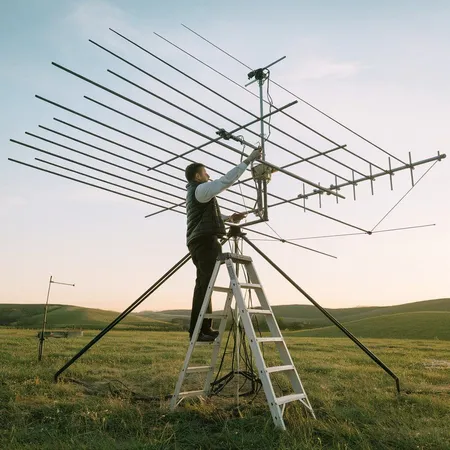
Purpose and Significance
The CAD test checks if someone knows their stuff in antenna design, development, and improvement. Getting certified proves you’re good at:
- Antenna theory and principles
- Electromagnetic simulations and modeling
- Antenna measurements and performance analysis
- Troubleshooting and optimizing antenna systems
Employers in wireless communications, satellite communications, and radar systems really value this certification. It shows you’re skilled and can solve problems.
Eligibility Requirements
To take the CAD (Certified Antenna Designer) Test, you need to:
- Have a bachelor’s degree in electrical engineering, physics, or a related field.
- Show 3-5 years of experience in antenna design, RF engineering, or wireless communications.
- Know a lot about antenna theory, electromagnetic simulations, and antenna measurement techniques.
- Be good with industry-standard software and tools for antenna design and analysis.
Passing the CAD test proves you’re a tech whiz. It also opens up many career paths in wireless communications.
Key Topics and Concepts Covered
The CAD (Certified Antenna Designer) Test covers a wide range of topics. It’s key for those who want to be good at antenna design and wireless systems. You need to know a lot about:
- Signal Propagation Tests: You’ll be tested on how signals travel, including loss, fading, and interference. This is important for making antennas work well in different places.
- Antenna Optimization Techniques: The test checks if you can use advanced methods to make antennas better. This includes tweaking parameters and using simulations and measurements to get the best results.
- Electromagnetic Theory Assessment: Knowing a lot about electromagnetic theory is a must. This includes Maxwell’s equations, matching impedances, and understanding transmission lines. It’s all about designing effective antennas.
- Antenna Modeling and Simulation: You need to be good at using software like HFSS, CST, or FEKO. These tools help predict and improve how antennas work.
- Antenna Measurement and Evaluation: The test also looks at how to measure antennas. This includes near-field and far-field tests. You’ll learn to understand radiation patterns, gain, and other important metrics.
Knowing these topics well is key for getting the CAD (Certified Antenna Designer) certification. This certification is very important in the RF engineering and wireless communication fields.
| Key Topic | Focus Area |
|---|---|
| Signal Propagation Tests | Path loss, fading, interference |
| Antenna Optimization Techniques | Parameter tuning, simulation-driven design, measurement-based refinement |
| Electromagnetic Theory Assessment | Maxwell’s equations, impedance matching, transmission line concepts |
| Antenna Modeling and Simulation | HFSS, CST, FEKO |
| Antenna Measurement and Evaluation | Near-field and far-field testing, radiation patterns, gain |
CAD: Pros and Cons
- +CAD certification validates expertise recognized by employers nationwide
- +Certified professionals typically earn 15-20% higher salaries
- +Opens doors to advanced positions and leadership roles
- +Demonstrates commitment to professional standards and ethics
- +Builds a strong professional network through certification communities
- −Exam preparation typically requires 2-4 months of dedicated study
- −Certification and exam fees can range from $150-$500+
- −Must complete continuing education to maintain active certification
- −Pass rates vary — thorough preparation is essential for success
- −Some certifications require prerequisite experience or education
Sample Certified Antenna Designer Practice Questions
Try these questions from our free Certified Antenna Designer practice tests. The correct answer and an explanation follow each question.
Which scenario would require a antenna designer professional to escalate a antenna designer advanced antenna concepts concern?
- A. Using feedback solely for personnel evaluations
- B. Collecting feedback only during formal review periods
- C. Discouraging critical feedback to maintain team morale
- D. Creating feedback mechanisms that encourage continuous improvement
Answer: D. Creating feedback mechanisms that encourage continuous improvement
Creating feedback mechanisms that encourage continuous improvement is the correct approach because effective antenna designer advanced antenna concepts in the antenna designer field requires adherence to professional standards, evidence-based practices, and systematic methodology. This approach ensures consistent, high-quality outcomes while maintaining professional accountability.
Which scenario would require a antenna designer professional to escalate a antenna designer design and simulation concern?
- A. Using feedback solely for personnel evaluations
- B. Collecting feedback only during formal review periods
- C. Discouraging critical feedback to maintain team morale
- D. Creating feedback mechanisms that encourage continuous improvement
Answer: D. Creating feedback mechanisms that encourage continuous improvement
Creating feedback mechanisms that encourage continuous improvement is the correct approach because effective antenna designer design and simulation in the antenna designer field requires adherence to professional standards, evidence-based practices, and systematic methodology. This approach ensures consistent, high-quality outcomes while maintaining professional accountability.
What is the most common mistake professionals make when implementing antenna designer advanced antenna concepts strategies?
- A. Transferring all risk to external partners through contracts
- B. Responding to problems only after they occur
- C. Creating contingency plans for every possible scenario regardless of probability
- D. Developing contingency plans for high-probability risk scenarios
Answer: D. Developing contingency plans for high-probability risk scenarios
Developing contingency plans for high-probability risk scenarios is the correct approach because effective antenna designer advanced antenna concepts in the antenna designer field requires adherence to professional standards, evidence-based practices, and systematic methodology. This approach ensures consistent, high-quality outcomes while maintaining professional accountability.
What is the recommended frequency for reviewing and updating antenna designer advanced antenna concepts protocols?
- A. Monitoring outcomes through regular data collection and trend analysis
- B. Reviewing results only at year-end
- C. Relying on periodic external audits as the sole evaluation method
- D. Tracking activity volume without measuring quality
Answer: A. Monitoring outcomes through regular data collection and trend analysis
Monitoring outcomes through regular data collection and trend analysis is the correct approach because effective antenna designer advanced antenna concepts in the antenna designer field requires adherence to professional standards, evidence-based practices, and systematic methodology. This approach ensures consistent, high-quality outcomes while maintaining professional accountability.
(CAD) Certified Antenna Designer Questions and Answers
About the Author

Certified Professional Development Expert & Niche Certification Advisor
University of Pennsylvania Graduate School of EducationDr. Alexandra Kim holds a PhD in Professional Studies from the University of Pennsylvania and is a Certified Professional in Learning and Performance (CPLP) and Certified Professional in Talent Development (CPTD). With 17 years of corporate training and professional certification advisory experience, she helps professionals navigate specialized, emerging, and cross-industry certification programs.
Join the Discussion
Connect with other students preparing for this exam. Share tips, ask questions, and get advice from people who have been there.
View discussion (9 replies)