
CEPS (Event Planning Specialist Certification) Test Guide 2026 September
📚 Get ready for your CEPS (Event Planning Specialist certification. Practice questions with step-by-step answer explanations and instant scoring.
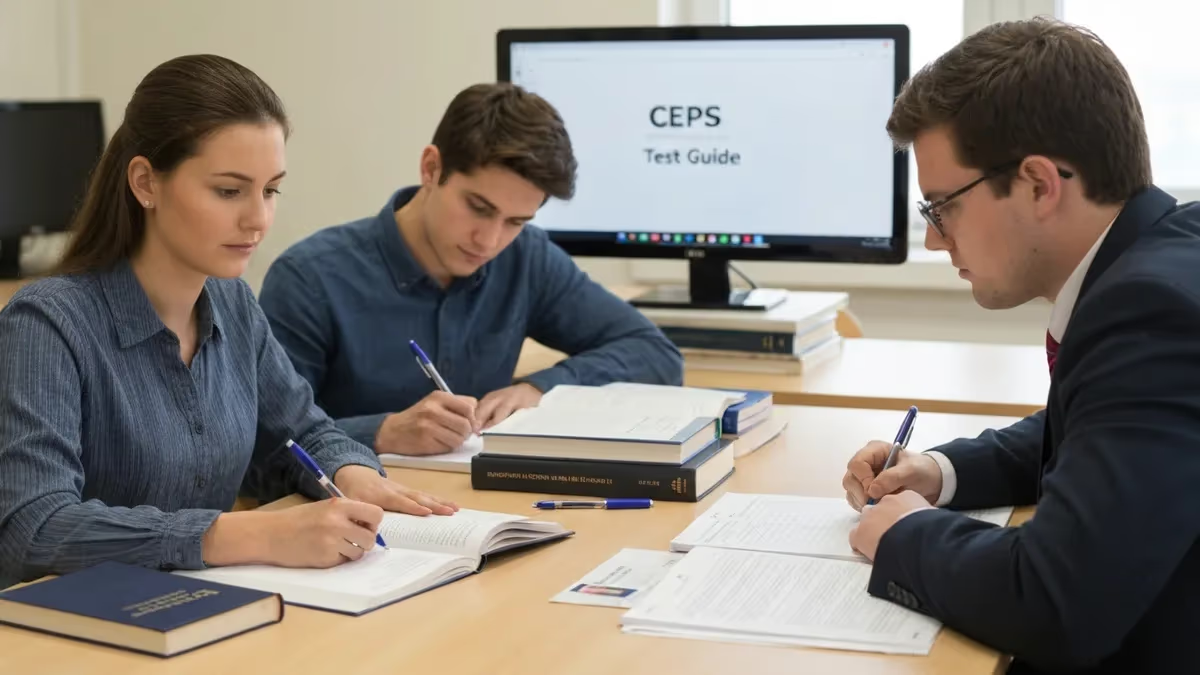
Event planning has become a dynamic career field that requires creativity, excellent organization, and strong communication skills. For those who want to build a professional career in this field, earning the CEPS (Event Planning Specialist Certification) can provide the expertise and validation needed to stand out. This certification helps individuals develop the knowledge and skills necessary to manage events of all types, from corporate meetings to weddings and large-scale festivals. In this guide, we'll explore what CEPS entails, career prospects, and the path to certification.

Key Takeaways
Event planning is a fast-paced and creative profession, offering opportunities to work in various industries, including corporate, social, and public events.
The Certified Event Planning Specialist (CEPS) certification can boost your career by providing specialized knowledge and validating your skills.
Event planners' salaries vary depending on experience, location, and event specialization. Certified professionals typically earn more than their non-certified counterparts.
There are plenty of event planning jobs available, especially in major cities with a thriving event industry.
Becoming an event planner requires a combination of education, experience, and certification, with networking and portfolio development being key steps to success.
What is Event Planning?
Event planning involves organizing and managing various aspects of an event, ensuring that it runs smoothly and meets the expectations of clients or attendees. Event planners work behind the scenes, coordinating everything from venue selection and catering to scheduling, budgeting, and event marketing. Event planning covers a wide range of events, including:
- Corporate events: Conferences, product launches, and networking sessions.
- Social events: Weddings, birthdays, and anniversaries.
- Public events: Music festivals, charity galas, and community events.
General Study Tips
What's the best study strategy for General?
Focus on weak areas first. Use practice tests to identify gaps, then study those topics intensively.
How far in advance should I start studying?
Most successful candidates begin 4-8 weeks before the exam. Create a structured study schedule.
Should I retake practice tests?
Yes! Take each practice test 2-3 times. Focus on understanding why answers are correct, not memorizing.
What should I do on exam day?
Arrive 30 min early, bring required ID, read questions carefully, flag difficult ones, and review before submitting.
Event Planning Specialist Salary
A career as an event planning specialist can be both rewarding and lucrative, depending on experience, certification, and location. The salary of an event planner varies widely across industries and geographical locations.
Key factors that impact salary include:
- Experience level: As with most professions, experienced planners tend to earn more. Entry-level event planners can expect lower salaries, but certification like CEPS can boost earning potential.
- Industry specialization: Planners focusing on high-profile events, corporate functions, or destination weddings often command higher fees.
- Location: Event planners in major cities or event-centric locations such as New York, Los Angeles, or Las Vegas tend to have higher salary opportunities compared to smaller markets.
Event Planning Jobs Near Me
As the demand for professional event planners continues to grow, job opportunities are expanding across a variety of sectors. Whether you're interested in corporate event management or social event planning, finding event planning jobs near you is easier than ever. Common job titles in the industry include:
- Event coordinator
- Event planning assistant
- Wedding planner
- Corporate meeting planner
- Event marketing specialist
To find event planning jobs near you, you can search popular job boards such as Indeed, LinkedIn, and Glassdoor. Networking within industry groups or attending local event planning meetups can also lead to job opportunities. Some cities have a higher demand for event planners, particularly those with thriving event industries, tourism sectors, or corporate hubs. Major event planning hubs in the United States include:
- New York, NY
- Los Angeles, CA
- Las Vegas, NV
- Miami, FL
- Chicago, IL
How to Become an Event Planner
Becoming an event planner requires a blend of education, hands-on experience, and certification. While some individuals enter the field with a degree in hospitality management, marketing, or communications, others build their careers through practical experience and professional development courses. Follow these steps to become an event planner:
Education: While a formal degree isn't always required, many event planners benefit from earning a bachelor's degree in hospitality, public relations, business, or related fields.
Gaining experience: Many aspiring event planners start by working in entry-level roles such as an event assistant or coordinator. Volunteering for events or internships can also provide valuable hands-on experience.
Get certified: Earning a certification, like the CEPS (Certified Event Planning Specialist), gives you credibility and demonstrates a commitment to the profession. Certification programs cover topics like event logistics, budgeting, vendor management, and client communication.
Build a portfolio: Keep a portfolio of the events you’ve planned, including photos, budgets, and client testimonials. A strong portfolio showcases your ability to manage all aspects of event planning and can help you land more significant clients or higher-paying jobs.
Network: Networking is crucial in the event planning industry. Attend conferences, join industry associations, and engage with event planning communities to stay updated on trends and make connections that can lead to job opportunities.
What Do Event Planners Do?
Event planners are responsible for managing the various logistical elements of an event, ensuring everything goes as planned. They handle several tasks, including:
- Venue selection: Finding and securing the perfect location for an event.
- Budget management: Ensuring the event stays within the client’s budget while delivering quality services.
- Vendor coordination: Managing relationships with caterers, decorators, photographers, and other vendors to ensure timely service delivery.
- Event promotion: For public events, planners often oversee marketing strategies to attract attendees.
- Day-of coordination: Handling event setup, scheduling, and troubleshooting any last-minute issues.
Conclusion
The field of event planning is continually growing, offering exciting opportunities for creative and organized professionals. Earning your CEPS (Event Planning Specialist Certification) certification can help you stand out in this competitive market. Whether you’re aiming to work with corporate clients or organize large-scale social events, having the right education and certification ensures that you can handle the many logistical aspects of event planning with confidence.
If you’re passionate about turning ideas into memorable events and thrive in a fast-paced environment, a career in event planning could be the perfect fit for you. By pursuing CEPS certification and continuously expanding your skill set, you’ll be well-equipped to navigate the complexities of this rewarding profession.
- +Validates your knowledge and skills objectively
- +Increases job market competitiveness
- +Provides structured learning goals
- +Networking opportunities with other certified professionals
- −Study materials can be expensive
- −Exam anxiety can affect performance
- −Requires dedicated preparation time
- −Retake fees apply if you don't pass
General Questions and Answers
About the Author
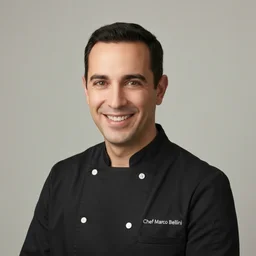
Executive Chef & Culinary Arts Certification Educator
Culinary Institute of AmericaChef Marco Bellini is a Certified Executive Chef and graduate of the Culinary Institute of America with over 20 years of professional kitchen experience in Michelin-recognized restaurants. He teaches culinary arts certification, food safety, and hospitality exam preparation, having guided thousands of culinary students through their ServSafe, ProStart, and professional chef certifications.
Join the Discussion
Connect with other students preparing for this exam. Share tips, ask questions, and get advice from people who have been there.
View discussion (5 replies)