
Boat Size License Requirements: Do You Need a License to Drive a Boat?
Do you need a license to drive a boat? Learn boat size license requirements for Florida, California, Tennessee & more. ✅ State-by-state guide.
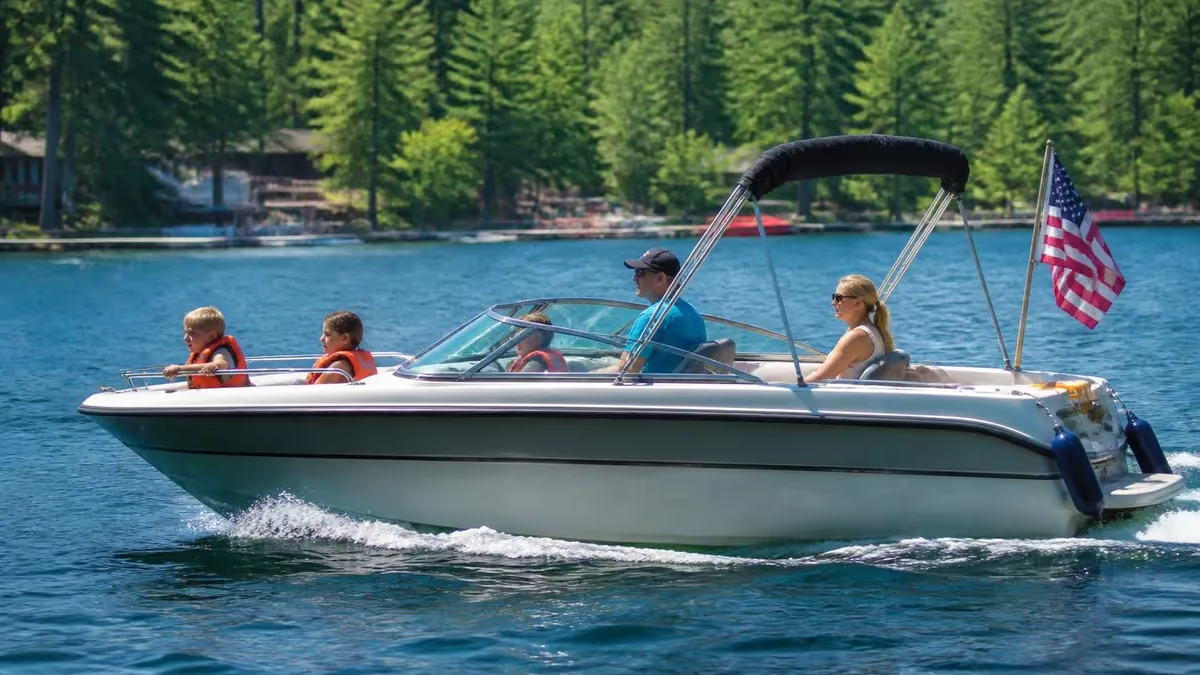
Understanding boat size license requirements is essential for anyone planning to operate a vessel on U.S. waterways. The question "do you need a license to drive a boat" does not have a single universal answer — it depends on the state you are boating in, the size of the vessel, its horsepower rating, and the age of the operator. Most states do not require a traditional operator's license the way they require a driver's license, but they do mandate a boating education certificate for motorized vessels above certain thresholds.
The florida boating license rules are among the most widely searched in the country, and for good reason — Florida has more registered boats than almost any other state. Florida law requires anyone born on or after January 1, 1988 to carry a Boating Safety Education Identification Card when operating a vessel powered by 10 horsepower or more. This applies regardless of the boat's size or length, making horsepower a more critical trigger than overall vessel dimensions in that state.
California boating license requirements operate differently. California mandates a California Boater Card for operators of motorized vessels, with a phased rollout based on birth year that will cover all operators by 2025. The state does not set a horsepower minimum in the same way Florida does, but the vessel must be motorized. Sailboats and human-powered craft are generally exempt unless they carry an auxiliary motor.
In Tennessee, the rules tie more closely to age than to boat size. You may do you need license to operate a boat research specifically for Tennessee and find that operators born after January 1, 1989 must pass a boating safety course before operating any motorized vessel. Tennessee does not exempt operators based on vessel length, which means even a small jon boat with a trolling motor can trigger the education requirement for younger operators.
Alabama boating license requirements are relatively straightforward compared to some neighboring states. Alabama requires anyone born on or after August 1, 1989 to complete an approved boating safety course and carry proof of completion when operating any motorized vessel. The state focuses on operator age rather than setting minimum horsepower or length thresholds, which simplifies the compliance picture for most boaters.
The ohio boating license framework follows a similar age-based approach. Ohio requires operators born on or after January 1, 1982 to complete an approved course before operating a powerboat of ten horsepower or more. Minnesota — where the mn boat license is a common search — requires anyone born after December 31, 1986 to complete a safety course before operating a motorized boat without direct supervision from a qualified adult.
Across all fifty states, the pattern is clear: the education certificate requirement is almost always triggered by motorization and the age of the operator, not by the raw physical size of the boat. However, size does matter in specific contexts — vessels over a certain length may require Coast Guard documentation rather than state registration, and commercial or charter vessels follow entirely different federal licensing rules regardless of state law.
Boating License Requirements by the Numbers
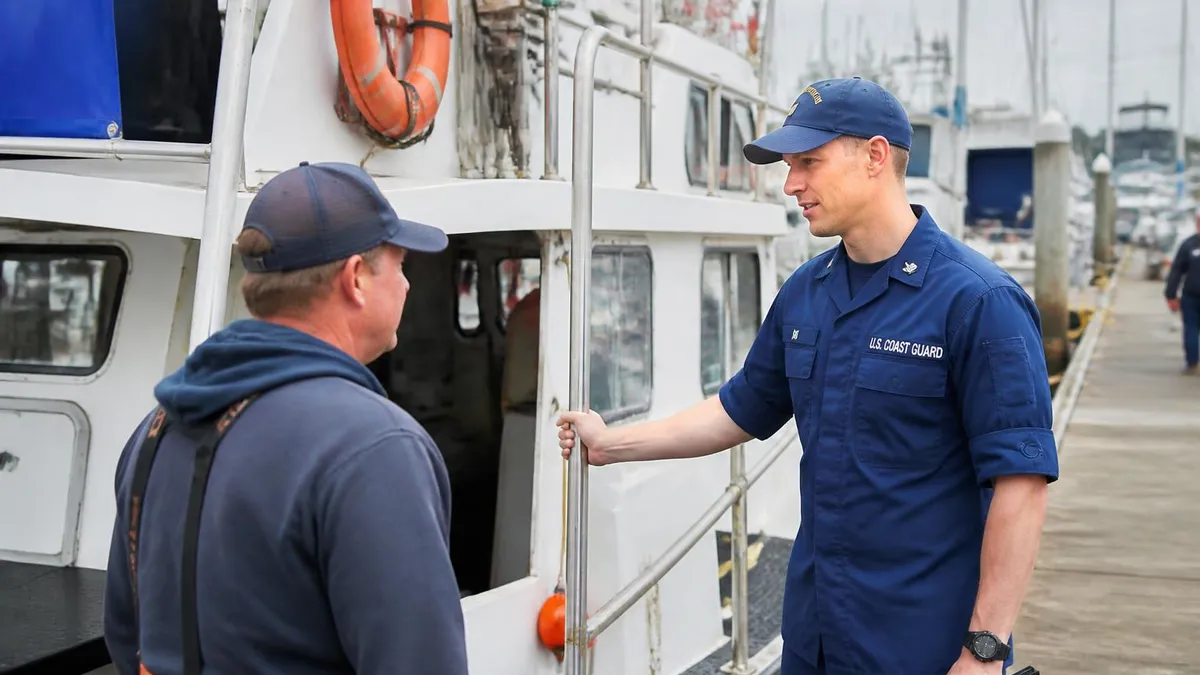
How States Define Boating License Requirements
Most states set a birth-year cutoff. Operators born after a specific date must complete an approved boating safety course and carry proof of certification whenever they operate a motorized vessel, regardless of the boat's physical size or horsepower rating.
Several states — including Florida and Ohio — trigger the education requirement based on engine horsepower rather than vessel length. Operating a boat with 10 HP or more without a valid safety certificate can result in fines and citations from marine patrol officers.
Human-powered vessels like kayaks, canoes, and paddleboards are exempt in virtually every state. Sailboats without auxiliary motors are also typically exempt. Personal watercraft (jet skis) often carry stricter age minimums than standard motorboats in the same state.
Boats over 26 feet used in commerce or traveling interstate waters may require U.S. Coast Guard documentation in addition to state registration. This federal layer applies on top of — not instead of — any state boating education certificate requirements.
Anyone operating a vessel for hire carrying passengers must hold a USCG Merchant Mariner Credential (the "captain's license"). This federal requirement applies regardless of the operator's age or state of residence and is separate from recreational boating certificates.
Boat size affects licensing in ways that surprise many first-time boaters. While most state education requirements are triggered by engine type and operator age rather than raw vessel dimensions, size becomes a decisive factor once a boat crosses into federally regulated territory. Any vessel over 26 feet in length that is used in commerce, travels between states on navigable waters, or is used as collateral for a marine mortgage is subject to U.S. Coast Guard documentation requirements, which exist alongside — not in place of — state-level education certificates.
For purely recreational use, vessel length rarely appears as the sole trigger in state statutes. Instead, states rely on whether the craft is motorized, how powerful the engine is, and how old the operator is. This means a 14-foot aluminum boat with a 15-horsepower outboard can trigger the same education requirement as a 28-foot cabin cruiser in states like Florida and Ohio. The practical implication is that small-boat owners should not assume they are exempt simply because their vessel seems modest.
Personal watercraft — jet skis, Sea-Doos, and WaveRunners — occupy a distinct legal category in many states. Even though they are relatively compact, they often carry stricter age minimums than conventional motorboats. In Florida, for instance, no one under 14 may operate a PWC at all, and those between 14 and 17 must complete a boating safety course first. California has a similar age-14 minimum for PWC operation. These size-independent rules reflect the higher accident rate associated with personal watercraft compared to other recreational vessels.
Sailboats present another nuance. A 40-foot sailing vessel without an auxiliary engine is typically exempt from education certificate requirements in most states, even though it dwarfs many motorized boats that do trigger those rules. Add a small outboard or inboard auxiliary motor to that sailboat, however, and it immediately becomes a "motorized vessel" subject to the same rules as a powerboat. Many sailors are unaware of this distinction until they face a citation on the water.
The nys boating license framework illustrates another size-adjacent rule: New York requires operators of vessels with more than 10 horsepower to complete a safety course if they were born on or after May 1, 1996. However, New York also has specific rules about who may operate vessels at night, in restricted channels, or while towing water-skiers — rules that apply regardless of vessel size and that carry their own penalties if violated.
At the federal level, vessels 16 feet and longer — excluding canoes and kayaks — must be registered with their state and display valid registration numbers on both sides of the bow. This registration requirement is separate from the operator education certificate and applies even if the vessel is not motorized (a 17-foot canoe-like vessel would need registration in most states). Understanding the difference between vessel registration and operator certification is one of the most commonly confused points among new boaters.
When you cross state lines on the water, the rules of the state you are currently boating in apply — not your home state. So a Minnesota boater holding a mn boat license certificate who travels into Wisconsin must comply with Wisconsin's requirements. Most state certificates are broadly recognized across state lines through reciprocity agreements, but it is always worth checking the specific rules of any state you plan to visit before you launch, especially if you are traveling to states with stricter horsepower or age thresholds.
Florida, California & Tennessee Boating License Rules Explained
The florida boating license — formally called the Boating Safety Education Identification Card — is required for anyone born on or after January 1, 1988 who operates a vessel powered by 10 horsepower or more. Florida law does not set a minimum vessel length as the trigger, making the horsepower rating the single most important factor. Violating this rule carries fines starting at $50 for a first offense and can escalate with repeat citations from Florida Fish and Wildlife Conservation Commission officers.
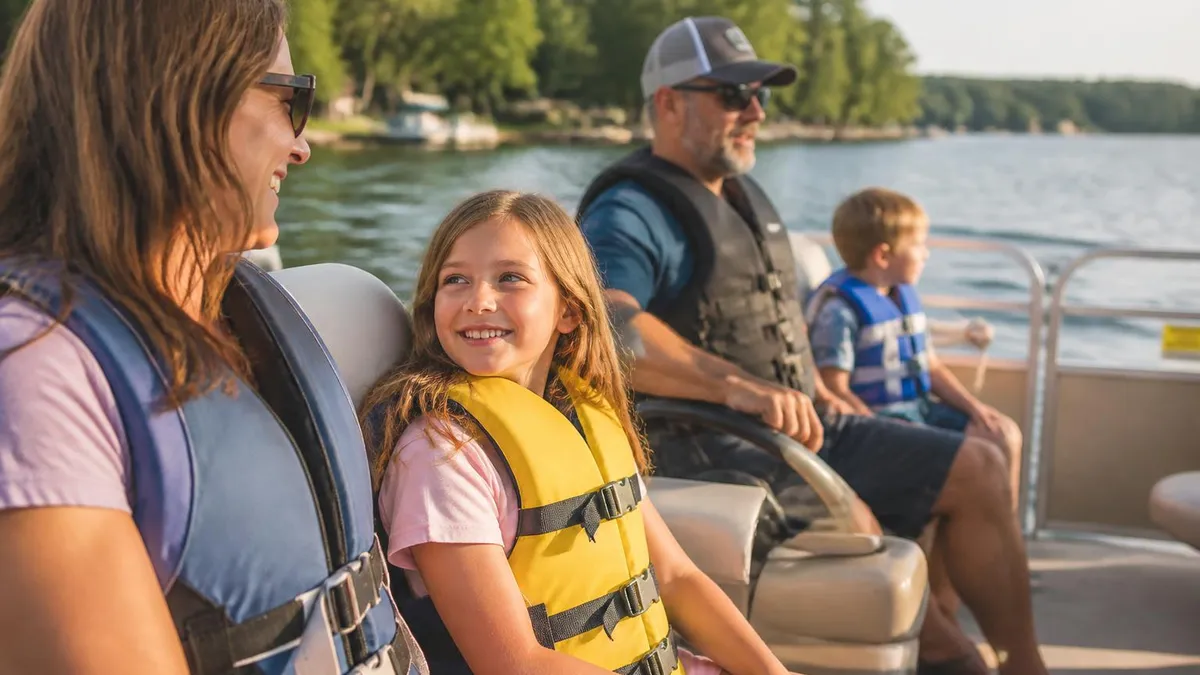
To earn the card, Florida residents complete a NASBLA-approved boating safety course — available online through providers like Boat Ed or BoatUS — pass a proctored final exam, and submit their completion certificate to the state. The card is valid for life and does not need to be renewed. Florida also requires all children under 14 to wear a Coast Guard-approved life jacket while the vessel is underway, a rule that applies regardless of the child's boating education status or the vessel's size.
Pros and Cons of the Current Boating Education Requirement System
- +Reduces boating accident and fatality rates — states with mandatory education show measurable safety improvements over time
- +Online courses allow boaters to complete certification at their own pace without taking time off work
- +Lifetime certificates in most states mean you only complete the training once, reducing long-term compliance burden
- +NASBLA reciprocity lets you use your home-state certificate when boating in other states without repeating coursework
- +Education covers navigation rules, right-of-way, and emergency procedures that genuinely improve operator competence
- +Passing a boating safety course can qualify you for discounts on boat insurance premiums from many carriers
- −Requirements vary dramatically by state, creating confusion for boaters who travel frequently across state lines
- −Horsepower and age thresholds differ enough between states that it is easy to be compliant at home and inadvertently non-compliant elsewhere
- −Online proctored exams can be inconvenient for boaters without reliable internet access or webcam-equipped devices
- −Some states charge course fees that can be a barrier for low-income families who want to access recreational boating
- −The system creates gaps: experienced boaters born before cutoff dates are exempt from education requirements despite limited formal training
- −Enforcement on the water is inconsistent — some waterways are heavily patrolled while others see little marine law enforcement presence
Pros and Cons at a Glance
| Pros | Cons |
|---|---|
| Reduces boating accident and fatality rates — states with mandatory education show measurable safety improvements over time | Requirements vary dramatically by state, creating confusion for boaters who travel frequently across state lines |
| Online courses allow boaters to complete certification at their own pace without taking time off work | Horsepower and age thresholds differ enough between states that it is easy to be compliant at home and inadvertently non-compliant elsewhere |
| Lifetime certificates in most states mean you only complete the training once, reducing long-term compliance burden | Online proctored exams can be inconvenient for boaters without reliable internet access or webcam-equipped devices |
| NASBLA reciprocity lets you use your home-state certificate when boating in other states without repeating coursework | Some states charge course fees that can be a barrier for low-income families who want to access recreational boating |
| Education covers navigation rules, right-of-way, and emergency procedures that genuinely improve operator competence | The system creates gaps: experienced boaters born before cutoff dates are exempt from education requirements despite limited formal training |
| Passing a boating safety course can qualify you for discounts on boat insurance premiums from many carriers | Enforcement on the water is inconsistent — some waterways are heavily patrolled while others see little marine law enforcement presence |
Boating License Preparation Checklist
- ✓Confirm your state's birth-year cutoff and horsepower threshold before you register for a course
- ✓Choose a NASBLA-approved course provider — only approved courses produce a recognized certificate
- ✓Gather required documents: government-issued ID, payment method, and any vessel registration numbers needed at sign-up
- ✓Complete all course modules in order — most providers require 100% module completion before unlocking the final exam
- ✓Schedule your proctored exam for a time when you have a quiet environment and a stable internet connection
- ✓Pass the final exam with the required score (typically 70% or higher) and download your temporary certificate immediately
- ✓Carry your temporary certificate on the water until your official card or ID arrives by mail
- ✓Check reciprocity rules for any state you plan to visit — most states honor NASBLA certificates, but confirm before you launch
- ✓Register your vessel with your home state if it is motorized or 16 feet or longer — registration is separate from your education certificate
- ✓Review local no-wake zones, speed limits, and restricted area maps for every body of water you plan to use
It Is the Engine, Not the Boat Size, That Usually Triggers the Requirement
In most states, the deciding factor for whether you need a boating education certificate is the engine's horsepower rating — not the length or weight of the boat. A 12-foot aluminum fishing boat with a 15 HP outboard will trigger the requirement in Florida and Ohio, while a 30-foot sailboat without a motor may be completely exempt. Always check your state's specific horsepower and age thresholds before assuming you do or do not need a certificate.
Getting your boating education certificate is a straightforward process in every state, and the rise of online course providers has made it more accessible than ever. The most important first step is confirming that the provider you choose is approved by the National Association of State Boating Law Administrators (NASBLA). NASBLA is the body that establishes the curriculum standards that state agencies accept, and a certificate from a non-approved provider will not satisfy your state's legal requirements — no matter how thorough the course content appears to be.
The two largest approved online providers are Boat Ed and BoatUS Foundation's Safe Boating Course. Both offer state-specific versions of their curricula that incorporate the local rules, registration processes, and waterway information relevant to the state you select at enrollment. Prices range from about $25 for basic state courses to $75 or more for states with more extensive requirements. Most courses take between eight and twelve hours to complete, and most providers allow you to save progress and return to the course across multiple sessions — you do not need to complete everything in one sitting.
The course content itself covers a predictable set of topics regardless of which state's version you take: basic navigation rules and the International Regulations for Preventing Collisions at Sea (COLREGs), navigation light requirements for different vessel types and operating hours, rules of the road including right-of-way for different crossing and overtaking scenarios, proper use and required carriage of safety equipment such as life jackets, fire extinguishers, and visual distress signals, emergency procedures for man-overboard situations and vessel swamping, and the legal blood-alcohol content limits that apply to boat operators in your state.
After completing the course modules, you will take a proctored final exam. Online proctoring is now standard — you will use your webcam and microphone, and a remote proctor will monitor the session. Most states require a minimum score of 70%, though some require 75% or 80%. If you fail, most providers allow one or more retakes, sometimes after a mandatory waiting period. Read the retake policy before you start so you know what to expect if your first attempt does not go as planned.
Once you pass, download and print your temporary certificate immediately. This document authorizes you to operate a motorized vessel while your official state-issued card is processed and mailed. Keep the temporary certificate in a waterproof sleeve aboard your boat along with your vessel registration. Processing times for official cards vary from two to six weeks depending on the state, and some states allow digital copies to be displayed on a smartphone in lieu of a physical card during the transition period.
For boaters wondering about the new york state boating license process specifically, New York follows a similar online-course pathway but requires the final exam to be proctored in person at one of several designated testing centers across the state. New York operators should plan ahead, since testing center appointments can fill up quickly during peak boating season in the spring and early summer. Scheduling your exam appointment in January or February for a May or June boating season start is a common best practice among New York boaters.
Children and teenage operators face additional layers of regulation beyond the standard education certificate. Almost every state sets a minimum age for solo operation of a motorized vessel — commonly 12, 14, or 16 years old — and requires adult supervision below that threshold regardless of whether the minor has completed a safety course.
Personal watercraft often carry stricter minimums: 14 is the most common PWC minimum age, with some states setting it as high as 16. Parents planning to let their children operate a family boat should look up both the education certificate requirement and the minimum age rules for their specific state before handing over the wheel.
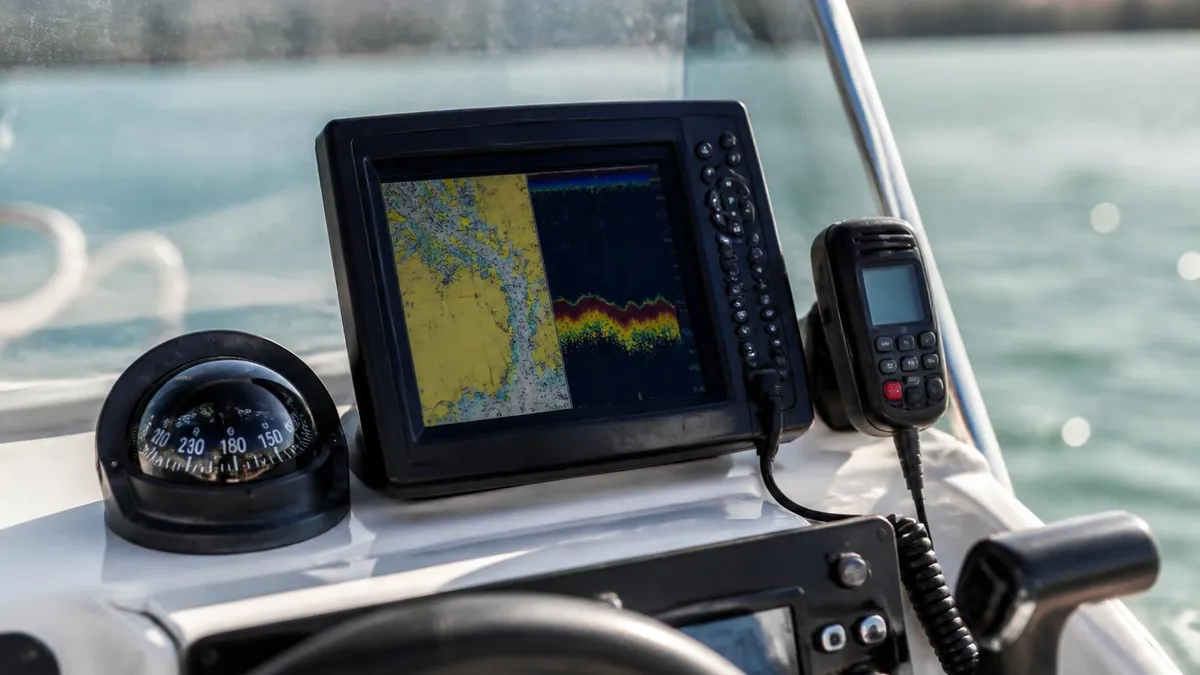
Marine patrol officers in Florida, California, Ohio, and most other states can stop any vessel underway to check for valid registration, required safety equipment, and proof of boating education certification. If you are required to hold a certificate and cannot produce it — even if you actually completed the course — you may receive a citation, a fine, and in some cases be ordered to return to shore. Keep a physical copy of your certificate aboard your vessel at all times, not just on your phone.
Passing the boating safety exam requires focused preparation, but the content is manageable for anyone who approaches it systematically. The exam draws from a defined pool of topics that every NASBLA-approved curriculum covers, which means the best preparation strategy is to study the course material thoroughly, then reinforce that knowledge with timed practice tests that simulate the actual exam experience. Spacing your study over several days rather than cramming everything into one session improves retention significantly, particularly for the navigation rules, which require memorization of specific light patterns, sound signals, and right-of-way hierarchies.
Navigation lights are one of the most heavily tested areas on every state boating exam. You need to know not just what color lights different vessels display, but what those lights look like from different angles — from dead ahead, from the port side, from the starboard side, and from astern. The classic mnemonic "red over white, fishing at night" helps many students remember the light arrangement for a vessel engaged in fishing, but you will need similar memory anchors for sailboats, towing vessels, vessels at anchor, and vessels restricted in their ability to maneuver.
Right-of-way rules — called "rules of the road" in maritime terminology — are the second most frequently tested category. The hierarchy runs roughly from vessels restricted in maneuverability at the top, down through vessels engaged in fishing, then sailing vessels, then power-driven vessels in give-way situations. Understanding crossing, overtaking, and head-on encounter rules, and knowing which vessel is the "stand-on" versus "give-way" vessel in each scenario, will account for a significant portion of your exam score regardless of which state's version you are taking.
Required safety equipment is a third major category. Federal and state law specifies exactly which life jackets, fire extinguishers, sound-producing devices, and visual distress signals must be aboard a vessel of a given length operating on different water types. A vessel under 16 feet has different requirements than one between 16 and 26 feet, and vessels operating on coastal waters have different requirements than those on inland lakes and rivers. Memorizing these requirement tables by vessel length range is one of the more mechanical parts of exam preparation but is reliably rewarded with multiple correct answers on test day.
Alcohol and boating is a topic that appears on virtually every state exam in some form. The federal legal limit is 0.08% BAC for vessel operators, mirroring the limit for motor vehicle operators in most states. However, some states set lower limits for operators of certain vessel types or in certain conditions.
The exam typically asks about both the legal limit and the practical effects of alcohol on the physical and cognitive abilities needed for safe vessel operation — reaction time, balance, visual acuity, and judgment all degrade at BAC levels below the legal threshold, a point the exams emphasize repeatedly.
Environmental regulations — including rules about discharge of waste, fueling procedures to prevent spills, and operation in protected waterways — round out most state exam curricula. No-discharge zones, pump-out stations, and the Clean Water Act's impact on recreational boating are tested topics in states with significant coastline or freshwater resources. Florida, California, and states bordering the Great Lakes tend to have the most detailed environmental content on their exams, reflecting local regulatory priorities.
One of the most effective preparation strategies is to take multiple full-length practice tests under timed conditions before your actual exam. PracticeTestGeeks.com offers free practice tests covering the full range of American boating license content, allowing you to identify your weak areas before they cost you points on the real exam. Aim to consistently score 85% or higher on practice tests before scheduling your proctored final, giving yourself a meaningful buffer above the minimum passing score and accounting for the pressure of the actual testing environment.
Practical preparation goes beyond memorizing facts — it also means understanding how to apply boating rules in realistic situations. Many exam questions are scenario-based: you are given a description of two or more vessels approaching each other and asked to identify the correct action. The best way to build this applied understanding is to visualize the scenarios as you study. Draw diagrams of crossing situations, practice identifying which vessel is to your starboard side versus port side, and rehearse the correct response for each configuration until it becomes automatic.
The alabama boating license exam content follows the same NASBLA framework as other states, which means a strong grasp of federal navigation rules carries over across state lines. Alabama places particular emphasis on reservoir and river boating since much of the state's recreational boating takes place on inland waters managed by the Army Corps of Engineers. Dam-regulated waters have specific rules about approach distances, current awareness, and hazard markings that Alabama's exam includes and that differ meaningfully from open-lake or coastal boating scenarios.
Time management on the actual exam matters more than many test-takers expect. Most state exams allow 60 to 90 minutes for 50 to 60 questions — which sounds generous until you encounter several complex scenario questions in a row that each require careful reading and analysis. Moving at a pace of roughly 60 to 75 seconds per question keeps you on track without rushing. Flag any question you are uncertain about, answer every question (there is no penalty for guessing in most states), and return to flagged items with any remaining time.
After passing your exam and receiving your certificate, continue building your on-water skills actively. A certificate proves you passed a knowledge test, not that you are a competent boat handler. New boaters benefit enormously from taking their vessel out in calm, uncrowded conditions early in the season to practice docking, anchoring, and maneuvering at low speed before attempting busier waterways. Many power squadrons and U.S. Coast Guard Auxiliary chapters offer free or low-cost on-water instruction that complements the theoretical knowledge from the certification course.
Insurance considerations are another practical reason to understand boat size license requirements thoroughly. Most marine insurers ask about your boating education certificate status when you apply for coverage, and some require one regardless of whether your state mandates it. Boaters who complete an approved safety course often qualify for discounts of 5% to 15% on their premiums. If you operate a vessel over 26 feet, some insurers require a formal documentation of sea time or additional training beyond the standard state safety certificate, especially for offshore coverage.
The rental boat market adds another layer of complexity to the licensing picture. Many boat rental companies require proof of a boating safety certificate before they will rent a motorized vessel to a customer, even in states where the state itself would not require the certificate for that particular operator.
Rental companies carry liability exposure for accidents involving their vessels, so many adopt stricter internal requirements than state minimums. If you plan to rent boats on vacation, check the rental company's requirements well in advance — completing a course before your trip is far less stressful than scrambling to find a provider at your destination.
Looking ahead, the trend across the country is toward broader and stricter boating education mandates. Several states have lowered their birth-year cutoffs in recent years, and advocacy groups continue to push for universal education requirements that apply to all operators regardless of age. Boaters who complete their certification now are ahead of the regulatory curve, and the knowledge gained from a thorough course remains valuable for a lifetime of safe boating regardless of how state laws evolve in the coming years.
Sample Boating License Test Practice Questions
Try these questions from our free Boating License Test practice tests. The correct answer and an explanation follow each question.
What is the first action you should take if your boat begins taking on water?
- A. Immediately call for help
- B. Identify and plug the source of flooding if possible
- C. Abandon ship
- D. Increase engine speed to stay ahead of flooding
Answer: B. Identify and plug the source of flooding if possible
You should first attempt to locate and plug the source of flooding to keep the vessel afloat while also signaling for help.
What is the recommended way to fuel a boat safely?
- A. Shut off engines, extinguish flames, and keep the nozzle in contact with the tank
- B. Keep the engine running for quick departure
- C. Smoke away from the tank
- D. Fill the tank completely to the brim
Answer: A. Shut off engines, extinguish flames, and keep the nozzle in contact with the tank
Turning off engines and grounding the nozzle prevents sparks and static-caused fires during fueling.
What is the recommended way to store a fire extinguisher on a boat?
- A. Mounted in an accessible location away from the engine
- B. Locked in the bilge
- C. Inside the fuel tank compartment
- D. Buried under life jackets
Answer: A. Mounted in an accessible location away from the engine
Fire extinguishers must be readily accessible and away from likely fire sources like the engine.
Under federal law, what is the blood alcohol content (BAC) limit for boat operators in the US?
- A. 0.10%
- B. 0.08%
- C. 0.05%
- D. 0.06%
Answer: B. 0.08%
The federal BAC limit for boat operators is 0.08%, the same as for motor vehicle operators.
Boating License Questions and Answers
Tennessee Boating License 2026 — Requirements, Age & How to Get One

Age Requirements for a Boating License: What Every State Demands in 2026
MN Boat License: Who Needs One & How to Get Certified
Do You Need a License to Drive a Boat? State-by-State Guide 2026

Boating License Cost: What You'll Pay in Every State (2026 Guide)
About the Author

Master Mariner & Maritime Certification Specialist
Massachusetts Maritime AcademyCaptain David Harrington is a US Coast Guard licensed Master Mariner with a Bachelor of Science in Marine Transportation from Massachusetts Maritime Academy. He has 22 years of deep-sea and coastal navigation experience aboard commercial vessels and specializes in preparing maritime candidates for USCG licensing exams, STCW certification, dynamic positioning (DPO), and officer-of-the-watch qualifications.
Join the Discussion
Connect with other students preparing for this exam. Share tips, ask questions, and get advice from people who have been there.
View discussion (6 replies)