
24 Hour Bail Bonds: How Emergency Bail Works and How to Find a Bondsman
🧠 24 hour bail bonds explained — how the process works, what it costs, and how to find a licensed bondsman near you any time of day.

A 24-hour bail bond service means a licensed bondsman is reachable and able to post bond at any hour, day or night. They don't close at 5 p.m. They don't take weekends off. The business model is built around urgency because that's when families call — at odd hours, scared, unsure what to do next. The "24/7" label isn't marketing fluff. For a bondsman, it's a business requirement.
Here's the thing: most jails don't release defendants the moment bail is set. Booking takes two to twelve hours depending on the facility, how busy it is, and whether the charges require extra processing. A high-volume county jail on a Friday night in Columbus or Daytona Beach might take closer to the upper end of that range.
A quieter city jail in Aberdeen or Bloomfield might move faster. But once booking wraps up and the bond is posted, release can happen within a few hours — and every hour the bondsman waits to get involved is another hour your family member sits in a holding cell.
The distinction between "24 hour" and "actually available 24 hours" matters more than you'd think. Some bondsmen list 24-hour numbers that go to voicemail after midnight. Others have a live agent on call who can physically get to the jail at 3 a.m. Ask directly: "Can you post bond tonight, right now?" You'll know within seconds if they're genuinely available or just advertising.
When searching for 24 hour bail bonds in cities like Bridgeport CT, East Hartford, or El Paso, look for agencies that explicitly state they handle after-hours releases — not just those with 24-hour phone lines. The best ones tell you upfront how long release typically takes from the moment you call. That transparency matters when every hour counts.
Finding good bail bond services means confirming they're operational immediately — not just someday. A bondsman you can't reach at 4 a.m. is one who can't help when you actually need them.
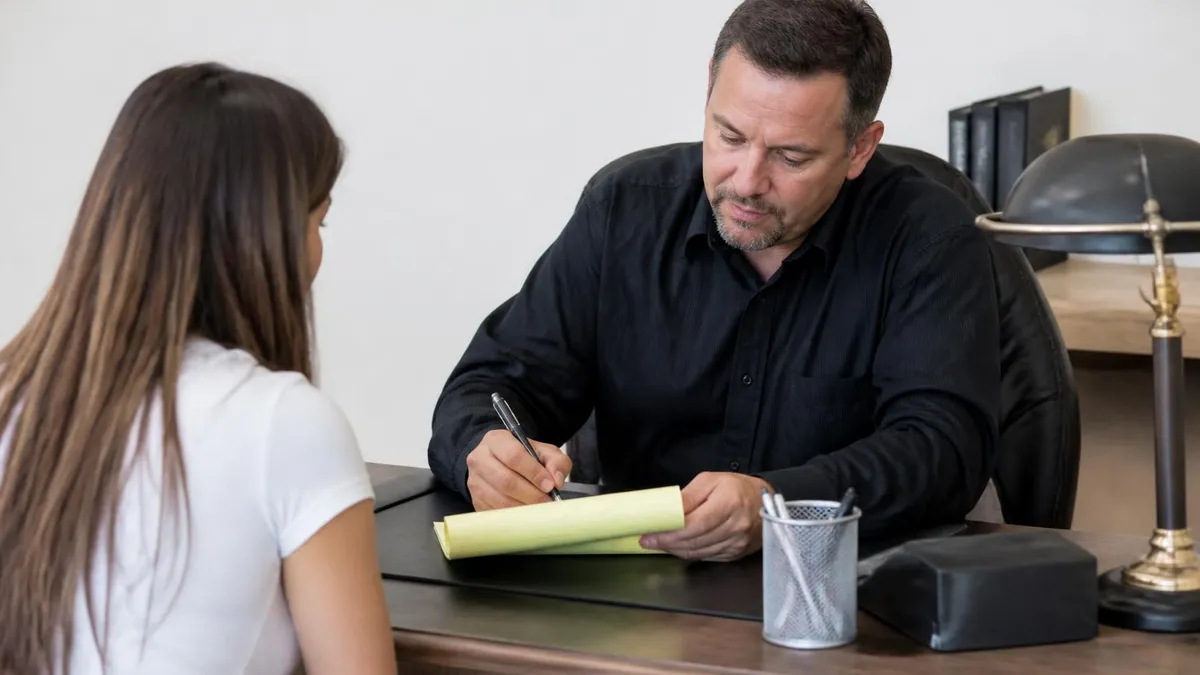
- Full legal name of the arrested person (as it appears on ID)
- Name and address of the jail or detention facility
- Booking number — assigned at intake; call the jail's main line if you don't have it
- The charge(s) filed against the defendant
- Bail amount as set by the judge or listed on the bail schedule
- Your full name, your relationship to the defendant, and a callback number
How the Bail Bond Process Works
The process moves in stages. Knowing each one helps you act faster — and keeps you from getting taken advantage of when you're stressed and rushing.
Arrest and Booking
After an arrest, the defendant is taken to a jail or detention center for booking. Fingerprints, mugshot, background check, charges logged. This takes two to twelve hours — sometimes longer at busy urban facilities. You can't post bail until booking is complete, but calling a bondsman right away is the right move. They can start paperwork and be ready to post bond the moment the system shows the defendant as booked.
Don't wait for a call from the defendant before acting. Jail phone access is limited in the first few hours. If you know someone was arrested, find out which facility holds them and call a bondsman while you're gathering information. Time matters more than you think.
Bail Gets Set
Bail is set one of two ways. A bail schedule is a preset amount tied to the charge — jails use these for common offenses so defendants don't have to wait for a judge. The alternative is a judge setting bail at arraignment, which happens within 24 to 72 hours of arrest in most states. For serious felony charges, you'll wait for that arraignment before you know the bail figure.
Some jurisdictions — particularly in Connecticut and parts of Ohio — have moved toward pre-trial release systems that reduce or eliminate cash bail for lower-level charges. If you're dealing with a misdemeanor or non-violent offense in Bridgeport CT or East Hartford territory, ask the jail whether pre-trial release might apply. It might save you the premium entirely.
Call the Bondsman
Once you have the bail amount, call a licensed bondsman. Give them everything from the checklist above — name, jail, booking number, charges, and bail figure. The bondsman assesses the risk. Most straightforward cases get approved in under an hour. For very high bail or serious charges, approval takes longer and may require collateral discussions upfront.
For 24 hour bail bonds in Cobb County GA, Columbus Ohio, and Dayton Ohio — high-volume jurisdictions — the bigger agencies have streamlined this process significantly. They know exactly what the local facilities need and how quickly each one processes releases. That local knowledge cuts time.
Sign the Agreement and Pay the Premium
You'll sign an indemnity agreement — the contract making you, the co-signer, financially responsible if the defendant fails to appear. Read it before you sign. Ask about the forfeiture timeline in your state. Understand what triggers the bondsman's right to seek recovery. Then you pay the premium: typically 10% of the total bail amount. Non-refundable. That's the bondsman's compensation for assuming the risk from the moment the bond posts.
How to Find a Bondsman in Your City
Google is the fastest starting point — search "24 hour bail bonds" plus the city or county name. You'll get results quickly for places like 24 hour bail bonds Daytona Beach, 24 hour bail bonds Fairfield, or 24 hour bail bonds Aberdeen. But don't just call the first result. Check the bondsman's license through your state's department of insurance before signing anything. Most states let you search by name or license number online in under two minutes.
You can also ask the jail directly. Most facilities keep a posted list of licensed bondsmen in the booking area. Jail staff can't recommend specific agencies, but they can confirm which bondsmen are licensed to operate at that facility. That's a useful baseline check — especially for unfamiliar jurisdictions like 24 hour bail bonds Bloomfield or 24 hour bail bonds Canton, where you might not know the local market.
Bail Bond Key Facts
Bond Is Posted
The bondsman takes the paperwork to the jail and posts the full bail amount on behalf of the defendant. The jail processes the release — usually another one to three hours depending on how backed up they are. In big county facilities like Franklin County in Columbus or Volusia County in Daytona Beach, that window stretches during peak hours. There's nothing the bondsman can do to accelerate the jail's internal workflow once the bond is submitted. You're waiting on the facility at that point.
Court Appearances Are Mandatory
The defendant must appear at every scheduled court date. Miss one hearing and a bench warrant issues immediately, the bond is forfeited, and the bondsman has the legal right to send a recovery agent to find and surrender the defendant. As the co-signer, you're financially on the hook for the full bail amount if the bondsman can't recover the defendant within the state-mandated grace period — typically 90 to 180 days.
Good bondsmen don't just collect the premium and disappear. They follow up, remind the defendant of upcoming dates, and sometimes require regular check-ins. Working with reputable bail bonds services means that follow-through is part of what you're paying for. Ask about it before you sign.

24-Hour Bail Bond Availability by Location
Bridgeport is Fairfield County's largest city with multiple licensed bondsmen covering the Bridgeport Correctional Center around the clock. Having a bondsman's number ready before booking is complete cuts release time significantly.
- ▸Fairfield County's main detention facility
- ▸10% premium rate — set by CT statute
- ▸Verify credentials through CT Dept of Insurance bail agent lookup
Franklin County's main jail processes a high daily volume of bookings. 24 hour bail bonds Columbus Ohio services are well established — multiple agencies cover the downtown facility and Franklin County Correctional Center around the clock.
- ▸High-volume facility — overnight wait times common
- ▸Ohio premium rate: 10%
- ▸Ohio Dept of Insurance has a license verification database
Montgomery County Jail handles both misdemeanor and felony bookings. 24 hour bail bonds Dayton Ohio providers serve the downtown facility and surrounding county courts.
- ▸Serves Montgomery County courts
- ▸Ohio premium rate: 10%
- ▸Search Ohio Dept of Insurance to verify bondsman license
Volusia County Branch Jail near Daytona Beach sees frequent after-hours bookings. Florida-licensed bondsmen must charge exactly 10% — any offer below that is a red flag.
- ▸DUI and traffic charges common after hours
- ▸Florida rate: 10% fixed by state law
- ▸Verify via Florida Dept of Financial Services
The Cobb County Adult Detention Center in Marietta is one of metro Atlanta's busiest jails. 24 hour bail bonds Cobb County GA services are accessible near the facility.
- ▸High-volume metro Atlanta facility
- ▸Georgia premium rate: 12% (higher than most states)
- ▸Budget for the higher rate when calculating costs
El Paso County Detention Facility handles local and border-adjacent cases. Several 24 hour bail bonds El Paso agencies specialize in overnight releases and offer payment plans.
- ▸Payment plans on premium commonly available
- ▸Texas rate: 10%
- ▸Some agencies operate bilingual 24-hour lines
Stark County Jail in Canton processes bookings for the Canton area and surrounding townships. Local 24 hour bail bonds Canton providers know the facility's intake process well.
- ▸Serves Stark County courts
- ▸Ohio premium rate: 10%
- ▸For immigration holds, use an immigration-specialist bondsman
Hartford County sees significant overnight jail activity. East Hartford-area bondsmen cover the Hartford Correctional Center and other county facilities.
- ▸Hartford Correctional Center coverage
- ▸Connecticut rate: 10% fixed by statute
- ▸Public CT bail agent directory available from Dept of Insurance
Cost and Collateral: What You're Actually Paying
The bail bond premium is the fee you pay the bondsman for posting the full bail amount to the court. In most states, that's exactly 10% of whatever bail was set. So if bail is $20,000, you're paying $2,000 upfront. California sets the rate at 8%. Georgia charges 12%. Some states allow up to 15% depending on bond type and the defendant's risk profile. The rate isn't negotiable — it's set by your state's department of insurance, and any bondsman who quotes you something dramatically lower should raise a flag.
That money doesn't come back. Not a deposit. Won't be returned at the end of the case regardless of outcome — even if charges are dropped the next morning, even if the defendant is acquitted, even if the case gets dismissed on a technicality. The premium is earned the moment the bondsman posts the bond. State law requires it. The bondsman took on the financial risk from day one, and that risk doesn't disappear when the charges do.
Some bondsmen offer payment plans on the premium — particularly in Texas, where 24 hour bail bonds El Paso providers commonly offer installment arrangements. You'll typically need to cover a portion upfront before the bond posts, with the remaining balance due per a written schedule. Make sure any payment arrangement and penalties for late payments are clearly spelled out in the indemnity agreement before you sign. Verbal assurances don't hold up if there's a dispute later.
When Collateral Is Required
For high bail amounts — generally above $50,000, though the threshold varies by bondsman and state — many bondsmen require collateral in addition to the cash premium. Real property is most common: a home with enough equity to cover the full bail amount. Vehicles, jewelry, and other assets can qualify depending on the bondsman's requirements and your state's rules.
The collateral secures the bond. If the defendant fails to appear and the bondsman can't locate and surrender them within the forfeiture grace period, they can move to seize and liquidate the collateral to cover what's owed. This isn't hypothetical — it happens.
Before pledging your home or any significant asset, get everything in writing. What specific event triggers the right to seize collateral? What notice will you receive? How much time will you have to respond? What are your legal rights in your state? Have an attorney review the agreement if the bail amount is large enough to justify it — that hour of legal review could save you a house.
Collateral releases after the case concludes and all court obligations are met. Once the court exonerates the bond — typically at case disposition — the lien on your property is released. The defendant has to attend every hearing. Don't treat that as a formality. One missed court date and the entire bond is at risk.
Three Ways Bail Can Work
You pay a bondsman 10% of the bail amount as a non-refundable premium. The bondsman posts the full bail amount to the court on your behalf. You don't need the full bail amount in cash — just the premium. The 10% is not returned regardless of case outcome. Best for: defendants who can't afford to pay the full cash bail, which is the majority of cases.

What to Do If You Can't Afford Bail
Bail can be set at amounts that are simply out of reach for most families. That's a documented problem in the American justice system, and it has real consequences — people lose jobs, housing, and custody arrangements while awaiting trial simply because they couldn't pay. You have more options than you might realize.
Request a bail reduction hearing. A defense attorney or public defender can file a motion asking the judge to lower bail. The motion typically argues the defendant's community ties, employment history, lack of prior record, or inability to pay the current amount. Judges grant these regularly — especially for first-time offenders or non-violent charges. It costs nothing to ask. It's often the fastest path to a manageable number.
Own recognizance release. For lower-level charges and defendants with no flight risk indicators, courts sometimes release people on their own recognizance — no bail required, just a signed promise to appear at all scheduled hearings. A public defender requests this at arraignment. If the defendant has stable employment, local family ties, and no history of missed court dates, OR release is worth pursuing before committing to a bondsman. Not every case qualifies, but it's always worth asking.
Pre-trial release programs. Many counties operate pretrial services programs that supervise defendants on release without requiring cash bail. Conditions vary: regular check-ins with a pretrial officer, electronic monitoring, travel restrictions, or substance abuse testing. Availability differs significantly by jurisdiction — some counties have robust programs, others have nothing. Ask the public defender or the court clerk's office what exists in your specific county. In Canton Ohio and East Hartford areas, pretrial programs have expanded significantly as bail reform has moved through state legislatures.
Nonprofit bail funds. Organizations like The Bail Project and local community bail funds post bail for eligible low-income defendants at no cost to the family. The defendant must typically meet income criteria and agree to work with a case manager. Search "community bail fund" plus your city name to find what's available locally. Coverage is uneven but has grown substantially in recent years, particularly in larger metro areas.
Public defender assistance. Don't underestimate the role of the public defender here. A good public defender can file a bail reduction motion, argue for OR release, connect the family with pretrial services, and advise on whether a nonprofit bail fund is available locally. The first conversation with the public defender — which should happen before arraignment — is the right time to raise all these options. Don't wait for them to bring it up.
For cases crossing state lines, involving federal charges, or dealing with immigration detention holds, standard bail rules don't apply. Review the bail bond service by location guide for state-specific rules before assuming what applies in your situation. Immigration bonds operate under a completely separate federal framework — for those, you need a bondsman specifically licensed for federal immigration bonds, not just a standard state bail agent. For more on that topic, see our guide to immigration bail bond requirements by state.
Bail Bond vs. Staying Jailed Pre-Trial
- +Defendant can return home, maintain employment, and support their family during the case
- +Better access to their defense attorney for case preparation
- +Freedom to gather evidence, find witnesses, and support their own defense
- +Avoids the documented negative outcomes associated with pre-trial detention (job loss, housing loss, custody issues)
- +Typically results in better case outcomes than defendants held pre-trial
- −Non-refundable 10% premium is a real out-of-pocket cost regardless of case outcome
- −Co-signer takes on significant financial and legal liability if defendant skips court
- −Collateral pledged is at risk if the defendant fails to appear
- −Some bondsmen charge additional fees not clearly disclosed upfront — read the contract
- −Violation of bond conditions can result in immediate re-arrest and forfeiture
Bail Bonds Questions and Answers

1st Call Bail Bond Services: Complete Guide to Choosing, Working With, and Understanding Bail Bond Agencies in 2026

Bail Bond Raleigh NC: Complete Guide to Finding, Hiring, and Working With Local Bail Bond Services Across North Carolina

Hillsborough Bail Bonds Services: Complete Guide to Posting Bail, Working with Agents, and Navigating the System

Immigration Bail Bond Alabama: Complete State-by-State Guide to ICE Bonds, Costs, and Release Process
About the Author

Educational Psychologist & Academic Test Preparation Expert
Columbia University Teachers CollegeDr. Lisa Patel holds a Doctorate in Education from Columbia University Teachers College and has spent 17 years researching standardized test design and academic assessment. She has developed preparation programs for SAT, ACT, GRE, LSAT, UCAT, and numerous professional licensing exams, helping students of all backgrounds achieve their target scores.