

AEP Practice Test
Updated for September 2026The AEP (Associate Environmental Professional Certification) is a valuable credential for individuals seeking to advance their careers in environmental science and management. This certification demonstrates a commitment to environmental stewardship and professional excellence. This guide provides essential information on preparing for the AEP exam, understanding the certification process, and exploring training resources available for aspiring environmental professionals.
AEP Practice Test Questions
Prepare for the AEP - Associate Environmental Professional Certification exam with our free practice test modules. Each quiz covers key topics to help you pass on your first try.
AEP Air Quality & Atmospheric Science
AEP Exam Questions covering AEP Air Quality & Atmospheric Science. Master AEP Test concepts for certification prep.
AEP Ecological Systems & Biodiversity
Free AEP Practice Test featuring AEP Ecological Systems & Biodiversity. Improve your AEP Exam score with mock test prep.
AEP Hazardous Materials & Waste Management
AEP Mock Exam on AEP Hazardous Materials & Waste Management. AEP Study Guide questions to pass on your first try.
AEP Water Resources & Hydrology
AEP Test Prep for AEP Water Resources & Hydrology. Practice AEP Quiz questions and boost your score.
AEP Applied Methods and Techniques
AEP Questions and Answers on Applied Methods and Techniques. Free AEP practice for exam readiness.
AEP Continuing Education Requirements
AEP Mock Test covering Continuing Education Requirements. Online AEP Test practice with instant feedback.
AEP Core Concepts and Principles
Free AEP Quiz on Core Concepts and Principles. AEP Exam prep questions with detailed explanations.
AEP Environmental Health & Toxicology
AEP Practice Questions for Environmental Health & Toxicology. Build confidence for your AEP certification exam.
AEP Industry Best Practices
AEP Test Online for Industry Best Practices. Free practice with instant results and feedback.
AEP Environmental Assessment & Remediation
AEP Study Material on Environmental Assessment & Remediation. Prepare effectively with real exam-style questions.
AEP Environmental Laws & Regulations
Free AEP Test covering Environmental Laws & Regulations. Practice and track your AEP exam readiness.
Key Takeaways
Free AEP Practice Test Online
The AEP (Associate Environmental Professional) certification validates expertise in the environmental field, enhancing career opportunities.
Effective preparation for the AEP exam involves utilizing study materials, online courses, and practice exams.
The certification process includes eligibility requirements, documentation, exam preparation, and maintaining certification through continuing education.
Professional environmental training, including workshops, webinars, and field experience, is essential for career advancement.
Environmental specialist courses cover key areas such as regulations, sustainability, and climate change, providing specialized knowledge for various roles.
AEP Exam Study Materials: Best Resources for Success
Preparing for the AEP exam requires a solid understanding of environmental principles and practices. Here are some of the best resources to help you succeed:
Official Certification Handbook: The AEP certification body provides a handbook outlining the exam structure, content areas, and scoring criteria. This is your first stop for understanding what to expect.
Study Guides and Textbooks: Look for textbooks that cover core environmental topics such as environmental law, policy, ecology, and sustainability. These resources provide foundational knowledge crucial for the exam.
Online Courses: Many educational institutions and platforms offer online courses specifically designed for AEP exam preparation. These courses often include video lectures, quizzes, and interactive content to reinforce learning.
Practice Exams: Utilize practice exams to gauge your readiness for the actual test. These can help you familiarize yourself with the question format and identify areas that need further study.
Professional Associations: Joining professional organizations, such as the National Association of Environmental Professionals (NAEP), can provide access to additional resources, networking opportunities, and webinars focused on exam preparation.
- ✓Review the official AEP exam content outline
- ✓Take a diagnostic practice test to identify weak areas
- ✓Create a study schedule (4-8 weeks recommended)
- ✓Focus on your weakest domains first
- ✓Complete at least 3 full-length practice exams
- ✓Review all incorrect answers with detailed explanations
- ✓Take a final practice test 1 week before exam day
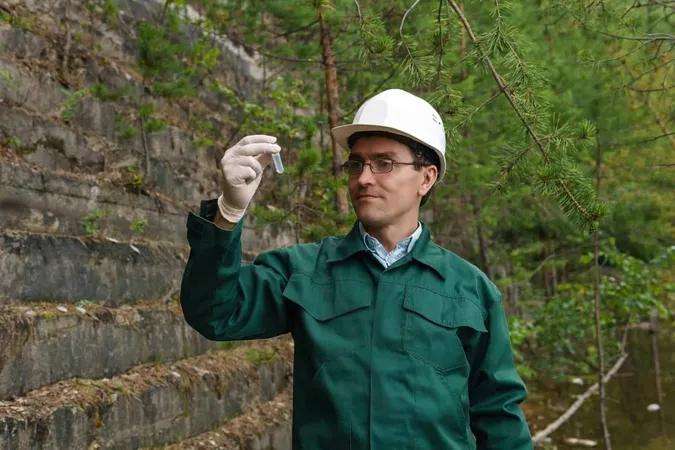
Associate Environmental Professional (AEP) Certification
The AEP certification is a respected credential that signifies a professional’s knowledge and skills in the environmental field. Key aspects of the certification include:
Eligibility Requirements: Candidates typically need a combination of education and experience in environmental science or a related field. This often includes a bachelor’s degree and relevant work experience.
Certification Process: The process usually involves completing an application, submitting documentation of education and experience, and passing the AEP examination. Successful candidates receive their certification, which is valid for a specific period.
Maintaining Certification: To maintain AEP certification, professionals may be required to complete continuing education courses and renew their certification periodically. This ensures that certified professionals stay updated on industry trends and practices.
Recognition and Value: AEP certification is recognized by employers and peers in the environmental field, enhancing job prospects and career advancement opportunities
How to Become a Certified Environmental Professional
The journey to becoming a certified environmental professional involves several steps that aspiring candidates should follow:
Assess Your Qualifications: Begin by reviewing the eligibility requirements for the AEP certification. Ensure you meet the educational and experience criteria before applying.
Gather Required Documentation: Prepare necessary documents, such as transcripts, proof of work experience, and any other required information. This documentation will be submitted with your application.
Study for the Exam: Develop a study plan that includes reviewing key concepts, utilizing recommended study materials, and taking practice exams. Focus on areas where you feel less confident.
Submit Your Application: Complete the application process as outlined by the certifying body. This typically involves filling out forms, paying a fee, and submitting your documentation.
Take the Exam: Once your application is approved, schedule a date to take the AEP exam. Arrive prepared and confident, utilizing your study materials and practice exams to guide you.
Receive Your Certification: Upon passing the exam, you will receive your AEP certification. Celebrate this achievement as it marks a significant milestone in your professional journey.
Professional Environmental Training
Professional training is essential for individuals pursuing a career in environmental science. It not only equips candidates with the necessary skills but also enhances their credibility in the field. Key components of professional environmental training include:
Workshops and Seminars: Attend workshops and seminars focused on current environmental issues, best practices, and regulatory updates. These events provide networking opportunities and insights from industry experts.
Webinars and Online Learning: Many organizations offer webinars covering specific environmental topics. These sessions can be a convenient way to gain knowledge without the need for travel.
Field Experience: Engaging in fieldwork provides hands-on experience that is invaluable in the environmental sector. Seek internships or volunteer opportunities with environmental organizations to gain practical skills.
Mentorship Programs: Consider participating in mentorship programs that connect aspiring professionals with experienced environmental practitioners. This relationship can provide guidance, advice, and support throughout your career.
Continuing Education: Stay current with continuing education courses that focus on emerging environmental trends, technologies, and regulations. This ongoing learning is crucial for maintaining certification and enhancing professional expertise.

Professional Environmental Training
Professional training is essential for individuals pursuing a career in environmental science. It not only equips candidates with the necessary skills but also enhances their credibility in the field. Key components of professional environmental training include:
Workshops and Seminars: Attend workshops and seminars focused on current environmental issues, best practices, and regulatory updates. These events provide networking opportunities and insights from industry experts.
Webinars and Online Learning: Many organizations offer webinars covering specific environmental topics. These sessions can be a convenient way to gain knowledge without the need for travel.
Field Experience: Engaging in fieldwork provides hands-on experience that is invaluable in the environmental sector. Seek internships or volunteer opportunities with environmental organizations to gain practical skills.
Mentorship Programs: Consider participating in mentorship programs that connect aspiring professionals with experienced environmental practitioners. This relationship can provide guidance, advice, and support throughout your career.
Continuing Education: Stay current with continuing education courses that focus on emerging environmental trends, technologies, and regulations. This ongoing learning is crucial for maintaining certification and enhancing professional expertise.

Environmental Specialist Courses
Environmental specialist courses are designed to provide in-depth knowledge and skills necessary for various roles within the environmental sector. Here are some common areas of focus in these courses:
Environmental Regulations: Courses that cover federal, state, and local environmental laws and regulations are essential for professionals working in compliance and regulatory affairs.
Sustainability Practices: Training in sustainability practices equips professionals with the knowledge to implement environmentally responsible strategies in organizations.
Environmental Impact Assessment: Understanding the methodologies for assessing environmental impacts is crucial for professionals involved in project planning and development.
Ecology and Conservation: Courses in ecology provide foundational knowledge about ecosystems, biodiversity, and conservation strategies, essential for roles in environmental management.
Climate Change and Mitigation: Training on climate change science and mitigation strategies is increasingly important for professionals addressing the impacts of climate change on communities and ecosystems.
Conclusions
The AEP (Associate Environmental Professional Certification) represents a significant step for individuals seeking to establish themselves in the environmental field. By understanding the exam preparation process, certification requirements, and available training resources, aspiring professionals can enhance their skills and career prospects. Investing in professional development through certification and specialized courses not only contributes to personal growth but also advances the goals of environmental sustainability and stewardship.
AEP: Pros and Cons
- +AEP certification validates expertise recognized by employers nationwide
- +Certified professionals typically earn 15-20% higher salaries
- +Opens doors to advanced positions and leadership roles
- +Demonstrates commitment to professional standards and ethics
- +Builds a strong professional network through certification communities
- −Exam preparation typically requires 2-4 months of dedicated study
- −Certification and exam fees can range from $150-$500+
- −Must complete continuing education to maintain active certification
- −Pass rates vary — thorough preparation is essential for success
- −Some certifications require prerequisite experience or education
About the Author

Environmental Scientist & Sustainability Certification Expert
UC Berkeley College of Environmental DesignDr. Laura Chen holds a PhD in Environmental Science and an MS in Chemistry from UC Berkeley. A Certified Hazardous Materials Manager with 15 years of environmental consulting experience, she specializes in ISO 14001 environmental management, HAZWOPER certification, and wastewater operator licensing. She has coached professionals through state and federal environmental certification programs nationwide.
Join the Discussion
Connect with other students preparing for this exam. Share tips, ask questions, and get advice from people who have been there.
View discussion (9 replies)