
WETT Test: Wood Energy Technology Transfer Explained 2026 September
Free WETT practice test with questions and answer explanations. 🗨️ Prepare for the 2026 September exam with instant scoring.
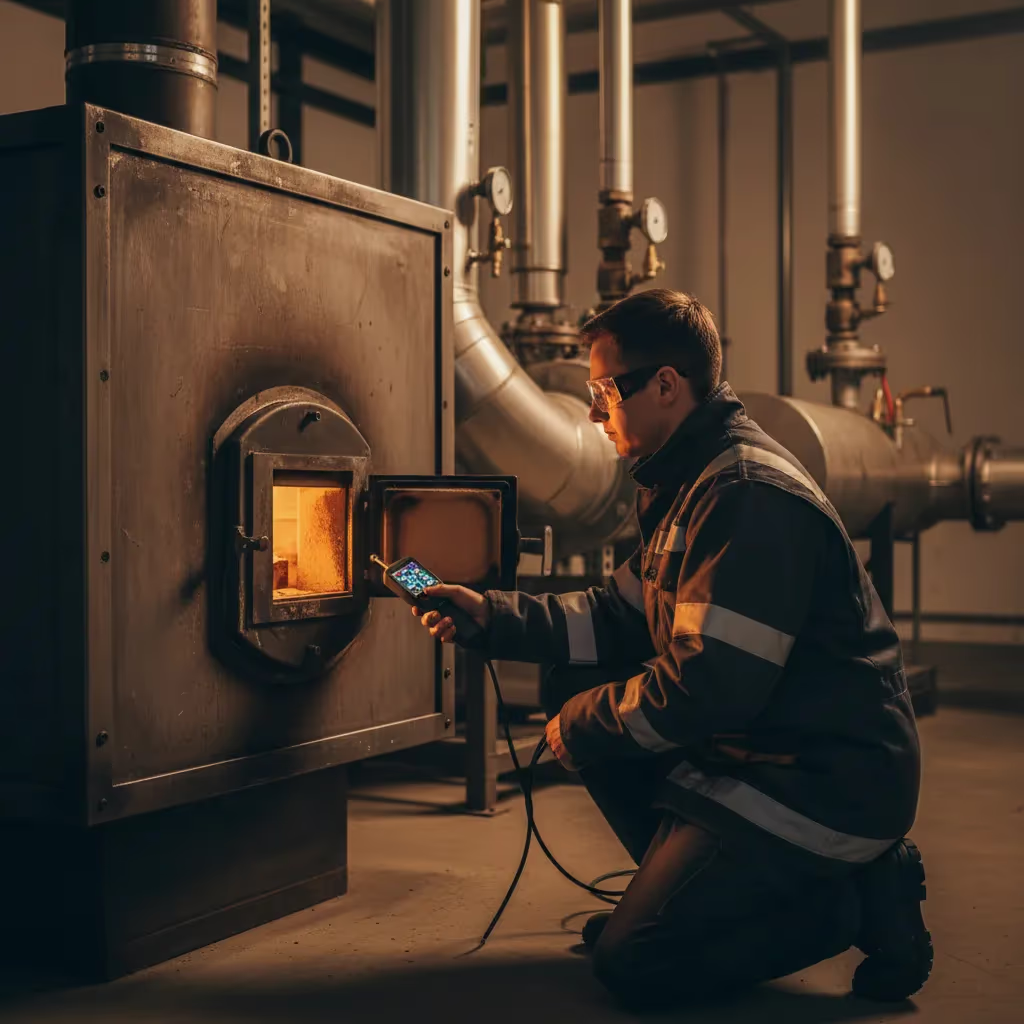
Wood-burning appliances, such as stoves and fireplaces, are a popular choice for heating in homes, especially in colder regions. However, improper installation or usage of wood-burning equipment can lead to dangerous situations, such as fires or carbon monoxide poisoning. This is where WETT (Wood Energy Technology Transfer) certification becomes essential. WETT inspections ensure that wood-burning systems are installed correctly, follow regulations, and operate safely.

Key Takeaways
WETT inspections are essential for ensuring the safe installation and maintenance of wood-burning systems like stoves and fireplaces.
WETT certification is available at three levels: Technician, Sweep, and Inspector, depending on the individual's role in wood energy systems.
The WETT certification program provides comprehensive training, including hands-on experience and examinations to ensure professionals meet safety standards.
WETT training courses cover a wide range of topics, from wood energy technology basics to advanced code compliance.
What Is a WETT Inspection?
A WETT inspection is a professional assessment of wood-burning systems, including stoves, fireplaces, and chimneys. The purpose of the inspection is to confirm that these systems are installed and maintained according to safety regulations and industry standards. A WETT-certified professional conducts the inspection, ensuring that homeowners and businesses reduce the risk of fire or structural damage.
Key components of a WETT inspection include:
Installation Compliance: Verifying that the installation of the wood-burning appliance and its venting system follows local codes and manufacturer guidelines.
Chimney and Venting System Inspection: Checking for any blockages, creosote buildup, or damage that could lead to a fire or reduced efficiency.
Clearances and Combustibles: Ensuring proper distance between the appliance and any combustible materials like walls, furniture, or curtains.
Operational Safety: Testing the appliance to ensure it functions safely and efficiently.
What the WETT Certification Covers and Why It Matters
The WETT (Wood Energy Technology Transfer) certification is the Canadian standard for professionals who inspect, install, and service solid-fuel burning appliances like wood stoves, fireplaces, and chimneys. Passing the WETT exam qualifies technicians to issue inspection reports accepted by insurance companies, municipalities, and real estate transactions across Canada.
WETT Certification Levels
WETT offers three core designations: SITE Basic Inspector, Chimney Sweep, and Comprehensive Inspector, each requiring its own exam and field experience. Candidates must complete the SITE Basic course before advancing to installer or comprehensive inspector streams.
General Study Tips
What's the best study strategy for General?
Focus on weak areas first. Use practice tests to identify gaps, then study those topics intensively.
How far in advance should I start studying?
Most successful candidates begin 4-8 weeks before the exam. Create a structured study schedule.
Should I retake practice tests?
Yes! Take each practice test 2-3 times. Focus on understanding why answers are correct, not memorizing.
What should I do on exam day?
Arrive 30 min early, bring required ID, read questions carefully, flag difficult ones, and review before submitting.
WETT Certification
Becoming WETT certified allows individuals to inspect, install, and maintain wood-burning systems with confidence and professionalism. Certification is necessary for those who work in fields related to wood energy, such as chimney sweeps, home inspectors, and wood stove retailers.
There are three levels of WETT certification:
Technician: This is the base level certification that qualifies individuals to install and inspect wood-burning appliances and their venting systems.
Sweep: This certification focuses on the maintenance of chimneys and wood-burning systems, including cleaning and ensuring the proper operation of vents.
Inspector: This level allows professionals to conduct thorough inspections, particularly for homebuyers, real estate agents, or insurance companies who need detailed reports on wood energy systems.
WETT Definition
The term WETT stands for Wood Energy Technology Transfer, which represents a training and certification system in Canada. The goal of WETT is to enhance safety and knowledge in the wood-burning appliance industry, ensuring proper installation and maintenance of stoves, fireplaces, and chimneys.
WETT is crucial because improper installation of these systems can lead to devastating outcomes, including house fires or dangerous levels of carbon monoxide. By adhering to WETT standards, professionals help homeowners ensure that their wood-burning systems are both safe and efficient.
WETT Certification Program
The WETT certification program is designed for individuals interested in becoming certified professionals in wood energy technology. The program includes a series of courses, assessments, and hands-on training to ensure that individuals are fully equipped to perform inspections and installations.
Key features of the WETT certification program include:
Comprehensive Training: Covering everything from installation standards to fire prevention, the courses ensure a deep understanding of wood-burning appliances.
Hands-On Learning: Practical experience is an important component of the certification program, where individuals learn how to handle real-life scenarios during installations or inspections.
Examinations and Certification: To become certified, individuals must pass both written and practical exams. Successful candidates earn their WETT certification and are qualified to perform inspections or installations as per industry standards.
WETT Training Courses
For those seeking WETT training courses, there are several options available. These courses are typically offered through WETT-approved training centers and cover various topics essential to wood energy technology.
Some of the courses available include:
Introduction to Wood Energy Technology: This is often the starting point for individuals new to the industry. It covers the basics of wood-burning systems and introduces safety guidelines.
Code Compliance for Wood Energy Installations: This course goes deeper into the specific codes and regulations that professionals need to know when installing wood-burning appliances.
Chimney Sweep Training: For those looking to maintain and clean chimneys, this course focuses on the best practices for preventing creosote buildup and ensuring venting efficiency.
Conclusion
WETT certification plays a crucial role in maintaining the safety and efficiency of wood-burning appliances. Whether you're a homeowner who wants peace of mind about your wood stove installation or a professional seeking to enhance your skills, WETT certification is a valuable asset. By following WETT guidelines and undergoing proper training, you can ensure that wood-burning systems operate safely and efficiently, reducing the risks associated with improper installation or maintenance.
- +Validates your knowledge and skills objectively
- +Increases job market competitiveness
- +Provides structured learning goals
- +Networking opportunities with other certified professionals
- −Study materials can be expensive
- −Exam anxiety can affect performance
- −Requires dedicated preparation time
- −Retake fees apply if you don't pass
WETT Test 2026 Practice Test Questions and Answers
About the Author

Executive Chef & Culinary Arts Certification Educator
Culinary Institute of AmericaChef Marco Bellini is a Certified Executive Chef and graduate of the Culinary Institute of America with over 20 years of professional kitchen experience in Michelin-recognized restaurants. He teaches culinary arts certification, food safety, and hospitality exam preparation, having guided thousands of culinary students through their ServSafe, ProStart, and professional chef certifications.
Join the Discussion
Connect with other students preparing for this exam. Share tips, ask questions, and get advice from people who have been there.
View discussion (5 replies)