
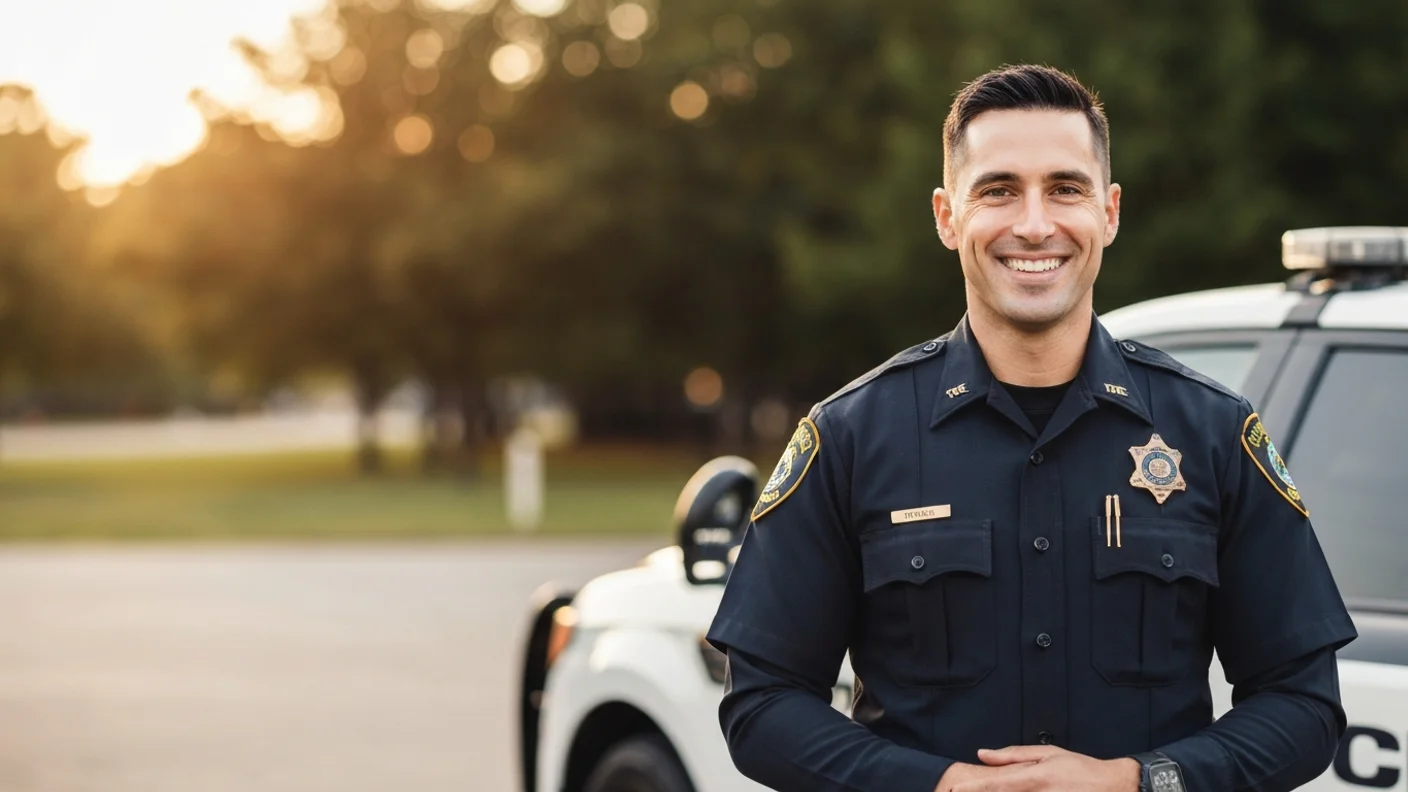
Police Practice Test
Updated for September 2026Getting ready for police entrance exams is key for those wanting to join law enforcement. The police practice test includes math, reading, grammar, and psychological tests. These tests help you get used to the exam style and boost your score.
There are many online tools and study guides to help with law enforcement exam preparation. They make sure aspiring police officers are ready for the assessment and recruit training.
Police Test Practice Test Questions
Prepare for the Police Test exam with our free practice test modules. Each quiz covers key topics to help you pass on your first try.
Police Test POLICE Community Relations
Police Test Exam Questions covering POLICE Community Relations. Master Police Test Test concepts for certification prep.
Police Test POLICE Ethical and Legal Compl...
Free Police Test Practice Test featuring POLICE Ethical and Legal Compliance. Improve your Police Test Exam score with mock test prep.
Police Test POLICE Operational Effectiveness
Police Test Mock Exam on POLICE Operational Effectiveness. Police Test Study Guide questions to pass on your first try.
Police Test POLICE Personnel and Training
Police Test Test Prep for POLICE Personnel and Training. Practice Police Test Quiz questions and boost your score.
Police Test Community Relations
Police Test Questions and Answers on Community Relations. Free Police Test practice for exam readiness.
Police Test Criminal Law
Police Test Mock Test covering Criminal Law. Online Police Test Test practice with instant feedback.
Police Test Patrol Procedures
Free Police Test Quiz on Patrol Procedures. Police Test Exam prep questions with detailed explanations.
Police Test Evidence and Investigation
Police Test Practice Questions for Police Test Evidence and Investigation. Build confidence for your Police Test certification exam.
Police Test Traffic Enforcement
Police Test Test Online for Police Test Traffic Enforcement. Free practice with instant results and feedback.
Key Takeaways
Free POLICE Practice Test Online
- Comprehensive preparation is essential for police entrance exams.
- Police practice tests cover math, reading comprehension, grammar, and psychological evaluation.
- Online resources and study guides can assist with exam preparation.
- Familiarizing with exam format and improving performance are key benefits of practice tests.
- Aspiring police officers must be well-equipped for the assessment and recruit training process.
Understanding Police Entrance Exam Components
Aspiring law enforcement officers face a tough police entrance exam. It tests a variety of skills. The goal is to pick the best candidates for police work.
Firefighter applicants in Canada can prepare with our free FAST Firefighter Aptitude and Skills Test practice — covering mechanical reasoning, mathematical skills, and situational judgment.
New Jersey residents applying for state and local government jobs can prepare with our free new jersey civil service — covering verbal ability, numerical ability, and civil service knowledge.
Pennsylvania law enforcement officers can prepare for Municipal Police Officers Education and Training Commission exams with our free MPOETC police officer certification practice test — covering criminal law, vehicle code, and use of force.
San Diego Police Department applicants also use the Police Officer Practice Test 2026 to prepare for written exam components covering law enforcement judgment and ethics.
| What is a Police practice test? | A Police practice test helps you preview common question types and improve timing. |
| What topics are on a Police written exam? | Most Police exams cover reading, writing, reasoning, and situational judgment. |
| Is a Police practice test the same as the academy test? | No, Police entry exams screen applicants, while academy tests assess training content. |
| Why do Police exams include situational judgment? | It measures decision-making, ethics, and priorities in realistic Police scenarios. |
| What are common Police age requirements? | Many agencies require at least 21, but rules vary by department. |
| Do I need a degree for a Police exam? | Some require college credits, while others accept a diploma or GED. |
| What background checks are used in Police hiring? | Most include criminal, employment, credit, and reference checks. |
| Do Police recruits need a fitness test? | Many departments require a fitness test before or after the written Police exam. |
| How long is the Police written exam? | Many Police exams take 1–3 hours, depending on sections. |
| Are Police exams multiple-choice? | Most Police entry tests use multiple-choice questions. |
| How are Police scores used? | Scores often rank candidates for interviews, lists, or academy placement. |
| What is a passing Police exam score? | Passing scores vary, but many use a cutoff percentage. |
| What is the average Police officer salary? | Police pay varies by location and typically increases with steps and tenure. |
| Do Police officers earn overtime? | Many Police roles include overtime that can raise total annual earnings. |
| What costs should I expect during Police hiring? | Costs may include testing fees, travel, document requests, or medical checks. |
| Are Police academy costs covered? | Many departments sponsor academy training, but policies differ by agency. |
| How do I study for the Police written exam? | Use timed Police practice tests and review mistakes by topic. |
| How many Police practice tests should I take? | Take multiple timed sets until your accuracy and pacing are consistent. |
| How can I improve Police reading comprehension? | Practice short passages and answer using only what the text states. |
| Can I retake a Police exam if I fail? | Many agencies allow retakes after a waiting period. |
- ✓Confirm your exam appointment and location
- ✓Bring required identification documents
- ✓Arrive 30 minutes early to check in
- ✓Read each question carefully before answering
- ✓Flag difficult questions and return to them later
- ✓Manage your time — don't spend too long on one question
- ✓Review flagged questions before submitting
Math and Arithmetic Skills Assessment
The police written test has a math section. It includes word problems about law enforcement. These tests your problem-solving and math skills. Being good at math is key. It helps with report writing, managing budgets, and making tactical decisions.
Reading Comprehension and Grammar
Good language skills are important for police exam study guide success. The exam tests your reading and grammar skills. These are crucial for writing reports, talking to the public, and understanding legal documents.
Psychological Evaluation Methods
The police hiring process includes a psychological evaluation. It checks your job-related behaviors and personality. This ensures you're emotionally and mentally strong enough for police work.
Managing your time well is key in the police entrance exam. Each part has a time limit. Good time management can greatly improve your score.
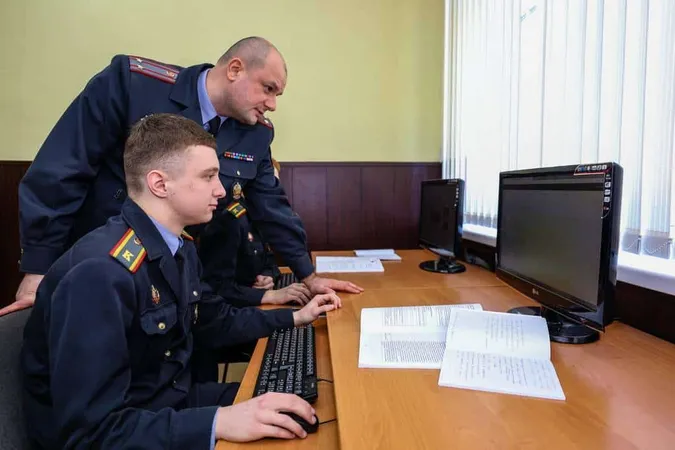
Police Practice Test: Essential Study Strategies
Aspiring police officers need to be well-prepared for the tough selection process. Good study habits are key to doing well in police practice tests. These tests check many skills and knowledge areas important for law enforcement careers.
It's important to practice with sample questions to get used to the test format and content. By doing practice tests, you can see your strong and weak areas. Use online resources and study guides made for police officer entrance exams to improve your skills.
Managing your time well is also crucial. Work on techniques to finish all parts of the test on time. Make sure you have enough time for each question. Also, keep up with the latest law enforcement trends and issues for situational judgment questions.
- Practice with sample questions to familiarize yourself with test formats and content.
- Identify and focus on weak areas through practice tests.
- Use online resources and study guides designed for police recruit testing.
- Develop time management strategies to complete the test within the time limit.
- Stay informed about recent police department assessment center trends and issues.
By using these key study strategies, you can get better at police academy readiness. This will help you do well in the competitive police officer entrance exams.
| Exam | Duration | Components |
|---|---|---|
| TSA Computer Based Test (TSA CBT) | Up to 2.5 hours | Approximately 60 English comprehension questions and around 100 X-ray image interpretation questions. |
| Criticall 911 Test | 1-3 hours | Decision making, data entry, map reading, call summarization, typing, cross-references, memory recall, sentence clarity, reading comprehension, mathematics, spelling, character checking, and probability. |
| POST Entry-Level Dispatcher Selection Test Battery | Varies | Verbal, logical reasoning, memory, and perceptual ability through 11 tests. |
| NYPD Police Communications Technician Exam | Varies | Written comprehension, written expression, memorization, problem sensitivity, and deductive and inductive reasoning. |
Critical Skills and Knowledge Areas for Success
To become a police officer, you need to master many skills and knowledge areas. You must be good at managing your time, taking tests well, and staying physically fit. These are key to doing well in the police department hiring process.
Time Management Techniques
Managing your time well is vital for police exams. You should practice how to pace yourself during police academy practice tests and police exam study guides. This helps you finish all questions on time. Learning to prioritize and manage your time can greatly improve your exam score.

Test-Taking Strategies
Knowing how to take tests is crucial for police test question banks. You should read each question carefully, rule out wrong answers, and guess when you must. Knowing the exam's format and structure boosts your confidence and composure.
Physical Preparation Tips
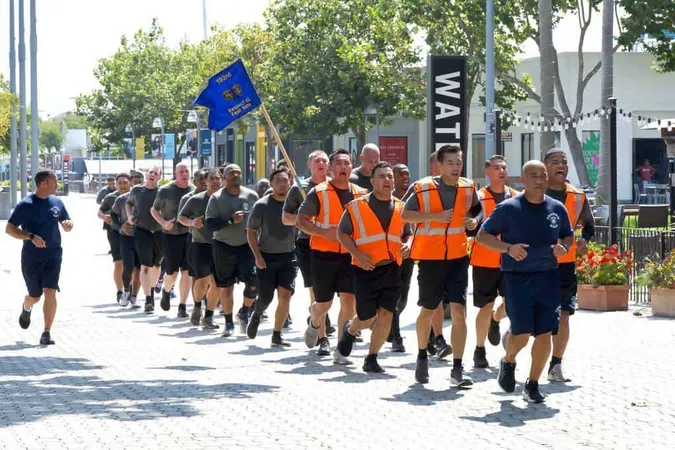
Many police department hiring processes include physical tests. It's key to prepare physically. You should check the specific needs of your target agency and train accordingly. This might mean improving your strength, endurance, and agility to meet the department's standards.
| Skill | Importance | Strategies |
|---|---|---|
| Time Management | Crucial for exam success |
|
| Test-Taking Strategies | Essential for navigating exams |
|
| Physical Preparation | Crucial for physical fitness assessments |
|
- +Validates your knowledge and skills objectively
- +Increases job market competitiveness
- +Provides structured learning goals
- +Networking opportunities with other certified professionals
- −Study materials can be expensive
- −Exam anxiety can affect performance
- −Requires dedicated preparation time
- −Retake fees apply if you don't pass
Police Test Questions and Answers
About the Author

Commercial Pilot & FAA Certification Specialist
Embry-Riddle Aeronautical UniversityCaptain Jennifer Walsh graduated with honors in Aerospace Engineering from Embry-Riddle Aeronautical University and holds FAA Airframe & Powerplant and Airline Transport Pilot certificates. With 11 years of commercial aviation experience and 6 years as a ground school instructor, she guides aviation mechanics and student pilots through FAA written exams and practical tests.