

Histology Certification Practice Test
Updated for October 2026The histology certification test is a key tool in medical diagnostics. It gives healthcare professionals deep insights into tissue composition and structure. This test looks closely at cells, revealing important details for diagnosis and treatment.
At the core of histology is the detailed analysis of tissue samples. These samples are often taken through different methods. By studying these samples under a microscope, experts can spot even the smallest abnormalities. This helps them track and understand diseases like cancer and inflammation.
Free Histology Practice Test Online
In pathology, knowing how cells work is essential. The histology certification test is a critical tool for this. It not only shows what tissues are made of but also helps find the causes of diseases. This information helps doctors make better decisions and create more effective treatment plans.
Histology Certification Practice Test Questions
Prepare for the Histology Certification exam with our free practice test modules. Each quiz covers key topics to help you pass on your first try.
Histology Certification Histology Career a...
Histology Certification Exam Questions covering Histology Career and Professional Growth. Master Histology Certification Test concepts for certification prep.
Histology Certification Cellular Structures
Free Histology Certification Practice Test featuring Cellular Structures. Improve your Histology Certification Exam score with mock test prep.
Histology Certification Histology Credenti...
Histology Certification Mock Exam on Histology Credential Process. Histology Certification Study Guide questions to pass on your first try.
Histology Certification Histology Educatio...
Histology Certification Test Prep for Histology Educational Pathways. Practice Histology Certification Quiz questions and boost your score.
Histology Certification Histology Renewal ...
Histology Certification Questions and Answers on Histology Renewal and Revalidation. Free Histology Certification practice for exam readiness.
Histology Certification Laboratory Safety
Histology Certification Mock Test covering Laboratory Safety. Online Histology Certification Test practice with instant feedback.
Histology Certification Microscopy Techniques
Free Histology Certification Quiz on Microscopy Techniques. Histology Certification Exam prep questions with detailed explanations.
Histology Certification Organ Histology
Histology Certification Practice Questions for Organ Histology. Build confidence for your Histology Certification certification exam.
Histology Certification Pathological Changes
Histology Certification Test Online for Pathological Changes. Free practice with instant results and feedback.
Histology Certification Quality Control an...
Histology Certification Study Material on Quality Control and Quality Assurance. Prepare effectively with real exam-style questions.
Histology Certification Specimen Preparation
Free Histology Certification Test covering Specimen Preparation. Practice and track your Histology Certification exam readiness.
Key Takeaways
- Histology tests offer in-depth analysis of cellular structure and composition
- These tests play a crucial role in pathological diagnosis and disease monitoring
- Tissue sampling and microscopic examination are essential components of histology
- Understanding cell function is crucial for informed decision-making in healthcare
- Histology tests help personalized treatment approaches based on accurate diagnoses
Understanding the Fundamentals of Histology Cerification Test Procedures
Histology Certification is key in pathology diagnostics. It involves biopsy evaluation and tissue sampling. Knowing these basics is vital for doctors. We’ll look at tissue sampling methods, lab tools, and how to prepare specimens.
- ✓Confirm your exam appointment and location
- ✓Bring required identification documents
- ✓Arrive 30 minutes early to check in
- ✓Read each question carefully before answering
- ✓Flag difficult questions and return to them later
- ✓Manage your time — don't spend too long on one question
- ✓Review flagged questions before submitting
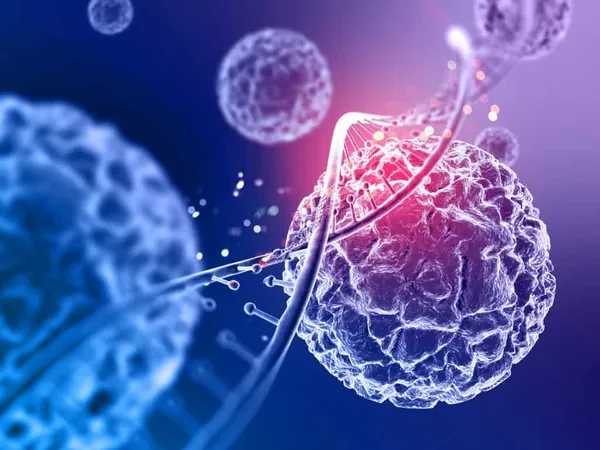
Types of Tissue Sampling Methods
Tissue sampling starts the histology process. There are a few main ways to do it:
- Biopsy: A small tissue sample is taken, usually with a needle or surgery.
- Surgical resection: A bigger piece of tissue is removed during surgery for histopathology analysis.
Essential Laboratory Equipment for Histological Analysis
Doing histology cerification tests needs special lab tools, like:
- Microtome: Cuts thin tissue sections for looking under a microscope.
- Tissue processor: Automates dehydration, clearing, and waxing steps in specimen preparation.
- Embedding station: Helps put tissue samples in paraffin wax correctly.
- Staining instruments: Helps apply stains to show cell details for analysis.
Specimen Preparation and Processing Techniques
After getting the tissue sample, it goes through steps for microscopic viewing:
- Fixation: Preserves the tissue in a fixative to keep cells intact.
- Embedding: Infiltrates the tissue with paraffin wax and solidifies it for sectioning.
- Sectioning: Slices the wax-embedded tissue thinly for staining and analysis.
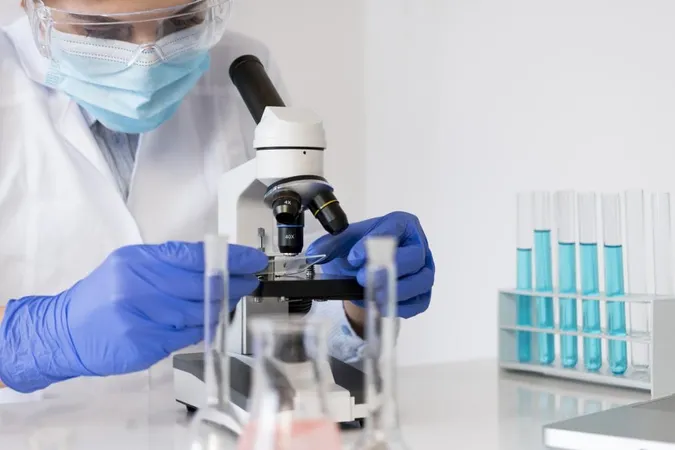
Knowing histology basics helps doctors do accurate tissue sampling, efficient specimen preparation, and reliable histopathology results. This leads to better care for patients.

Advanced Cell Structure Analysis and Staining Methods
Histological analysis has grown beyond old methods. Now, it uses advanced techniques to explore cell details. Histochemistry and immunohistochemistry are key tools for studying cells closely.
Histochemistry helps find and study biomolecules in cells. This includes enzymes, carbohydrates, and lipids. It shows how cells work and what they do.
Immunohistochemistry uses antibodies to find specific proteins in cells. It helps understand how these proteins work in health and sickness. It’s a big help in diagnosing diseases like cancer.
Frozen sections are also important for quick diagnosis. They let doctors look at tissues right away. This is very useful during surgeries, helping make decisions fast.
Histology Certification: Pros and Cons
- +Histology Certification certification validates expertise recognized by employers nationwide
- +Certified professionals typically earn 15-20% higher salaries
- +Opens doors to advanced positions and leadership roles
- +Demonstrates commitment to professional standards and ethics
- +Builds a strong professional network through certification communities
- −Exam preparation typically requires 2-4 months of dedicated study
- −Certification and exam fees can range from $150-$500+
- −Must complete continuing education to maintain active certification
- −Pass rates vary — thorough preparation is essential for success
- −Some certifications require prerequisite experience or education
Pros and Cons at a Glance
| Pros | Cons |
|---|---|
| Histology Certification certification validates expertise recognized by employers nationwide | Must complete continuing education to maintain active certification |
| Opens doors to advanced positions and leadership roles | Pass rates vary — thorough preparation is essential for success |
| Demonstrates commitment to professional standards and ethics | Some certifications require prerequisite experience or education |
Sample Histology Certification Practice Questions
Try these questions from our free Histology Certification practice tests. The correct answer and an explanation follow each question.
Which connective tissue cell is responsible for synthesizing the extracellular matrix components including collagen and ground substance?
- A. Macrophage
- B. Mast cell
- C. Fibroblast
- D. Plasma cell
Answer: C. Fibroblast
Fibroblasts are the primary cells of connective tissue proper, responsible for synthesizing collagen fibers and ground substance.
The portal triad of the liver classically contains which three structures?
- A. Portal vein branch, hepatic artery branch, bile ductule
- B. Central vein, sinusoid, space of Disse
- C. Hepatic vein, lymphatic vessel, nerve
- D. Kupffer cell, Ito cell, hepatocyte
Answer: A. Portal vein branch, hepatic artery branch, bile ductule
Each portal triad contains a branch of the portal vein, hepatic artery, and bile ductule embedded in loose connective tissue.
Which job title is typically associated with someone who prepares tissue samples for analysis by a pathologist?
- A. Radiology Technician
- B. Histotechnician (HT)
- C. Medical Coder
- D. Microbiologist
Answer: B. Histotechnician (HT)
A Histotechnician (HT) is the specific job title for a professional trained to prepare tissue samples for analysis. Their responsibilities include the entire process from receiving specimens to embedding, sectioning, and staining, ensuring the samples are ready for a pathologist's microscopic examination. This role is crucial in the diagnostic process, providing the pathologist with high-quality slides.
Mast cells in connective tissue are functionally important because they:
- A. Synthesize collagen fibers during wound healing
- B. Store and release histamine and heparin during immune responses
- C. Phagocytose bacteria and cellular debris
- D. Produce antibodies
Answer: B. Store and release histamine and heparin during immune responses
Mast cells contain granules with histamine and heparin, which are released during allergic reactions and inflammation.
Histology Certification Questions and Answers
About the Author

Medical Laboratory Scientist & Clinical Certification Expert
Johns Hopkins UniversityDr. Sandra Kim holds a PhD in Clinical Laboratory Science from Johns Hopkins University and is certified as a Medical Technologist (MT) and Medical Laboratory Scientist (MLS) through ASCP. With 16 years of clinical laboratory experience spanning hematology, microbiology, and molecular diagnostics, she prepares candidates for ASCP board exams, MLT, MLS, and specialist certification tests.