
G60 Test: Torch Use of Flammable Gases Certification 2026 October
g60 practice test with 100+ questions on gas welding, 📝 torch operation, safety procedures, and PPE requirements for your certification exam. Start
G60 Practice Test Questions
Prepare for the G60 - Certificate of Fitness for Torch Use of Flammable Gases exam with our free practice test modules. Each quiz covers key topics to help you pass on your first try.
G60 Basic Codes & Regulations
G60 Exam Questions covering Basic Codes & Regulations. Master G60 Test concepts for certification prep.
G60 Environmental Considerations
Free G60 Practice Test featuring Environmental Considerations. Improve your G60 Exam score with mock test prep.
G60 Industrial Safety Protocols and Risk A...
G60 Mock Exam on Industrial Safety Protocols and Risk Assessment. G60 Study Guide questions to pass on your first try.
G60 Emergency Response
G60 Test Prep for Emergency Response. Practice G60 Quiz questions and boost your score.
G60 Equipment Inspection and Maintenance
G60 Questions and Answers on Equipment Inspection and Maintenance. Free G60 practice for exam readiness.
G60 Fire Prevention
G60 Mock Test covering Fire Prevention. Online G60 Test practice with instant feedback.
G60 Fire Safety Regulations and Permit Req...
Free G60 Quiz on Fire Safety Regulations and Permit Requirements. G60 Exam prep questions with detailed explanations.
G60 Gas Safety Fundamentals
G60 Practice Questions for Gas Safety Fundamentals. Build confidence for your G60 certification exam.
Key Takeaways
- The G60 certification is a must for those who work with torches and flammable gases in many industries.
- The test focuses on important fire safety rules, how to use torches, and handling flammable gases safely to keep the workplace safe.
- Both employers and workers must follow safety rules and assess risks to avoid fires and accidents.
- Passing the test and showing you’re good at torch safety and handling flammable gases is key to getting certified.
- Keeping up with the latest in fire safety training and permits is vital for a safe and compliant work area.
Fire Safety Regulations and Permit Requirements
Understanding the G60 (Certificate of Fitness for Torch Use of Flammable Gases) Test
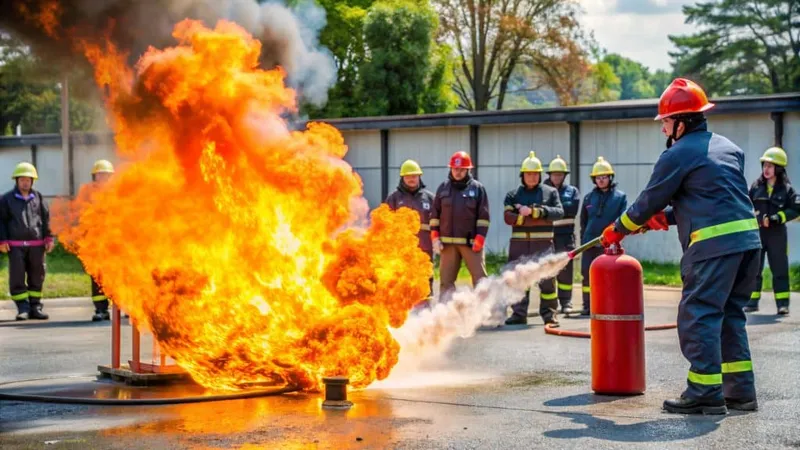
The G60 certification is key for those who work with torches and flammable gases. It shows they know the fire safety regulations and permit requirements needed for safe work. This certification is vital for their job. Workers preparing for certification may also benefit from our NCCER practice test.
To get the G60 certification, one must know about fire prevention measures, fire safety training, and fire watch requirements. They also need to understand hot work permit requirements and how to store combustible materials safely. Plus, they must follow ventilation guidelines.
Industrial Safety Protocols and Risk Assessment
The G60 test checks if someone knows industrial safety protocols and can do a risk assessment. They must spot hazards, set up emergency response procedures, and stick to safety guidelines. This helps reduce risks when using torches and handling flammable gases.
| Key Requirements for G60 Certification | Description |
|---|---|
| Fire Safety Regulations and Permit Requirements | Demonstrating knowledge of fire prevention measures, fire safety training, fire watch requirements, hot work permit requirements, and proper storage of combustible materials. |
| Industrial Safety Protocols and Risk Assessment | Understanding industrial safety protocols, conducting risk assessments, identifying hazards, and implementing emergency response procedures. |
Free G60 Practice Test to Pass Your Certificate of Fitness Exam
This G60 practice test covers the exact topics tested on the FDNY Certificate of Fitness examination for the storage and use of portable torches with flammable gases. Each question addresses real exam content including safe handling of acetylene and oxygen cylinders, proper storage distances, leak testing procedures, and emergency shutdown protocols. Working through a full-length G60 practice test before your scheduled exam date helps you identify weak areas in fire safety regulations and gas cylinder operation that require further study.
What Topics the G60 Practice Test Covers
The practice questions focus on FDNY rules for torch operations, including maximum cylinder storage quantities, required ventilation in work areas, flashback arrestor requirements, and proper purging procedures before lighting a torch. You should also expect questions on fire guard duties, hot work permit requirements, and the minimum distances required between cylinders and ignition sources as specified in FDNY regulations and NFPA standards.
Practical Examination and Torch Safety Procedures
Preparing for the G60 Examination
To pass the G60 examination, you need to know both the theory and practice of torch safety and handling flammable gases. You must be good at oxy-fuel cutting, gas cutting, and using gas torches safely. Understanding welding safety and what you need for certification will help you do well in the G60 examination.
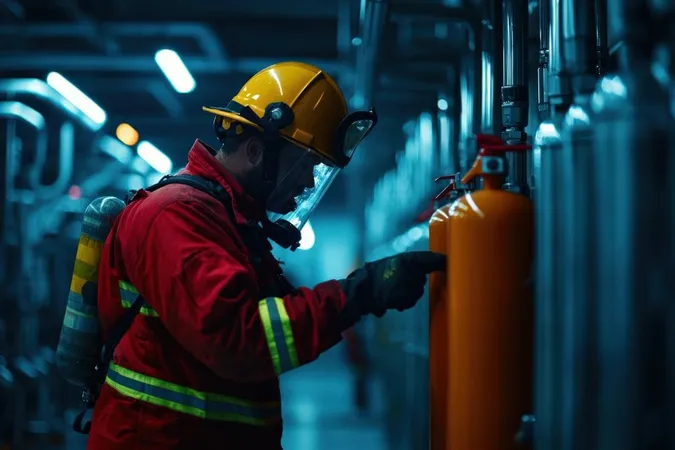
The practical part of the G60 test checks if you can use torches and flammable gases safely. You’ll learn how to light, adjust, and turn off the torch right. You’ll also learn about safety steps during cutting or welding. It’s important to know about the safety gear you need and how to prevent fires and act in emergencies.
Flammable Gas Handling and Welding Equipment Guidelines
Getting ready for the G60 test means knowing how to handle flammable gases and welding tools. You should know the different gases used in welding and how to store, move, and get rid of them safely. You also need to be good at setting up, keeping up, and fixing welding equipment. This makes sure you follow safety rules and standards.
Sample Certificate of Fitness for Torch Use of Flammable Gases Practice Questions
Try these questions from our free Certificate of Fitness for Torch Use of Flammable Gases practice tests. The correct answer and an explanation follow each question.
Which type of fire extinguisher is required to be immediately available during torch operations involving flammable gases?
- A. Dry chemical ABC extinguisher
- B. Water-based extinguisher only
- C. CO2 extinguisher rated D class
- D. Sand bucket only
Answer: A. Dry chemical ABC extinguisher
A dry chemical ABC-rated extinguisher is the required type at torch work sites because it is effective against the range of fire classes likely to occur.
Which agency has primary jurisdiction over workplace safety violations related to torch use of flammable gases in New York City?
- A. NYC Department of Buildings (DOB)
- B. NYC Department of Sanitation
- C. NYC Department of Transportation
- D. NYC Department of Consumer Affairs
Answer: A. NYC Department of Buildings (DOB)
The NYC Department of Buildings has primary jurisdiction over construction and demolition activities including torch use safety violations.
Under FDNY regulations, a Certificate of Fitness for torch operations is required when using flammable gases in which setting?
- A. Only in residential buildings
- B. Any building or structure under FDNY jurisdiction
- C. Exclusively on outdoor construction sites
- D. Only in buildings over 10 stories
Answer: B. Any building or structure under FDNY jurisdiction
The FDNY C of F for torch use applies to any building or structure within FDNY jurisdiction, not limited to specific building types or heights.
Which of the following flammable gases is most commonly associated with torch cutting operations covered by the G60?
- A. Hydrogen
- B. Acetylene
- C. Methane
- D. Butane
Answer: B. Acetylene
Acetylene is the most common fuel gas used in oxy-acetylene cutting torches, making it central to G60 certificate scope.
Take the full Certificate of Fitness for Torch Use of Flammable Gases practice test
📝 How many questions are on the FDNY G-60 exam?
The G-60 exam has 35 multiple-choice questions on a touch-screen computer, with a 53-minute time limit. You need a score of at least 70% to get the Certificate of Fitness.
START G60 CODES PRACTICE TEST💵 How much does the G-60 Certificate of Fitness cost?
The application and exam fee is $25 and is non-refundable. The certificate is renewed every three years for $15. If you fail, you must apply and pay again to retest.
START G60 PERMITS PRACTICE TEST📍 Where do you take the G-60 test in NYC?
The exam is given only on computer at FDNY Headquarters, 9 MetroTech Center, Brooklyn. You apply and pay online first, and there is no alternative issuance route for the G-60.
START G60 CODES PRACTICE TEST🔥 How long must a fire watch last after hot work?
A fire watch must stay for at least 30 minutes after hot work stops, and FDNY or the responsible person can extend it. The fire watch must have no other duties while watching.
START G60 FIRE PREVENTION PRACTICE TEST📏 How far must combustibles be from cutting or welding?
Cutting and welding must be done at least 35 feet from combustible material. Other hot work must be at least 25 feet away, unless the combustibles are protected as the Fire Code requires.
START G60 FIRE PREVENTION PRACTICE TEST⚠️ What is the maximum safe acetylene pressure?
Acetylene must never be used above 15 psi, because it can decompose explosively. The acetylene cylinder valve should be opened no more than about 1½ turns, and preferably no more than ¾ turn.
START G60 GAS SAFETY PRACTICE TEST💥 What is a flashback on an oxy-fuel torch?
A flashback is flame burning back inside the torch or hoses, usually with a whistling or hissing sound. Close the torch valves, then the fuel gas cylinder valve, and repair the equipment before reuse.
START G60 TORCH OPERATION PRACTICE TEST🧯 What fire extinguisher is required for hot work?
At least one portable extinguisher rated 2-A:20-B:C must be within 30 feet of the hot work. Torch-applied roofing operations need a minimum 3-A:40-B:C rating.
START G60 EMERGENCY RESPONSE PRACTICE TEST🛢️ How far must stored oxygen and fuel cylinders be from combustibles?
Stored fuel gas and oxygen cylinders must be at least 20 feet from combustible materials. Oxygen must never contact oil, grease or other petroleum-based products.
START G60 GAS SAFETY PRACTICE TEST🫧 How do you check a torch setup for gas leaks?
Brush or spray a soap and water solution on each connection; bubbles mean a leak. If a cylinder leak cannot be stopped, close its valve, take it out of service and return it to the supplier.
START G60 EQUIPMENT PRACTICE TESTG60 Practice Test Questions and Answers
Official Resources
- FDNY Certificate of Fitness G-60 – the Fire Department of the City of New York page that defines which torch operations require a G-60 holder.
- FDNY G-60 Notice of Exam and Study Material (PDF) – the official booklet the exam is based on, including the 35-question format, 53-minute limit and 70% passing score.
- NYC Business: Certificate of Fitness for Torch Use of Flammable Gases (G-60) – the City’s guide to applying, the $25 fee, required documents and three-year renewal.
About the Author
ASE Master Technician & Automotive Certification Trainer
Universal Technical InstituteTony Garza is an ASE Master Technician certified across all eight automotive service areas, with a Bachelor of Science in Automotive Technology from Universal Technical Institute. He has 22 years of shop experience and 9 years teaching ASE certification prep courses. Tony specializes in engine performance, electrical systems, and transmission diagnostics for certification candidates.