
EAS (Emergency Alert System) Test | Learn All About It
EAS (Emergency Alert System Test) Practice Test 2026 FREE Ace in 3 Days — 1,162+ Questions with instant results & real exam explanations
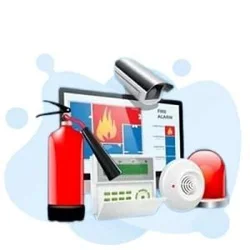
The Emergency Alert System (EAS) warns the public about emergencies. It lets government officals send important emergency information. This system needs radio and TV stations, cable companies, and more to help the President speak to us quickly if there’s a national emergency.
The EAS is crucial for keeping us safe and informed. It sends out public safety alerts and warning signals when we’re in danger. It’s run by FEMA, FCC, and NOAA. This system works even if the internet is down.
EAS Practice Test Questions
Prepare for the EAS - Emergency Alert System Test exam with our free practice test modules. Each quiz covers key topics to help you pass on your first try.

EAS Alert Codes and Messages
EAS Exam Questions covering EAS Alert Codes and Messages. Master EAS Test concepts for certification prep.
Start FREE Test
EAS Alert Codes and Message Structure
Free EAS Practice Test featuring EAS Alert Codes and Message Structure. Improve your EAS Exam score with mock test prep.
Start FREE Test
EAS Broadcast Roles and Responsibilities
EAS Mock Exam on EAS Broadcast Roles and Responsibilities. EAS Study Guide questions to pass on your first try.
Start FREE Test
EAS Equipment and Technology
EAS Test Prep for EAS Equipment and Technology. Practice EAS Quiz questions and boost your score.
Start FREE Test
EAS Event Codes and Area Designations
EAS Questions and Answers on EAS Event Codes and Area Designations. Free EAS practice for exam readiness.
Start FREE Test
EAS History and Legislation
EAS Mock Test covering EAS History and Legislation. Online EAS Test practice with instant feedback.
Start FREE Test
EAS Integration and Interoperability
Free EAS Quiz on EAS Integration and Interoperability. EAS Exam prep questions with detailed explanations.
Start FREE Test
EAS Roles and Responsibilities
EAS Practice Questions for EAS Roles and Responsibilities. Build confidence for your EAS certification exam.
Start FREE Test
EAS State and Local Plans
EAS Test Online for EAS State and Local Plans. Free practice with instant results and feedback.
Start FREE Test
EAS Testing Procedures
EAS Study Material on EAS Testing Procedures. Prepare effectively with real exam-style questions.
Start FREE Test
EAS Fundamentals
Free EAS Test covering Fundamentals. Practice and track your EAS exam readiness.
Start FREE Test
EAS Operations and Regulations
EAS Exam Questions covering Operations and Regulations. Master EAS Test concepts for certification prep.
Start FREE TestKey Takeaways
Free EAS Practice Test Online
- The EAS is a national public warning system that enables authorities to deliver urgent emergency information to the public.
- FEMA, FCC, and NOAA are responsible for implementing, maintaining, and operating the EAS at the federal level.
- The EAS is designed to function as a redundant, multi-platform alerting system in emergencies.
- Nationwide EAS tests are conducted regularly to assess the system’s readiness and effectiveness.
- EAS Participants, including broadcasters and cable providers, are mandated to participate in these national tests.
What is the EAS?
Introduction to the Emergency Alert System (EAS)
The Emergency Alert System (EAS) is key for sharing vital emergency info. It includes things like weather alerts and AMBER alerts. State and local authorities use it to tell people fast about crises or threats.
The EAS makes sure people hear urgent messages quickly. It involves radio and TV broadcasters, cable TV, and more. They have to let the President speak to all Americans within ten minutes if there’s a big national problem. This doesn’t just happen; they work hard to make sure the system is ready when needed.
Purpose and Importance of the EAS
The EAS is all about spreading emergency alerts when people need them most. Its job is to keep everyone safe by sharing info on natural disasters, acts of terrorism, and other dangers. It’s a big part of how the country gets ready and handles tough situations.
Agencies Involved in the EAS
Many federal groups help keep the EAS emergency alert system working. The Federal Communications Commission (FCC) sets up the rules and checks that things run right. The Federal Emergency Management Agency (FEMA) does big tests and makes sure the system is ready. On top of that, people who need to send alerts use FEMA’s system, called IPAWS.

Purpose of the National EAS Test
EAS (Emergency Alert System) Test
The EAS tests are nationwide. They check if the system works well without the internet. Thanks to the IPAWS Modernization Act of 2015, FEMA does these tests every three years. This helps make sure the President can alert us all in case of big dangers.
EAS tests aim to see if the system is ready to share important messages nationally. They check if the setup needs any improvements. The tests make sure the system can quickly and well warn us about dangers like natural disasters or terrorism.
Testing Process and Coordination
FEMA, the FCC, and many others work closely to prepare and review these tests. After each test, they make a plan to better the warning system. This teamwork improves alerts for our safety.
Previous National EAS Tests
The latest EAS test was on August 11th, 2026. It was the sixth test. Before that, tests happened in 2011, 2016 and 2017, 2018, and 2019. The 2026 test was about one minute long and was in English and Spanish.
What to Expect During the Test
In the EAS test, expect to see warnings on TV, radio, and your phone. It checks how well we receive and understand alerts. This procedure is vital for keeping us safe.

EAS Alert Distribution and Rebroadcasting
How the EAS Works
The Emergency Alert System (EAS) helps spread emergency alerts across the US. It lets people know about dangers. These warnings are based on a clear set of rules by the FCC. When a danger is identified at the local, state, or national level, it’s sent through the EAS. This is done by using special equipment. Then, radio and TV stations, and others, broadcast these alerts. This is to make sure everyone can hear and be safe.
TV, radio, and other providers keep an ear out for these alerts. They watch the main stations for any news about dangers. When they hear it, they share it again with everyone in their area. This way, the safety news spreads far and wide. Even folks who might not hear the first broadcast can get the message.
Types of Alerts and Emergencies
The EAS can send many types of alerts. From alerts about safety, weather, and missing children to practice drills. A lot of communication methods work together to get these warnings out. With radio, TV, and more on board, the EAS can alert the whole country fast. Everyone can get the news when it’s a test or a real crisis.
(EAS) Emergency Alert System Test Questions and Answers
About the Author
Certified Professional Development Expert & Niche Certification Advisor
University of Pennsylvania Graduate School of EducationDr. Alexandra Kim holds a PhD in Professional Studies from the University of Pennsylvania and is a Certified Professional in Learning and Performance (CPLP) and Certified Professional in Talent Development (CPTD). With 17 years of corporate training and professional certification advisory experience, she helps professionals navigate specialized, emerging, and cross-industry certification programs.