

CFL Practice Test
Updated October 2026Facts verified Oct 21, 2026 against International Association of Investigative Locksmiths (IAIL), a division of ALOA Security Professionals Association
As security breaches and property crimes continue to rise, the demand for professionals skilled in forensic investigation has grown significantly. The CFL (Certified Forensic Locksmith) credential provides locksmiths with specialized skills to analyze locks and security systems for evidence of tampering, forced entry, and other security violations. This certification, offered by the International Association of Investigative Locksmiths (IAIL), validates the expertise of locksmiths who work alongside law enforcement, insurance companies, and private security firms to investigate suspicious incidents involving locks and access control systems. Practice with the free Certified Forensic Locksmith practice test on PracticeTestGeeks (9 questions with answer explanations).
- A Certified Forensic Locksmith (CFL) certification stays valid for three years and must then be recertified through IAIL. (International Association of Investigative Locksmiths (IAIL), a division of ALOA Security Professionals Association)
- The IAIL Certified Forensic Locksmith (CFL) credential must be recertified every three years. (International Association of Investigative Locksmiths (IAIL), a division of ALOA Security Professionals Association)
- Candidates for the Certified Forensic Locksmith (CFL) exam must meet specific criteria and be approved by the CFL Committee of the International Association of Investigative Locksmiths (IAIL) before they can sit for the exam. (International Association of Investigative Locksmiths (IAIL), a division of ALOA Security Professionals Association)
Facts verified Oct 21, 2026 against International Association of Investigative Locksmiths (IAIL), a division of ALOA Security Professionals Association. Dates that have passed are removed automatically.
CFL Exam at a Glance
| Item | Detail | Official source |
|---|---|---|
| Validity | Valid for 3 years | International Association of Investigative Locksmiths (IAIL), a division of ALOA Security Professionals Association |
| Renewal | Recertification every 3 years | International Association of Investigative Locksmiths (IAIL), a division of ALOA Security Professionals Association |
| Eligibility | Candidates must be approved by the IAIL CFL Committee before testing | International Association of Investigative Locksmiths (IAIL), a division of ALOA Security Professionals Association |
Facts verified Oct 21, 2026 against International Association of Investigative Locksmiths (IAIL), a division of ALOA Security Professionals Association. Dates that have passed are removed automatically.
Free Certified Forensic Locksmith Study Tools
Interactive Certified Forensic Locksmith resources on PracticeTestGeeks, free to start:
- CFL Lock Identification & Key Systems 1 — 9 questions with answer explanations
- Certified Forensic Locksmith flashcards — review key terms and concepts card by card
- Certified Forensic Locksmith study guide — topic-by-topic overview of what the exam covers
- Certified Forensic Locksmith cheat sheet — one-page printable summary for last-minute review
CFL Practice Test Questions
Prepare for the CFL - Certified Forensic Locksmith exam with our free practice test modules. Each quiz covers key topics to help you pass on your first try.
CFL Automotive Security & Vehicle Lock For...
CFL Exam Questions covering Automotive Security & Vehicle Lock Forensics. Master CFL Test concepts for certification prep.
CFL Industry Standards
Free CFL Practice Test featuring CFL Industry Standards. Improve your CFL Exam score with mock test prep.
CFL Professional Development
CFL Mock Exam on CFL Professional Development. CFL Study Guide questions to pass on your first try.
CFL Quality & Compliance
CFL Test Prep for CFL Quality & Compliance. Practice CFL Quiz questions and boost your score.
CFL Crime Scene Investigation Procedures
CFL Questions and Answers on Crime Scene Investigation Procedures. Free CFL practice for exam readiness.
CFL Electronic Security Forensics
CFL Mock Test covering Electronic Security Forensics. Online CFL Test practice with instant feedback.
CFL Expert Testimony & Documentation
Free CFL Quiz on Expert Testimony & Documentation. CFL Exam prep questions with detailed explanations.
CFL Forensic Analysis & Evidence Handling
CFL Practice Questions for Forensic Analysis & Evidence Handling. Build confidence for your CFL certification exam.
CFL Key & Lock Examination
CFL Test Online for Key & Lock Examination. Free practice with instant results and feedback.
CFL Legal & Ethical Considerations in Fore...
CFL Study Material on Legal & Ethical Considerations in Forensics. Prepare effectively with real exam-style questions.
CFL Lock Identification & Key Systems
Free CFL Test covering Lock Identification & Key Systems. Practice and track your CFL exam readiness.
CFL Physical Security Assessment & Vulnera...
CFL Exam Questions covering Physical Security Assessment & Vulnerability Analysis. Master CFL Test concepts for certification prep.
CFL Safe & Vault Technologies
Free CFL Practice Test featuring Safe & Vault Technologies. Improve your CFL Exam score with mock test prep.
Key Takeaways
Free CFL Practice Test Online
- Certified Forensic Locksmith (CFL) is a specialized credential for professionals investigating lock and security system tampering in criminal or insurance cases.
- Career Benefits: CFL certification enhances credibility and opens doors to specialized roles in law enforcement, insurance, and private security.
- Salary Expectations: Salaries for forensic locksmiths vary but generally offer competitive wages based on experience, location, and expertise.
- Training Requirements: Proper training in forensic locksmithing techniques, crime scene investigation, and legal aspects of evidence handling is essential for certification.
- Job Outlook: Certified forensic locksmiths are in demand for roles in law enforcement, insurance investigations, and private security firms.
Understanding the Certified Forensic Locksmith (CFL) Certification
The CFL (Certified Forensic Locksmith) credential is a specialized certification offered by the International Association of Investigative Locksmiths (IAIL). This certification focuses on training locksmiths to analyze locks, safes, and security devices for forensic evidence of tampering. The certification process requires applicants to complete a series of training modules, hands-on experience, and a final examination. Upon earning the CFL credential, locksmiths gain recognized expertise in identifying, analyzing, and preserving evidence related to forced entry, key bumping, lock manipulation, and other security breaches.
Forensic Locksmith Salary: Potential Earnings
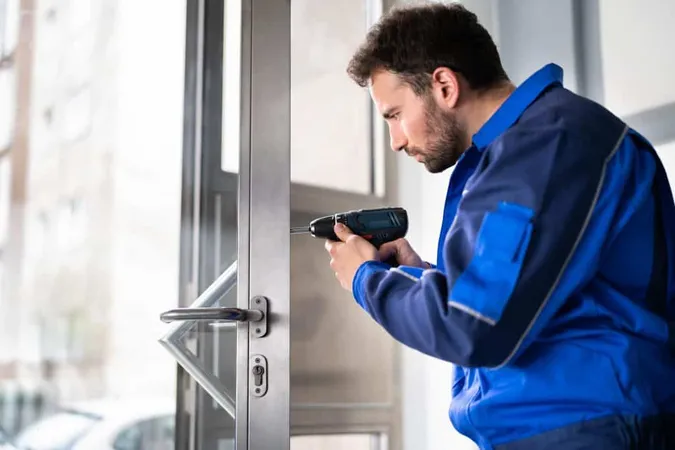
Becoming a CFL (Certified Forensic Locksmith) can positively impact salary potential. Forensic locksmiths generally earn higher wages than general locksmiths due to their specialized skills. Although salaries can vary significantly based on factors like location, experience, and the employing organization, most CFLs find opportunities with law enforcement agencies, insurance firms, or as independent consultants.
The average salary for a forensic locksmith ranges from $50,000 to $80,000 per year, with top earners in specific locations and roles exceeding $100,000 annually. Certified forensic locksmiths who work as independent consultants can also command premium rates, particularly when assisting with complex cases involving insurance claims, criminal investigations, and corporate security.
Forensic Locksmith Training: Pathway to Certification
To achieve CFL (Certified Forensic Locksmith) status, applicants must complete specialized forensic locksmithing training, which combines theoretical knowledge with hands-on skills. Training covers:
- Lock Manipulation and Security Device Assessment: Identifying signs of tampering and analyzing evidence of forced entry.
- Crime Scene Investigation Techniques: Understanding procedures for handling, documenting, and preserving evidence.
- Legal and Ethical Standards: Adhering to protocols in evidence collection and ensuring chain of custody for use in court.
Most training programs for forensic locksmiths are conducted through reputable institutions or professional organizations such as the International Association of Investigative Locksmiths (IAIL). The training may last several weeks or months, depending on the depth and structure of the program. Certification often requires additional study and practical assessments to ensure that candidates are fully equipped to handle real-world cases.
Forensic Locksmith Certification: Process and Requirements
Achieving the CFL (Certified Forensic Locksmith) credential involves several steps. Applicants must typically:
- Complete Required Training: Training focuses on advanced lock analysis, security system tampering, and forensic investigation methods.
- Pass the CFL Examination: The exam assesses candidates’ knowledge of forensic locksmithing techniques, crime scene investigation, and legal standards.
- Demonstrate Hands-on Skills: Candidates are often required to showcase their ability to identify tampering in locks and other security devices.
The certification process is rigorous, ensuring that only qualified professionals achieve the CFL designation. Additionally, certified forensic locksmiths must complete continuing education to maintain their credentials, staying up-to-date with evolving techniques and technologies in the field.
Career Opportunities for Forensic Locksmiths
CFL (Certified Forensic Locksmith) have a diverse range of job opportunities due to their specialized skill set. Common positions for CFLs include:
- Law Enforcement Agencies: Assisting in criminal investigations involving break-ins, lock tampering, and other security breaches.
- Insurance Companies: Investigating claims related to forced entry or security system failures in property insurance cases.
- Private Security Firms: Providing consulting services to enhance the security of high-risk facilities and prevent unauthorized access.
- Independent Consultants: Working on a contract basis to provide forensic analysis for private investigations, legal cases, or corporate security assessments.
The demand for forensic locksmiths is growing as security threats and break-ins continue to rise. Certified forensic locksmiths are uniquely equipped to assess these incidents, making them valuable assets to both public and private organizations.
Conclusion
The CFL (Certified Forensic Locksmith) credential is a respected qualification that provides locksmiths with advanced forensic investigation skills. By completing specialized training and certification, forensic locksmiths gain expertise in analyzing and preserving evidence related to lock tampering, forced entry, and other security breaches. The CFL designation opens doors to rewarding career paths in law enforcement, insurance investigations, and private security consulting, where their skills are increasingly valuable. With a growing demand for security and fraud investigations professionals, obtaining CFL certification offers both career stability and growth potential in this specialized field.
- +Industry-recognized credential boosts your resume
- +Higher earning potential (10-20% salary increase on average)
- +Demonstrates commitment to professional development
- +Opens doors to advanced career opportunities
- −Exam preparation requires significant time investment (4-8 weeks)
- −Certification fees can be $100-$400+
- −May require continuing education to maintain
- −Some employers may not require certification
Sample Certified Forensic Locksmith Practice Questions
Try these questions from our free Certified Forensic Locksmith practice tests. The correct answer and an explanation follow each question.
A dimple or raised burr on the shank of a picked lock pin is most likely caused by:
- A. Thermal expansion during normal use
- B. The pick tool applying lateral pressure and scratching the pin surface
- C. Corrosion from humidity
- D. Manufacturing defect in the pin stack
Answer: B. The pick tool applying lateral pressure and scratching the pin surface
During picking, the pick tool contacts and applies lateral pressure to pins, leaving striae or burrs on their surfaces.
When examining cut copper wire in a forensic context, the examiner should focus primarily on which surface?
- A. The outer insulation surface
- B. The cross-sectional cut face of the wire strands
- C. The oxidized exterior of the wire
- D. The solder joints at wire terminations
Answer: B. The cross-sectional cut face of the wire strands
The cross-sectional cut face of wire strands contains the striae and class characteristics left by the cutting tool's blade.
During a crime scene examination, a deadbolt cylinder shows a cracked plug and metal burrs on the plug face. The most likely forced entry method is:
- A. Lock picking
- B. Key bumping
- C. Cylinder pulling
- D. Impressioning
Answer: C. Cylinder pulling
Cylinder pulling uses a slide hammer or dent puller to physically extract the plug from the cylinder, causing cracking, burring, and deformation of the plug face.
A forensic locksmith discovers a vault door with a glass relocker. What does this glass plate protect?
- A. The hinge pins from extraction
- B. The combination dial spindle from pulling
- C. The lock mechanism from drill attacks on the lock case
- D. The boltwork from hydraulic spreading
Answer: C. The lock mechanism from drill attacks on the lock case
The glass relocker sits behind the lock and shatters when a drill reaches it, releasing a spring-loaded bolt that blocks the boltwork.
Take the full Certified Forensic Locksmith practice test
(CFL) Certified Forensic Locksmith Questions and Answers
How this page was made: written with AI tools and published by Nathan Beja, founder of Practice Test Geeks, who is responsible for its content. Exam facts are checked against the official sources listed below. Not reviewed by a subject-matter expert. Editorial policy
Sources & references
Exam facts on this page (fees, format, dates, passing scores) are checked against these official sources; the date is our last check. Editorial policy
- aloa.org — Score validity, eligibility, renewal · verified Oct 2026