
CCC (Certified Cruise Counselor) Test: Your Guide 2026 September
📝 Prepare for the CCC (Certified Cruise Counselor) certification. Practice questions with answer explanations covering all exam domains.
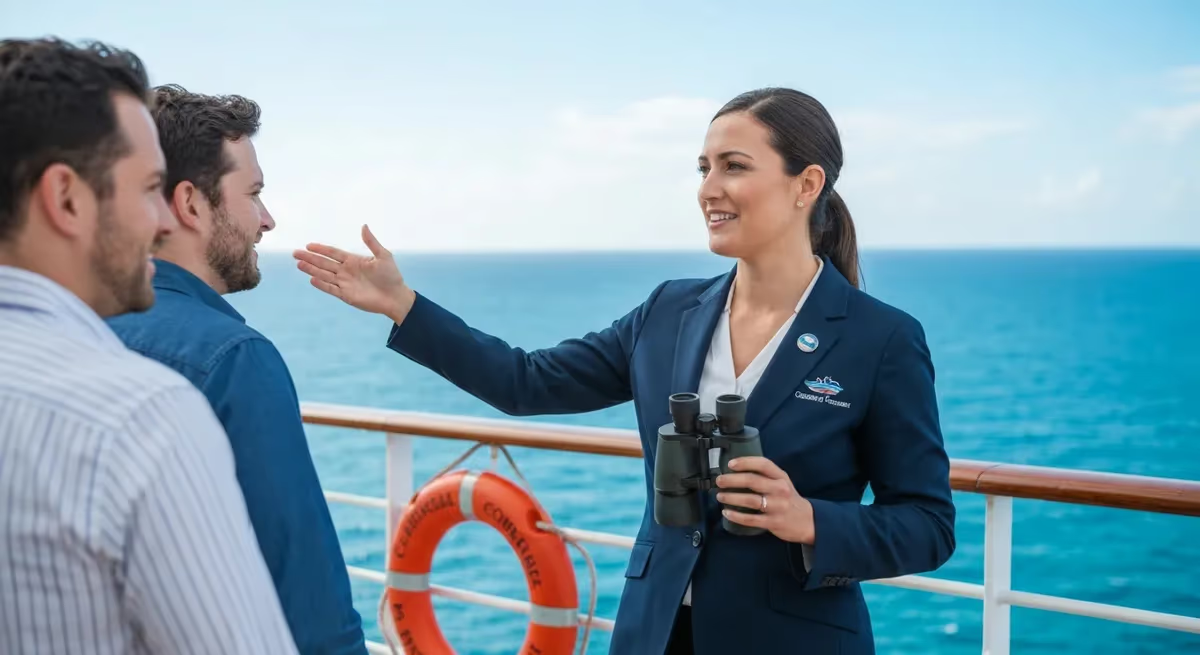
In the travel and tourism industry, the cruise sector is unique and requires specialized knowledge to help clients navigate a range of vacation options. A CCC (Certified Cruise Counselor) designation is offered by the Cruise Lines International Association (CLIA) to recognize professionals who have expertise in cruise planning, industry knowledge, and client service. Earning this certification sets you apart as a cruise travel expert, opening doors to career growth within a popular, dynamic field.
This guide covers the basics of becoming a CCC, including certification requirements, job roles, and tips for preparing for the CCC exam.
Students preparing for standardized admissions tests should also practice with our CCC practice test 2026, covering the quantitative, verbal, and analytical sections tested in the real exam.

Key Takeaways
In-depth Industry Knowledge: The CCC certification enhances understanding of the cruise industry, allowing you to provide better recommendations to clients.
Career Flexibility: Certified Cruise Counselors can work in various roles, from travel agencies to onboard positions, offering opportunities in both sales and client services.
Enhanced Client Trust: Clients are more likely to trust a certified professional with their vacation planning, knowing they are receiving knowledgeable advice.
What is a Cruise Counselor?
A Cruise Counselor is a travel professional specializing in cruise vacations. These experts help clients understand their options, from choosing the right cruise line and destination to making informed decisions on onboard amenities, excursions, and travel logistics. With in-depth knowledge of the cruise industry, cruise counselors provide personalized recommendations to ensure clients have memorable, well-planned vacations.
Responsibilities of a cruise counselor include:
- Advising Clients: Helping clients select the best cruise options based on their interests, budget, and travel goals.
- Booking and Arrangements: Coordinating reservations, accommodations, and travel logistics for seamless client experiences.
- Staying Informed on Trends: Keeping up-to-date with new ships, itineraries, safety protocols, and market trends in the cruise industry.
- Handling Inquiries and Issues: Addressing any questions or concerns clients may have before, during, and after their cruises.
As a Certified Cruise Counselor, you provide a valuable service, acting as both an advisor and advocate for your clients throughout their vacation journey.
General Study Tips
What's the best study strategy for General?
Focus on weak areas first. Use practice tests to identify gaps, then study those topics intensively.
How far in advance should I start studying?
Most successful candidates begin 4-8 weeks before the exam. Create a structured study schedule.
Should I retake practice tests?
Yes! Take each practice test 2-3 times. Focus on understanding why answers are correct, not memorizing.
What should I do on exam day?
Arrive 30 min early, bring required ID, read questions carefully, flag difficult ones, and review before submitting.
- ✓Confirm your exam appointment and location
- ✓Bring required identification documents
- ✓Arrive 30 minutes early to check in
- ✓Read each question carefully before answering
- ✓Flag difficult questions and return to them later
- ✓Manage your time — don't spend too long on one question
- ✓Review flagged questions before submitting
Cruise Ship Counselor Jobs
Cruise ship counselor jobs are ideal for individuals passionate about travel and client services. While many CCC-certified counselors work independently or with travel agencies, some also work onboard cruise ships in hospitality and guest services. Common roles for certified cruise counselors include:
Travel Advisor for Cruise Agencies: Counselors working in travel agencies provide expert advice on cruise packages and destinations, often specializing in specific regions or cruise lines.
Onboard Cruise Host: Some cruise counselors take on roles onboard as guest relations representatives, guiding guests through available amenities and excursions.
Independent Cruise Consultant: Working as an independent cruise consultant allows flexibility in meeting clients remotely and focusing on cruise-related travel planning full-time or part-time.
Corporate Travel Manager: Corporations may hire certified cruise counselors to organize employee or client retreats, leveraging cruise vacations as unique team-building or incentive options.
Whether onboard or from an office, cruise counselors enjoy a rewarding career helping clients plan vacations tailored to their needs and preferences.
Cruise Certification Requirements
Becoming a Certified Cruise Counselor requires a mix of practical experience, coursework, and exams. Here’s an overview of the CLIA certification requirements for the CCC designation:
Experience Requirement:
- Many candidates need experience in travel planning, especially in the cruise industry. CLIA requires candidates to complete a set number of cruise bookings or sales to qualify.
CLIA Coursework:
- Certification requires candidates to complete specific CLIA training courses on topics like cruise sales, destinations, and travel planning.
- Topics range from introductory industry knowledge to more advanced topics in client management and sales strategy.
Certification Exam:
- Candidates must pass the CLIA’s CCC exam, testing their understanding of industry standards, cruise products, and client service techniques.
Continued Education and Renewal:
- Certification is not a one-time event; certified counselors need ongoing education to stay up-to-date with new trends and offerings.
- CLIA provides additional training opportunities for recertification, encouraging cruise counselors to stay engaged and informed about the industry.
These requirements ensure that CCCs are equipped to provide the highest level of cruise travel expertise.
Cruise Ship Certification
Understanding cruise ship certification is essential for a CCC, as it involves knowledge of regulatory standards, safety measures, and operational excellence that differentiate one cruise line from another. Certifications for cruise ships cover areas such as:
- Safety Protocols: Ensuring ships adhere to safety standards, including lifeboat drills, emergency response plans, and crew training.
- Environmental Standards: Some certifications highlight a cruise line’s commitment to environmental sustainability through responsible waste disposal and energy conservation.
- Service Standards: Service-related certifications assess the quality of onboard experiences, including hospitality, dining, and guest services.
As a cruise counselor, having an understanding of these certifications allows you to guide clients toward cruise options that align with their values, whether they prioritize safety, environmental responsibility, or luxury.
Cruise Counselor Responsibilities
A Certified Cruise Counselor is responsible for a range of client-oriented tasks that ensure a seamless travel experience. Key responsibilities include:
Consulting with Clients: Identifying the client’s travel goals, budget, and cruise preferences.
Personalized Recommendations: Advising clients on cruise lines, destinations, stateroom options, and excursions that match their preferences.
Booking and Logistics Management: Organizing bookings, from stateroom selection to flight arrangements, for clients who require end-to-end travel assistance.
Resolving Travel Issues: Assisting with unexpected challenges, such as rebooking or canceling trips due to unforeseen events.
A CCC-certified professional combines knowledge of the cruise industry with exceptional customer service, ensuring that each client receives expert advice and support.
Conclusion
Becoming a Certified Cruise Counselor is an ideal path for anyone passionate about cruise travel and client service. The CCC certification, backed by CLIA, provides the knowledge and skills necessary to excel in the industry and opens doors to a variety of career paths. Whether working independently, with an agency, or onboard, CCCs are recognized for their expertise and commitment to delivering exceptional cruise experiences to their clients.
- +Validates your knowledge and skills objectively
- +Increases job market competitiveness
- +Provides structured learning goals
- +Networking opportunities with other certified professionals
- −Study materials can be expensive
- −Exam anxiety can affect performance
- −Requires dedicated preparation time
- −Retake fees apply if you don't pass
General Questions and Answers
About the Author

Executive Chef & Culinary Arts Certification Educator
Culinary Institute of AmericaChef Marco Bellini is a Certified Executive Chef and graduate of the Culinary Institute of America with over 20 years of professional kitchen experience in Michelin-recognized restaurants. He teaches culinary arts certification, food safety, and hospitality exam preparation, having guided thousands of culinary students through their ServSafe, ProStart, and professional chef certifications.
Join the Discussion
Connect with other students preparing for this exam. Share tips, ask questions, and get advice from people who have been there.
View discussion (5 replies)